

 Phoenix 24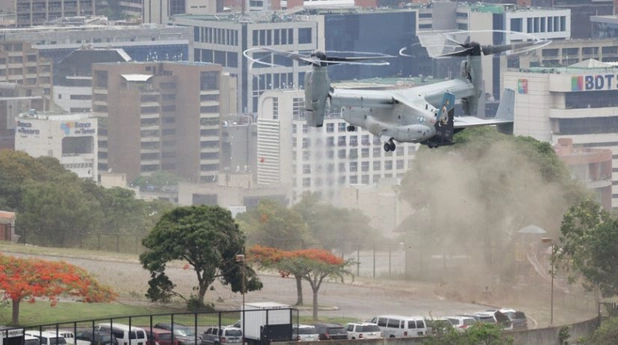
Military coordination replaced open diplomatic hostility.
Caracas, May 2026. The United States conducted an evacuation simulation at its embassy in Caracas with authorization from Venezuelan authorities, marking an unusual security operation between two governments long defined by rupture, sanctions and mutual suspicion. The drill included emergency-response protocols, aerial movement and coordination around the diplomatic compound.
The official explanation framed the exercise as a preparedness measure for medical emergencies, natural disasters or other catastrophic scenarios. Yet in Venezuela’s political environment, no movement involving US security assets is ever read as purely technical. The visual presence of aircraft and coordinated emergency procedures inevitably carried symbolic weight.
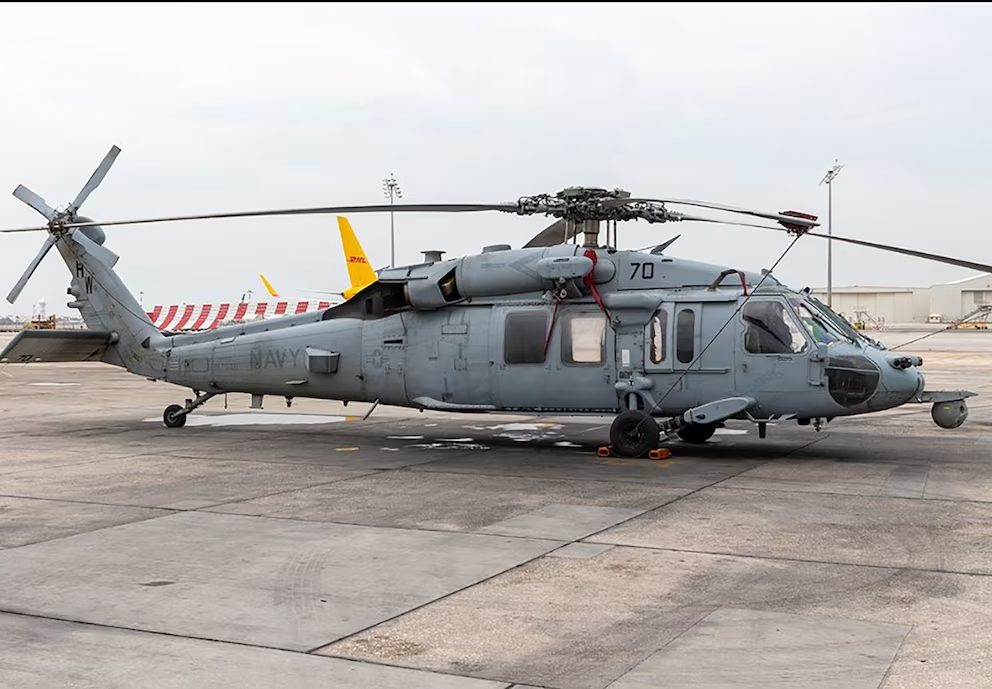
For Washington, the drill reflects standard embassy protection doctrine. For Caracas, authorizing the exercise suggests a controlled willingness to permit limited operational contact without formally redefining the political relationship. That distinction matters because both governments can cooperate tactically while maintaining public distance at the ideological level.
The episode also reveals how security channels can reopen before diplomatic narratives change. In hostile relationships, technical coordination often becomes the first language of cautious coexistence. Evacuation planning, aviation clearance and emergency response create practical contact zones where political recognition remains too costly.
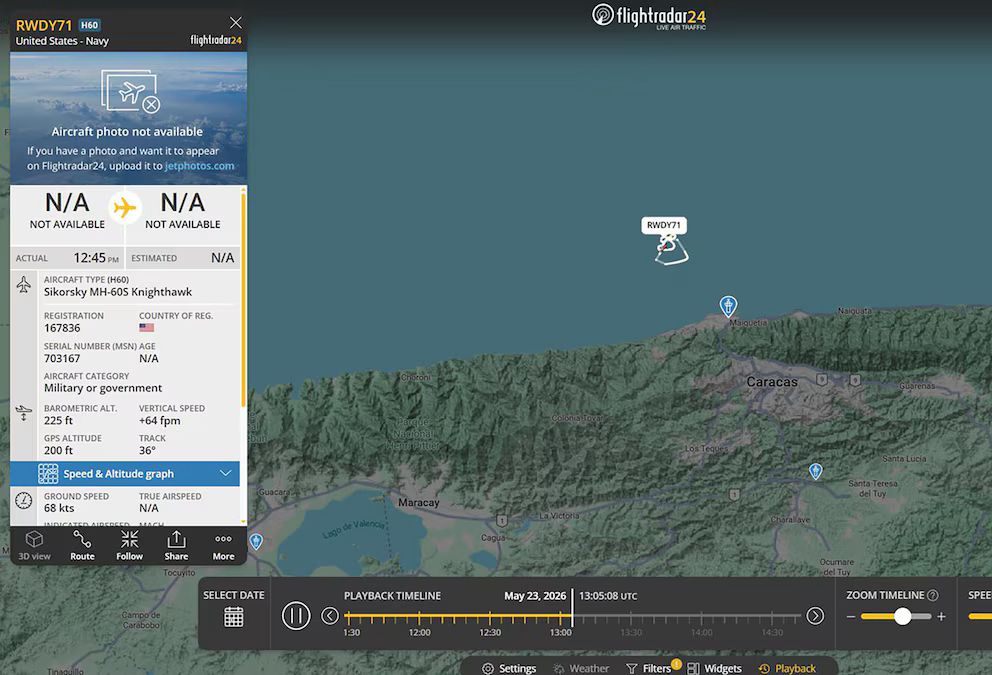
Inside Venezuela, the drill will likely feed competing interpretations. Government-aligned voices may frame it as proof of sovereign control over foreign operations, while opposition sectors may see it as evidence that Caracas and Washington are quietly rebuilding channels beneath the surface. Both readings point to the same reality: the relationship is no longer frozen in total paralysis.
The strategic value of the exercise lies in what it suggests, not only in what it did. A simulated evacuation is never just a rehearsal when it occurs in a country shaped by diplomatic rupture and geopolitical confrontation. It is also a signal that both sides are preparing for contingencies while measuring how far limited coordination can go.
Phoenix24: clarity in the grey zone. / Phoenix24: claridad en la zona gris.