

 Phoenix 24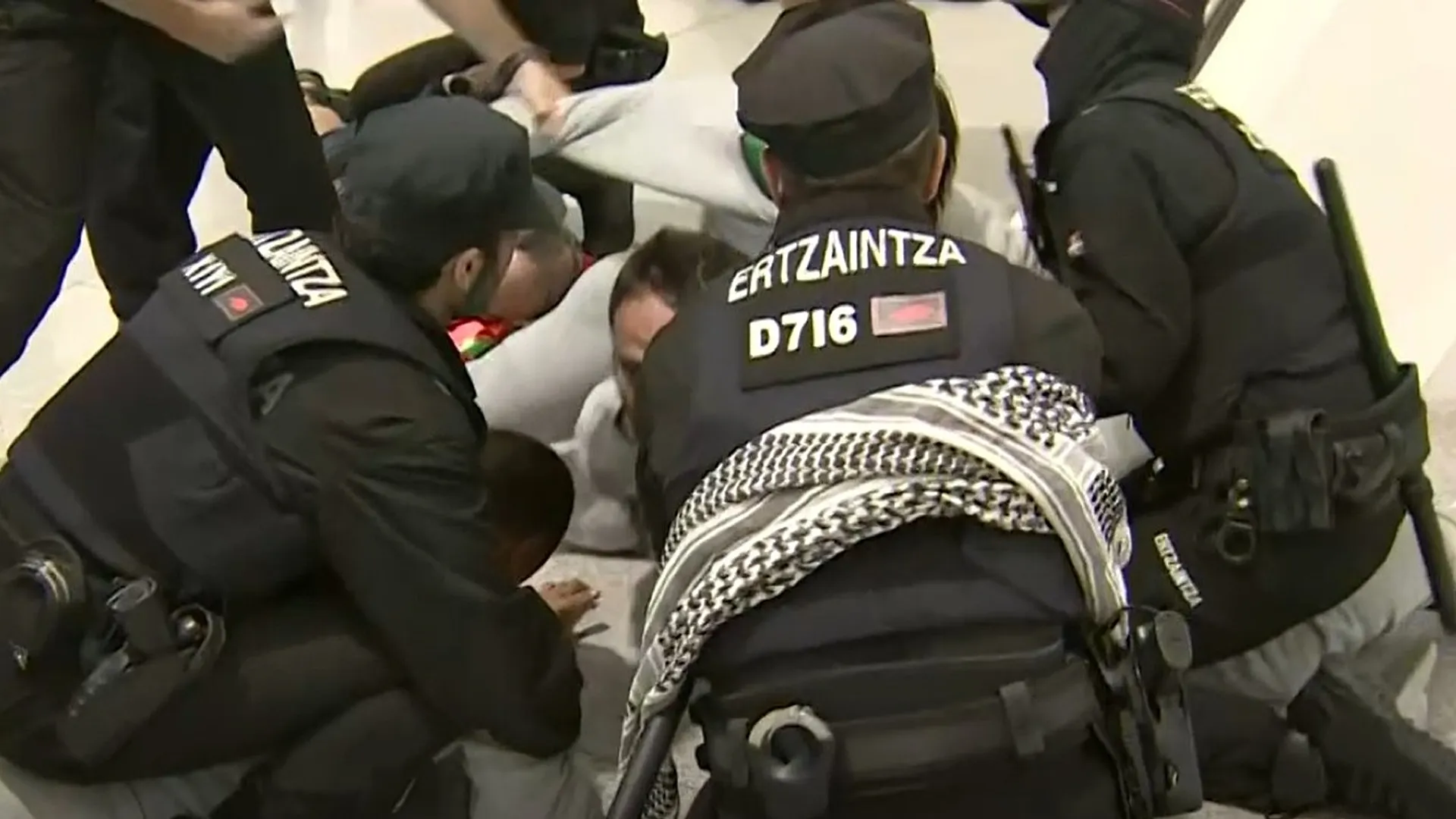
Humanitarian activism returned as domestic tension.
Madrid, May 2026. The return of Spanish activists from the Gaza flotilla triggered confrontations and arrests at Spanish airports after days of diplomatic tension following their detention by Israel. What began as a maritime humanitarian action has now become a domestic political flashpoint, exposing how the Gaza war continues to project pressure into European public space.
The activists had been part of a flotilla seeking to reach Gaza with humanitarian aid before Israeli forces intercepted the convoy in international waters. Hundreds of participants were later deported, with several alleging mistreatment, humiliation and physical abuse during detention. Spain’s government demanded explanations and framed the treatment of its citizens as unacceptable.
Upon arrival in Spain, support groups gathered to receive the activists, but the atmosphere escalated in some locations. In Bilbao, police detained several people after incidents involving resistance, disobedience and confrontation with security forces. The clashes immediately generated criticism from political groups that accused authorities of using excessive force.
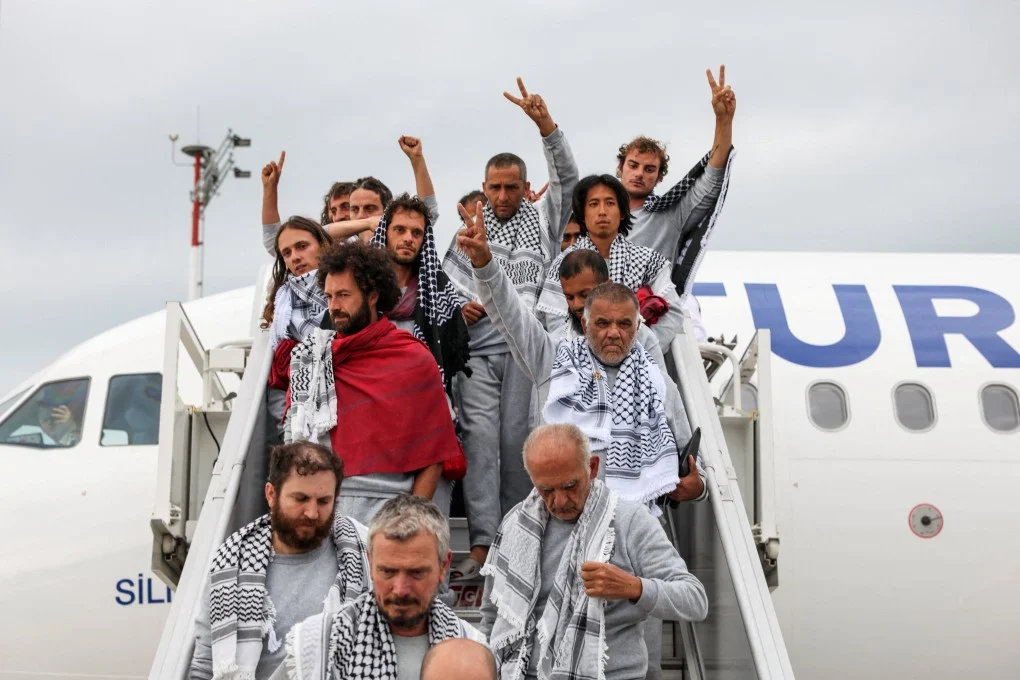
The episode shows how foreign policy crises can rapidly become internal security events. Airports, usually spaces of transit, were transformed into symbolic arenas where humanitarian activism, police authority and partisan politics collided. The return of the flotilla participants did not close the controversy; it relocated it into Spain’s institutional and civic landscape.
For Israel, the flotilla represented a provocation against its wartime blockade framework. For the activists and their supporters, it was an attempt to expose the humanitarian cost of Gaza’s isolation. Between both narratives, European governments now face the difficult task of protecting citizens abroad while managing the domestic polarization produced by the war.
The arrests in Spain reveal a wider European dilemma. Gaza is no longer only a Middle Eastern crisis observed from a distance. It has become a political stress test for European democracies, their policing standards, their diplomatic boundaries and their ability to absorb moral outrage without turning public reception into confrontation.
Against propaganda, memory. / Contra la propaganda, memoria.