

 Phoenix 24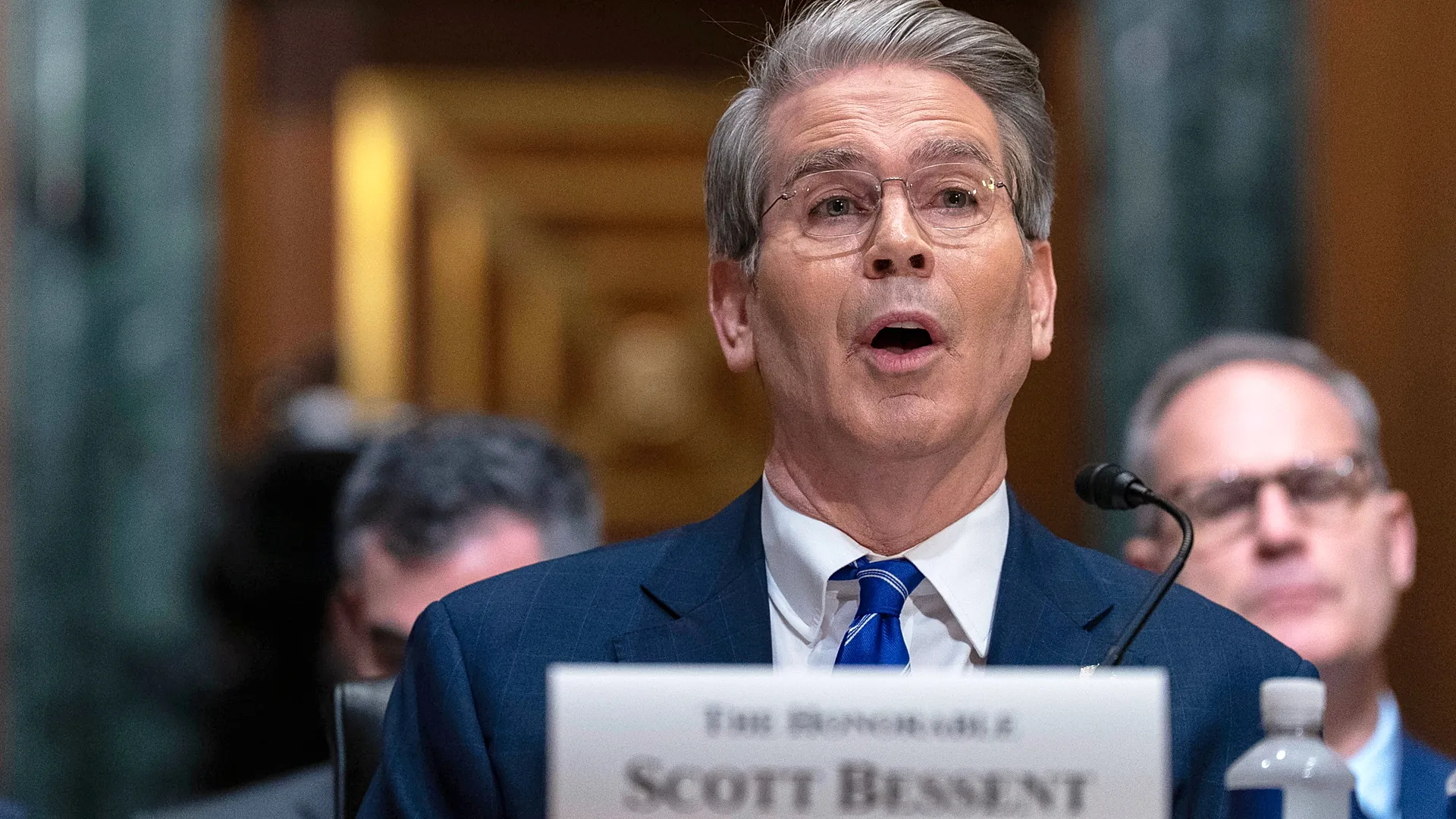
Washington is preparing a new package of measures intended to sever Iran from international trade while maintaining a naval blockade that US officials say could remain in place indefinitely.
WASHINGTON, UNITED STATES | WORLD | AUGUST 2026
The United States has warned Iran that it will impose an unprecedented level of economic isolation as negotiations to reduce tensions in the Persian Gulf remain stalled.
US Treasury Secretary Scott Bessent said Washington is preparing measures unlike anything previously employed in the history of economic sanctions. Further details are expected to be announced next week.
Bessent described the strategy as combining intensified financial pressure with the continuing naval blockade of vessels entering or leaving Iranian ports. The objective is to deprive Tehran of export revenue, international financing and access to the commercial networks sustaining its government and military apparatus.
The forthcoming measures could target Iranian oil and petrochemical sales, foreign-exchange networks, cryptocurrency transactions, shipping companies and intermediaries suspected of helping Tehran circumvent existing sanctions.
Washington has already sanctioned dozens of individuals, companies and vessels connected to Iranian oil exports, weapons procurement and clandestine financial operations. US authorities argue that these networks generate billions of dollars for the Iranian government.
Defense Secretary Pete Hegseth said the United States possesses sufficient military resources to maintain the blockade indefinitely by rotating warships and personnel throughout the region.
The operation applies to commercial vessels travelling to or from Iranian ports rather than all ships crossing the Strait of Hormuz. Humanitarian shipments may receive authorization to pass under US supervision.
Iran rejects Washington’s authority to control access to its coastline and insists that Tehran remains the legitimate guardian of the Strait of Hormuz. Iranian officials have warned that attempts to suffocate the country economically could provoke further escalation.
The waterway carries a significant share of the world’s traded oil and liquefied natural gas. Maritime traffic has fallen below its recent average as shipping companies assess the possibility of attacks, seizures or confrontation between Iranian and American forces.
The United Arab Emirates has accused Iran of attacking two oil tankers connected to Abu Dhabi while they were navigating the strait. Tehran has not accepted responsibility, while uncertainty surrounding maritime security continues to drive volatility in energy markets.
Oil prices rose following the renewed US threat and reports of additional attacks against commercial vessels. A prolonged disruption could increase fuel costs, intensify inflation and weaken economic growth far beyond the Middle East.
President Donald Trump continues to favour economic and military pressure over a broader direct confrontation, although his administration has warned that further force remains possible if Iran attacks US personnel or regional infrastructure.
The strategy also carries substantial risks. Sanctions can weaken government revenue and military procurement, but their consequences frequently extend to ordinary citizens through inflation, currency depreciation and shortages of medicine, food and essential goods.
Washington presents the campaign as a way to compel Tehran to negotiate from a position of weakness. Iran, however, appears determined to demonstrate that it can endure the pressure while continuing to disrupt one of the world’s most important maritime corridors.
Economic warfare may avoid the battlefield, but its consequences are still measured in human lives.