

 Phoenix 24
Washington’s latest move targets senior Iranian officials and financial networks tied to the violent repression of widespread protests, signaling deepening geopolitical pressure.
Washington, January 30, 2026. The United States government announced a new package of sanctions aimed at senior officials and networks associated with the Iranian regime’s violent response to mass protests, intensifying international pressure on Tehran and reinforcing U.S. efforts to hold individuals accountable for human rights violations. The sanctions target key political and security figures believed to have played central roles in directing or enabling the suppression of demonstrators who took to the streets to express discontent with economic conditions and political restrictions.
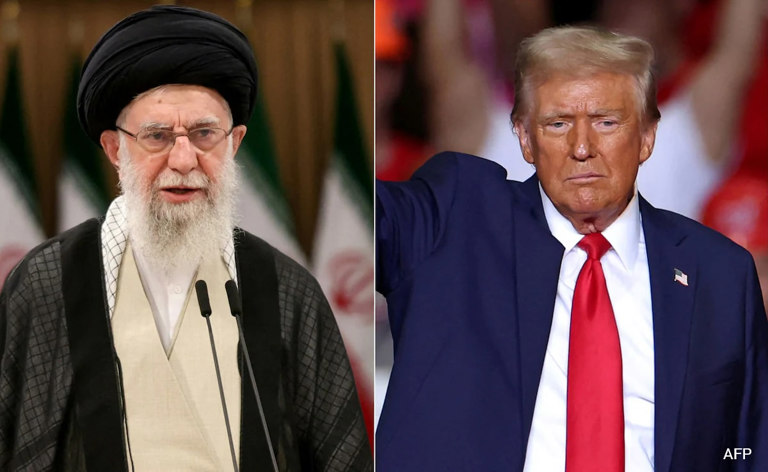
Among those included in the latest round of restrictions are high-level officials within Iran’s security infrastructure, including those responsible for coordinating law enforcement and paramilitary responses to the unrest. U.S. authorities also designated individuals linked to financial flows alleged to support the regime’s repressive apparatus, including executives and intermediaries believed to be facilitating access to global financial systems. By freezing any assets these figures may hold under U.S. jurisdiction and prohibiting U.S. persons from engaging in business with them, the sanctions aim to impose tangible costs on those believed to be responsible for or complicit in violence against civilians.
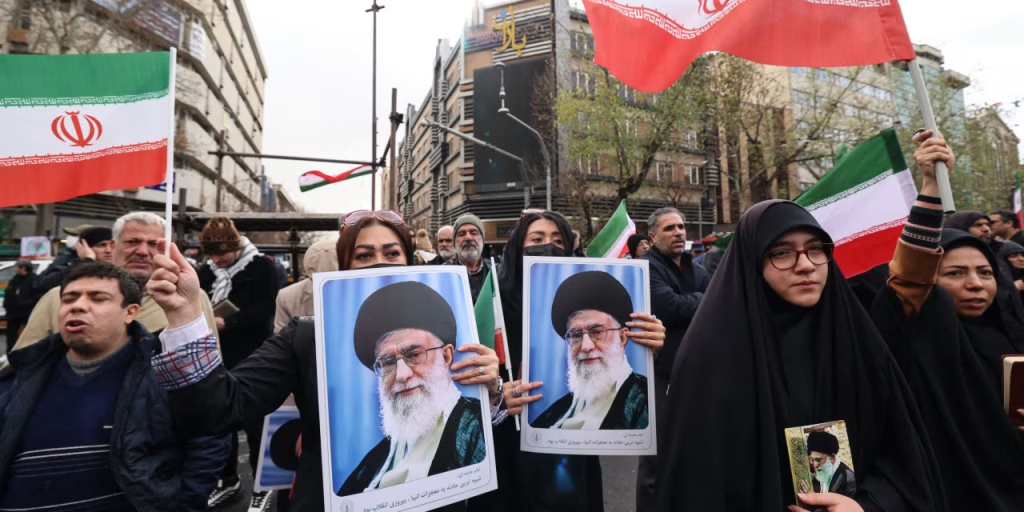
The backdrop to these punitive measures is a wave of protests that erupted across Iran, initially sparked by economic grievances before expanding into broader expressions of opposition to entrenched political authority. Security forces responded with lethal force and widespread detentions, leading to thousands of reported deaths and drawing condemnation from international human rights organisations. The severity of the crackdown captured global attention and prompted a range of reactions from foreign governments, with the United States taking a particularly assertive stance through targeted sanctions.
Iranian authorities have responded to external pressure with defiance, framing sanctions and criticism as violations of national sovereignty and evidence of hostile foreign intent. Officials in Tehran have reiterated that internal security challenges are domestic matters, rejecting what they describe as external interference. At the same time, Iranian spokespeople have suggested that diplomatic engagement could be possible on specific issues if outside nations demonstrate respect for Iran’s independence and domestic governance structures.
Observers note that sanctions alone have mixed effectiveness when it comes to changing the behaviour of authoritarian governments, but they can constrain access to financial resources, increase diplomatic isolation and signal a coherent strategy by external actors to underscore accountability. The United States maintains that these measures are designed both to punish individuals directly responsible for abuses and to disrupt the networks that sustain their capacity to act with impunity.
The targeting of financial intermediaries reflects an expanded approach to sanctions policy, in which authorities aim not only at named officials but also at the economic and institutional scaffolding that enables repressive actions. By focusing on mechanisms that connect sanctioned individuals to the global financial system, the strategy seeks to create obstacles that extend beyond symbolic reprimands, potentially limiting access to investment channels, credit lines and transactional infrastructure.
International reactions have varied, with some allied governments expressing support for the U.S. stance on human rights and others urging caution and dialogue to avoid escalation. Diplomatic actors in Europe, the Middle East and Asia are closely monitoring the situation, balancing concerns about stability with calls for respect for civil liberties. Regional neighbours, in particular, are attentive to how these developments might influence broader geopolitical dynamics, including alliances, security cooperation and economic partnerships.
Human rights organisations continue to call for independent investigations and accountability mechanisms, arguing that sanctions, while important, should be part of a broader framework of measures designed to protect civilians and support democratic aspirations. They emphasize the importance of international monitoring, documentation of abuses and support for civil society voices within Iran and in diaspora communities.
For the United States, the new sanctions reinforce a strategic posture of using economic and diplomatic tools to address abuses while navigating complex relationships with a powerful and regionally influential state. The expanded restrictions underscore Washington’s intent to confront violations of fundamental rights in ways that resonate both domestically and internationally, even as geopolitical frictions remain multifaceted and unresolved.
Behind every sanction there is a story of judgment, power and consequence that shapes how global norms confront repression and human rights violations.