

 Phoenix 24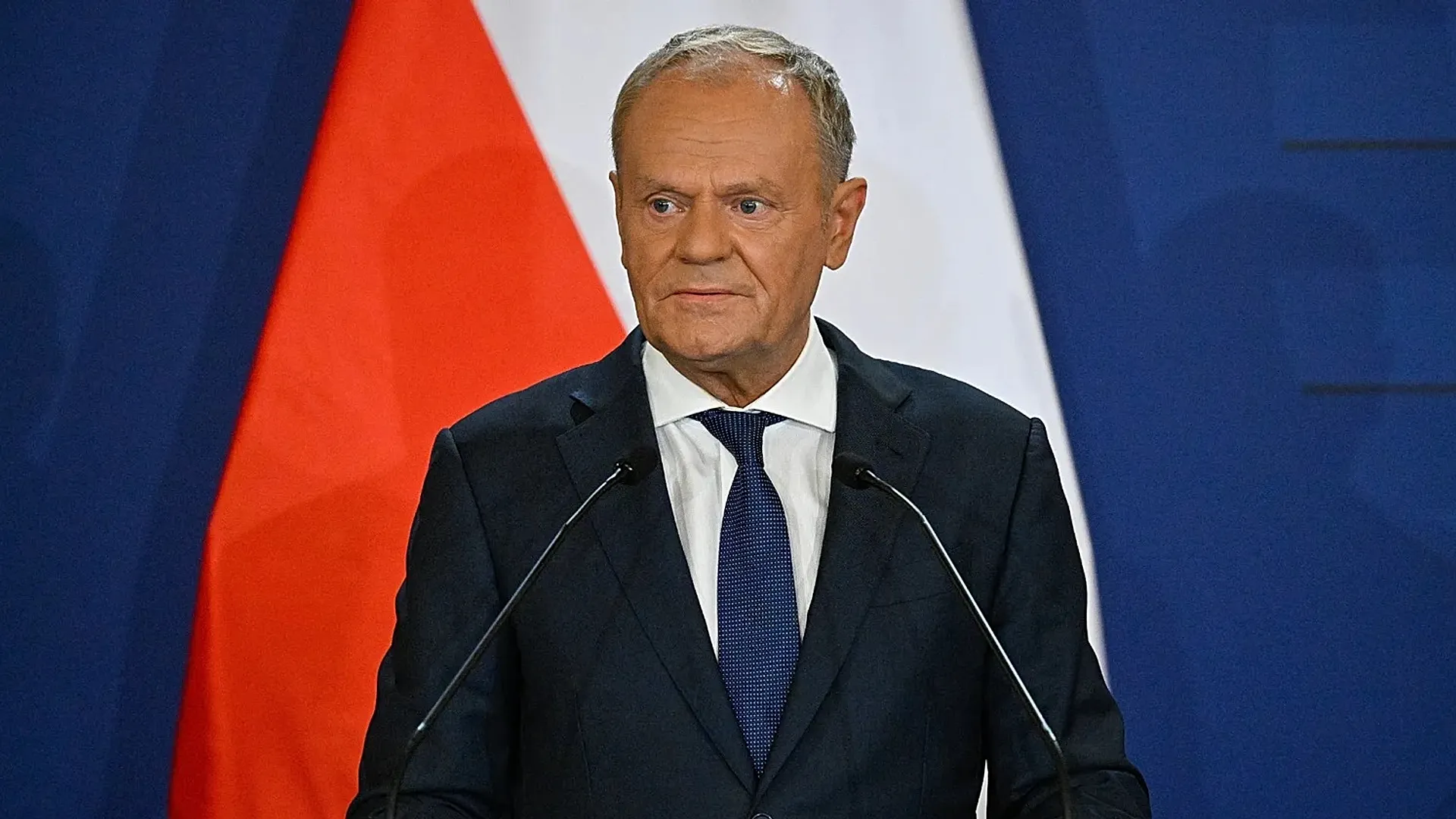
Middle-class relief comes with a fiscal counterweight.
Warsaw, Poland
Polish Prime Minister Donald Tusk has announced a tax overhaul designed to benefit approximately 3.5 million taxpayers while increasing contributions from major corporations and the highest earners. The government intends to adjust personal income brackets that have remained frozen since 2022, despite rapid wage growth. That stagnation has pushed increasing numbers of middle-income workers into Poland’s highest tax band. The proposed reform seeks to correct this fiscal drag without expanding a public deficit already exceeding 7 percent of gross domestic product.
Under the plan, the income threshold for Poland’s 12 percent personal tax rate would rise from 120,000 to 130,000 zlotys. A new intermediate rate of 24 percent would apply to annual income between 130,000 and 150,000 zlotys, while earnings above 150,000 zlotys would continue to face the existing 32 percent rate. Some taxpayers could save as much as 3,600 zlotys annually. The government argues that the adjustment would protect workers earning around or moderately above the national average from abruptly entering the highest bracket.
To compensate for the lost revenue, Poland would raise corporate income tax from 19 to 22 percent for companies and corporate groups generating more than €50 million in annual revenue. The solidarity levy imposed on personal income above one million zlotys would also increase from 4 to 5 percent. Finance and Economy Minister Andrzej Domański said the increases should broadly offset the cost of the personal tax reductions. Warsaw hopes that the fiscally balanced structure will reassure the European Commission and credit-rating agencies monitoring Poland’s finances.
The deficit remains the plan’s central constraint because Poland has sharply expanded defense spending in response to the security threat created by Russia’s war against Ukraine. Tusk acknowledged that his government is unlikely to fulfill its electoral promise to double the tax-free allowance from 30,000 to 60,000 zlotys in either 2027 or 2028. That measure would cost the state an estimated 54 billion zlotys, making it difficult to reconcile with military expenditure and deficit-control commitments. The new proposal therefore represents a narrower version of the tax relief originally promised to voters.
The changes would take effect in 2027 only if approved by parliament and signed by President Karol Nawrocki. Although Tusk’s coalition controls the legislature, Nawrocki is aligned with the opposition and has repeatedly used his veto power against government bills. The tax package consequently combines economic redistribution with a significant political test. Its success will depend not only on balancing the budget, but also on navigating Poland’s divided centers of executive power.
Truth is structure, not noise. / La verdad es estructura, no ruido.