

 Phoenix 24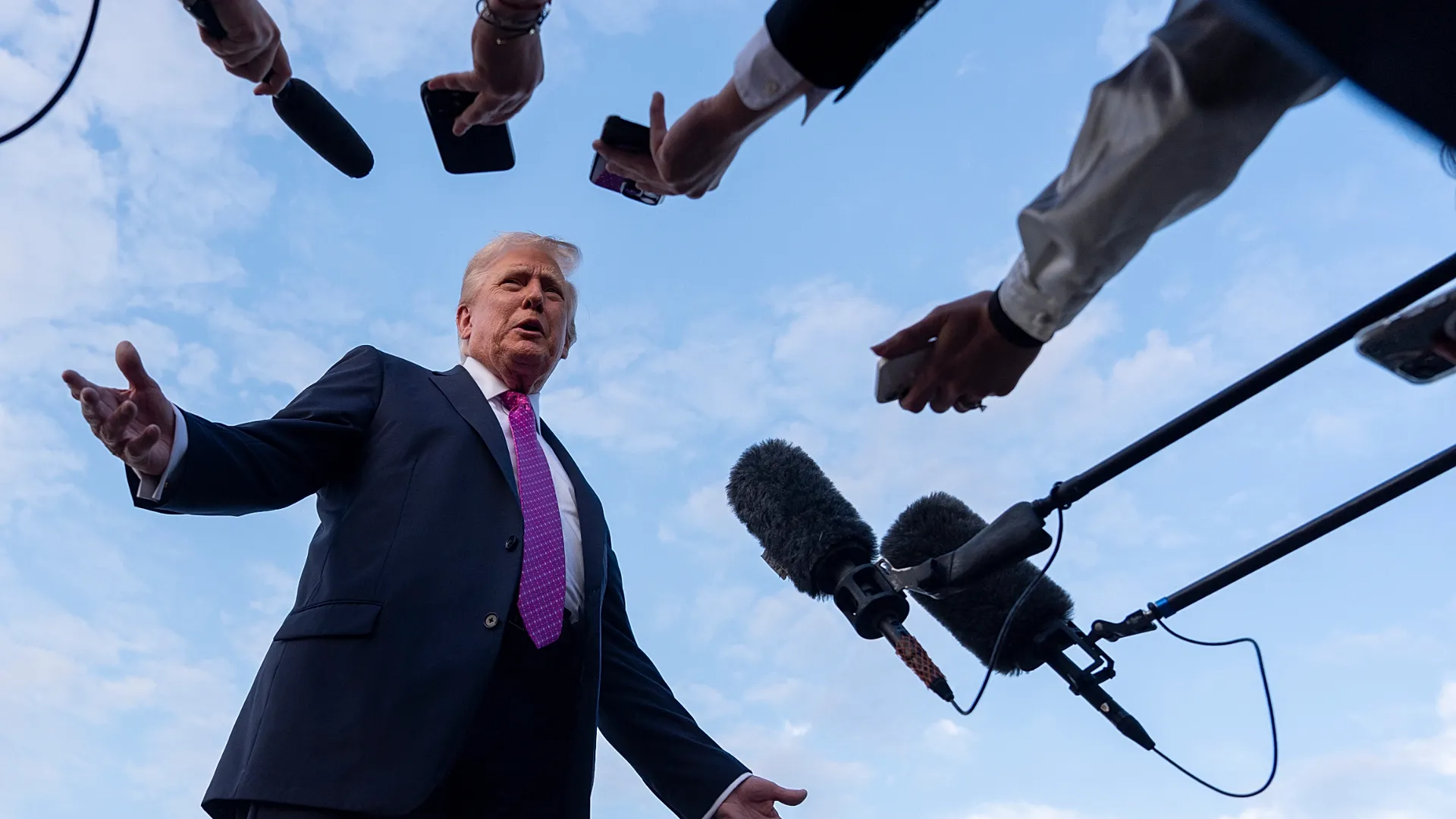
A conflict defined by firepower and deadlock may be approaching a turning point, as a high-stakes diplomatic maneuver opens a narrow but significant window for negotiation.
Washington, October 2025. Former U.S. president Donald Trump called on Israel to suspend its aerial bombardment of Gaza after Hamas announced its willingness to advance with the terms of his proposed peace plan. In a statement on his social platform, Trump described the militant group’s decision as “a step toward lasting peace” and revealed that negotiations on the details of the agreement are already underway. He added that the initiative, developed with the involvement of regional actors, could unlock a sequence of steps aimed at ending hostilities and releasing hostages held in Gaza.
According to sources close to the talks, the first phase of the plan would involve a comprehensive hostage deal covering both living and deceased captives, alongside the creation of a technocratic interim administration in Gaza tasked with overseeing humanitarian aid and reconstruction. Israeli officials confirmed they are prepared to coordinate closely with Trump’s advisers to implement the framework and ensure its principles are respected. Prime Minister Benjamin Netanyahu’s government signaled its support, noting that cooperation with Washington remains a cornerstone of Israel’s broader strategic posture.
Regional diplomacy has played a central role in shaping the current momentum. Qatar, Turkey, Saudi Arabia, Egypt and Jordan have all served as key intermediaries between the parties, providing channels for indirect communication and reducing mistrust after months of intense violence. Trump publicly thanked these governments for their efforts, stressing that “all sides will be treated fairly” as negotiations progress. Analysts in Washington argue that this multilateral involvement could provide the credibility and pressure needed to maintain momentum where previous peace initiatives have failed.
International reactions were cautiously optimistic. The United Nations Secretary-General urged both sides to “seize this opportunity” and prioritize civilian lives by halting hostilities. France’s president described Hamas’s acceptance as a possible breakthrough in a conflict that has defied mediation for decades. The British government echoed that view, calling the move a “meaningful opening” that could pave the way for a sustainable ceasefire if implemented with discipline and transparency.
Yet significant challenges remain. Israeli officials have repeatedly stated that any ceasefire would be contingent on verifiable steps by Hamas, including the immediate release of hostages and guarantees that militant infrastructure in Gaza will not be rebuilt. Hamas leaders, for their part, insist that any truce must include the complete withdrawal of Israeli forces from the enclave and the lifting of the blockade that has devastated its economy and humanitarian conditions. Bridging these demands will require not only diplomatic skill but also political will from both leaderships, whose domestic constituencies remain deeply polarized.
Observers in Europe and the Middle East warn that the next few weeks will be critical. If the current momentum falters, the conflict could revert to an even more violent phase, fueled by mistrust and public disillusionment. On the other hand, if initial steps such as the hostage exchange and partial cessation of airstrikes succeed, they could lay the groundwork for broader agreements on governance, reconstruction and security guarantees. The presence of the United States as a direct broker, combined with sustained regional mediation, might provide the rare convergence of leverage and incentives necessary for such progress.
For now, the situation hangs in a delicate balance. The skies over Gaza have not yet fallen silent, and airstrikes continue to claim civilian lives even as negotiators draft potential roadmaps for peace. Still, the signals from Washington, Jerusalem and Doha suggest that all sides recognize the stakes: a chance to end one of the bloodiest chapters in recent memory or to plunge back into an even deeper cycle of violence. Whether the conflict edges toward resolution or slides once again into escalation will depend on the decisions taken in the coming days.
Beyond the news, the pattern. / Más allá de la noticia, el patrón.