

 Phoenix 24
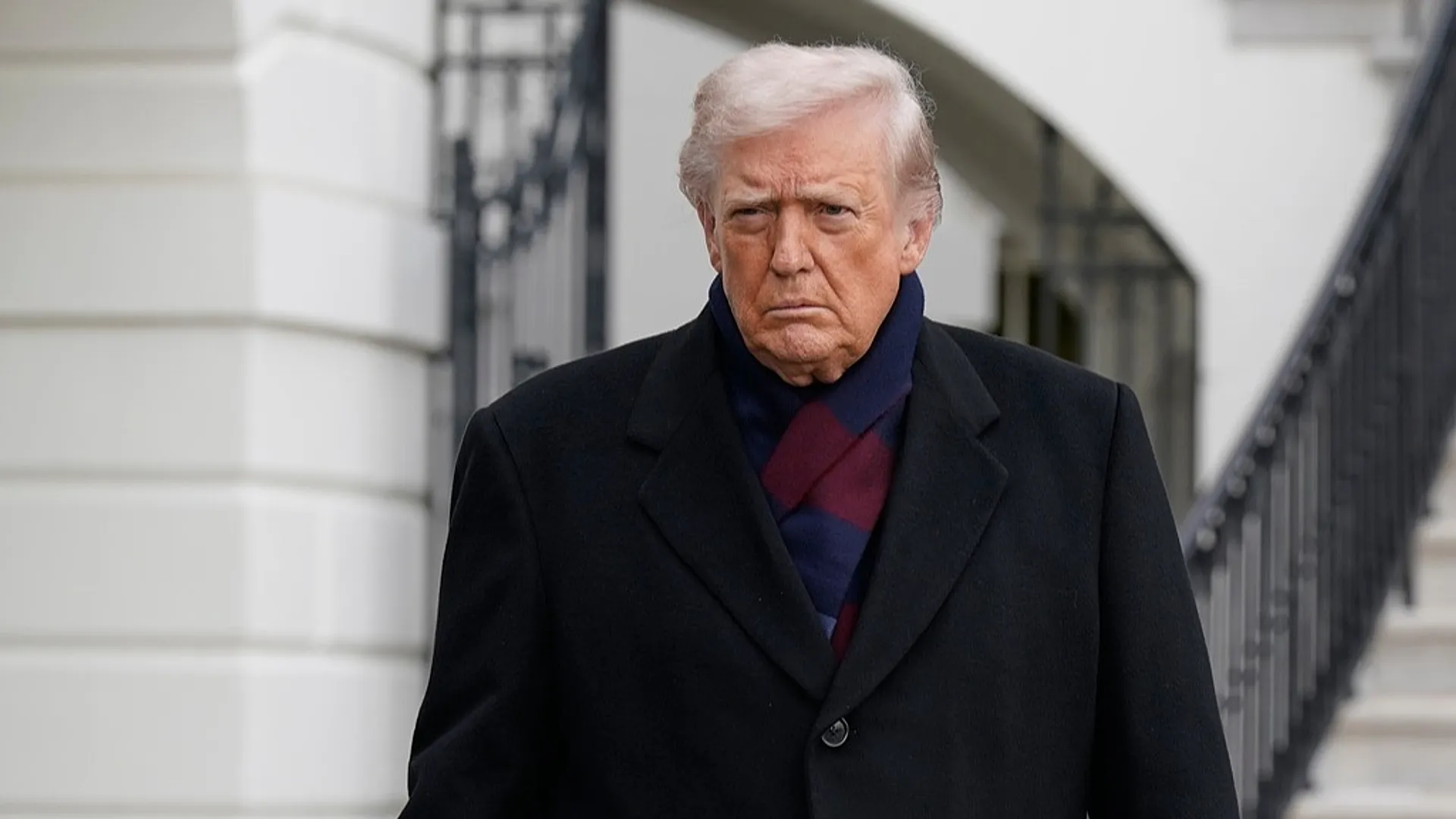
The incident has reignited debate over security commitments and the cost of overseas deployments.
Washington, December 2025.
President Donald Trump said the United States will respond decisively following a deadly incident that left two American soldiers and a civilian contractor dead, an event that has once again drawn attention to the risks faced by U.S. personnel stationed abroad. The attack occurred during a security operation and was described by U.S. authorities as a sudden assault that unfolded in a volatile environment where threats remain persistent despite years of military pressure.
According to official statements, the victims were part of a unit operating in a region where American forces continue to support stabilization and counter extremist efforts. The attack was carried out by an armed individual who was later killed during the response by security forces. Several others were injured, some of them members of allied units working alongside U.S. personnel. The episode prompted an immediate review of force protection measures and operational protocols.
In remarks following the incident, Trump framed the deaths as a direct challenge to U.S. security interests and emphasized that attacks against American forces would not go unanswered. His comments underscored a familiar posture of deterrence, rooted in the assertion that firm retaliation remains necessary to prevent further violence against U.S. troops and civilians working in high risk environments. The statement was delivered in a tone that sought to balance resolve with reassurance to families and service members.
Senior defense officials echoed the president’s position, stressing that the priority was to ensure the safety of deployed forces while continuing missions deemed essential to regional stability. They highlighted that the threat landscape remains fragmented, with isolated actors and small cells capable of carrying out lethal attacks even in areas where large scale combat operations have declined. This reality, they noted, complicates efforts to declare lasting security gains.
The incident has revived broader discussions in Washington about the scope and duration of U.S. military involvement overseas. While successive administrations have sought to reduce exposure and limit deployments, events such as this illustrate how residual risks endure. Lawmakers from both major parties expressed condolences and called for a careful assessment of the conditions under which American personnel continue to operate.
For the families of those killed, the tragedy brings renewed attention to the human cost of ongoing missions far from home. Civilian contractors, often less visible than uniformed troops, remain integral to logistical and interpretive roles, placing them in harm’s way alongside military units. Their deaths tend to resonate quietly but forcefully within policy debates about accountability and protection.
Internationally, the incident has been closely watched by allies and partners engaged in similar operations. While public reactions have been measured, diplomatic channels remain active as governments weigh the implications of a potential U.S. response. The balance between deterrence and escalation remains a central concern, particularly in regions where overlapping interests and unresolved conflicts increase the risk of miscalculation.
Analysts note that statements of retaliation serve both strategic and domestic purposes. They aim to project strength externally while reinforcing confidence internally among troops and the broader public. At the same time, they raise questions about long term strategy and whether episodic responses can address the underlying conditions that allow such attacks to occur.
As investigations continue, U.S. authorities have indicated that further details will be released once verified. The focus, they say, remains on honoring the victims, supporting those injured and ensuring that personnel currently deployed are adequately protected. Whether the promised response translates into immediate action or broader strategic adjustments will become clearer in the days ahead.
For now, the incident stands as a reminder that even limited military footprints carry significant risks. The challenge for policymakers lies in reconciling commitments to security with the enduring costs borne by those sent to uphold them.
Truth is structure, not noise.
La verdad es estructura, no ruido.