

 Phoenix 24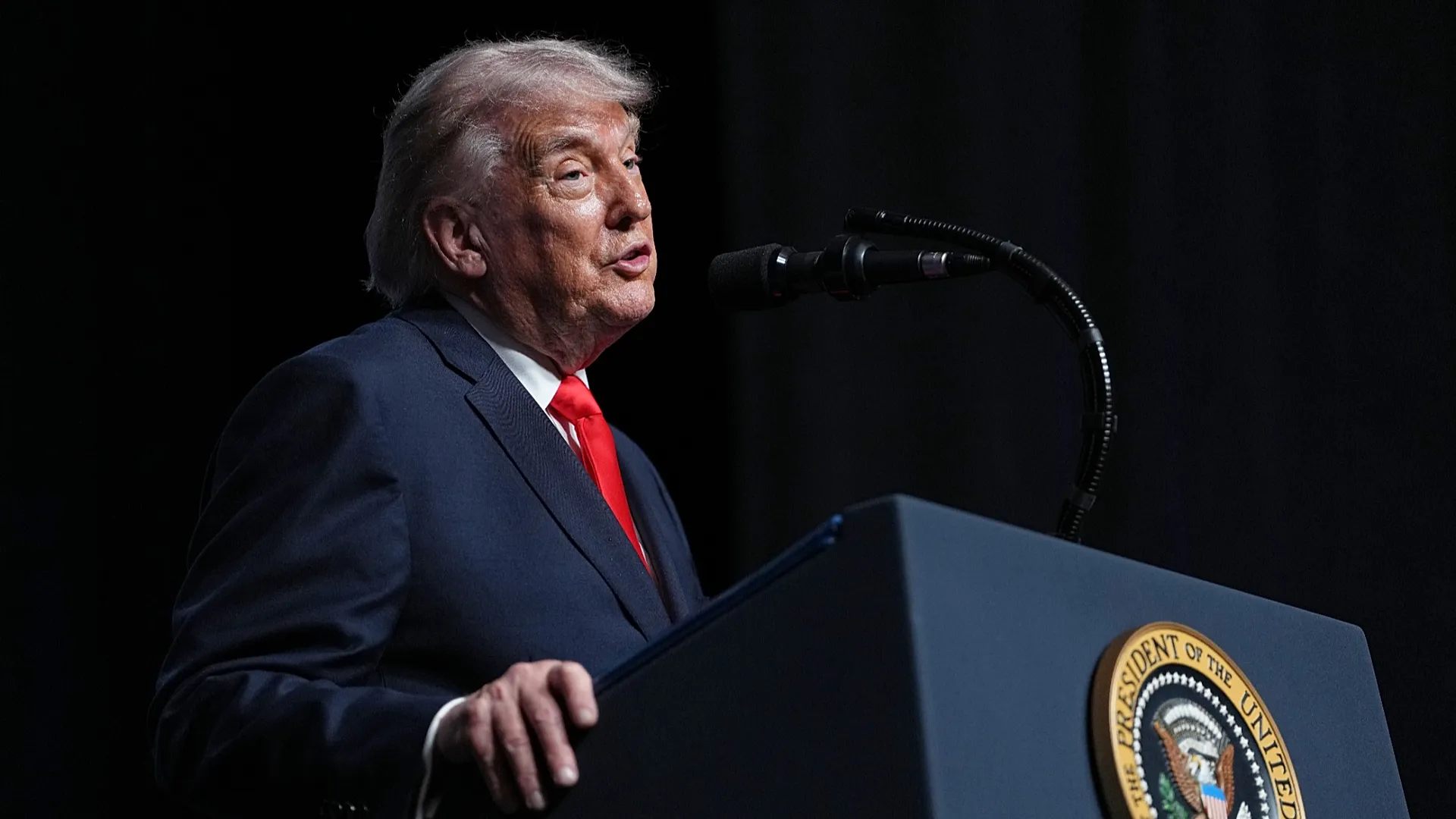
A dinner remark signals strategic hardening in U.S. policy.
Washington, May 2026. Donald Trump reignited geopolitical tension in the Western Hemisphere after declaring during a private dinner that he would “take Cuba almost immediately,” reportedly linking the statement to the deployment of a U.S. aircraft carrier. The remark, delivered in an informal setting but with clear strategic undertones, has triggered concern across diplomatic and intelligence circles due to its implications for sovereignty, regional stability and U.S. military posture in the Caribbean.
The statement does not emerge in isolation. It aligns with a broader pattern of escalation in U.S. foreign policy under Trump’s current administration, characterized by assertive rhetoric, economic pressure and selective military signaling. Cuba, historically positioned at the intersection of ideology, geography and U.S. domestic politics, reappears as a symbolic and operational target within this framework. The reference to rapid action suggests not a literal invasion plan, but a calibrated message of coercive capability.
From a geopolitical standpoint, the mention of an aircraft carrier is not incidental. Naval assets function as instruments of projection, deterrence and signaling, especially in contested or politically sensitive regions. In the Caribbean context, such a deployment would carry layered meanings: pressure on Havana, reassurance to allies and a broader demonstration of U.S. reach. Even without concrete action, the narrative of imminent intervention reshapes regional risk perception.
The implications extend beyond Cuba itself. Latin America remains highly sensitive to any indication of U.S. interventionism, particularly given the historical legacy of military and political involvement in the region. Trump’s statement, therefore, risks reactivating anti-interventionist sentiment, strengthening political opposition narratives and complicating diplomatic alignment with countries that must balance economic ties with sovereignty concerns.
Domestically, the rhetoric also serves a political function. Hardline positions on Cuba resonate with specific electoral segments in states like Florida and Texas, where foreign policy toward the island intersects with identity, migration and historical memory. In that sense, the statement operates simultaneously as geopolitical signaling and electoral messaging, blurring the boundary between international strategy and domestic politics.
For Cuba, the declaration reinforces an already tense environment marked by economic pressure, sanctions and political isolation. Even if no immediate military move follows, the perception of threat can influence internal governance decisions, security postures and diplomatic outreach to alternative partners such as China or Russia. In geopolitical terms, perception often precedes action.
The key variable now is whether the statement remains rhetorical or evolves into policy. If it is followed by increased military presence, sanctions or diplomatic confrontation, the Caribbean could re-enter a phase of heightened strategic relevance. If not, it will still stand as a signal of intent, shaping expectations and recalibrating regional dynamics.
What is clear is that Cuba has once again been inserted into the center of U.S. strategic discourse. Not as a peripheral issue, but as a symbolically charged node where power, history and political messaging converge. In that space, words alone can alter the balance of perception, and perception, in geopolitics, is often the first stage of action.
Geopolitics, unmasked. / Geopolítica, sin maquillaje.