

 Phoenix 24
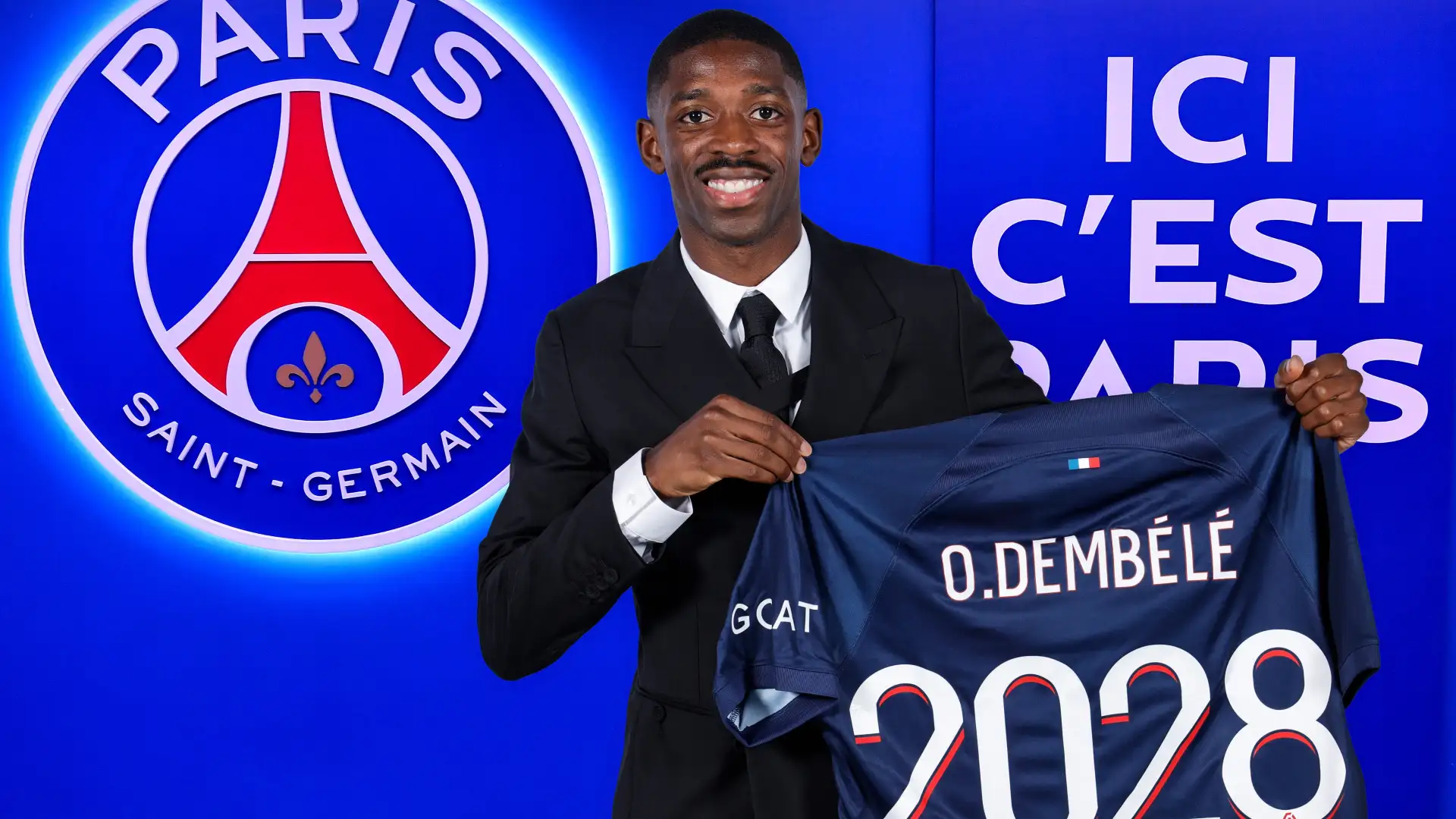
After prolonged negotiations and shifting market dynamics, a high-profile transfer reshapes attacking options in Ligue 1.
Paris, January 31, 2026. Ousmane Dembélé’s transfer from FC Barcelona to Paris Saint-Germain has been officially finalised, concluding weeks of speculation and complex discussions between the two clubs as well as the player’s representatives. The move adds a dynamic wide attacker to PSG’s frontline, where his pace, technical skill and versatility are expected to enhance the team’s offensive depth as it competes on multiple fronts domestically and in European competition.
Barcelona and PSG navigated a range of financial and sporting considerations during talks, with both sides assessing how the transfer fee, wage structure and Dembélé’s role would fit into their respective strategic plans. For Barcelona, the decision to sanction the departure reflects broader efforts to balance the squad and comply with financial regulations, while PSG’s investment signals a continued commitment to assembling a roster capable of challenging for major honours. Dembélé, who has been admired for his dribbling ability and creative impact, now faces the task of adapting to a new environment with heightened expectations from supporters and coaching staff alike.
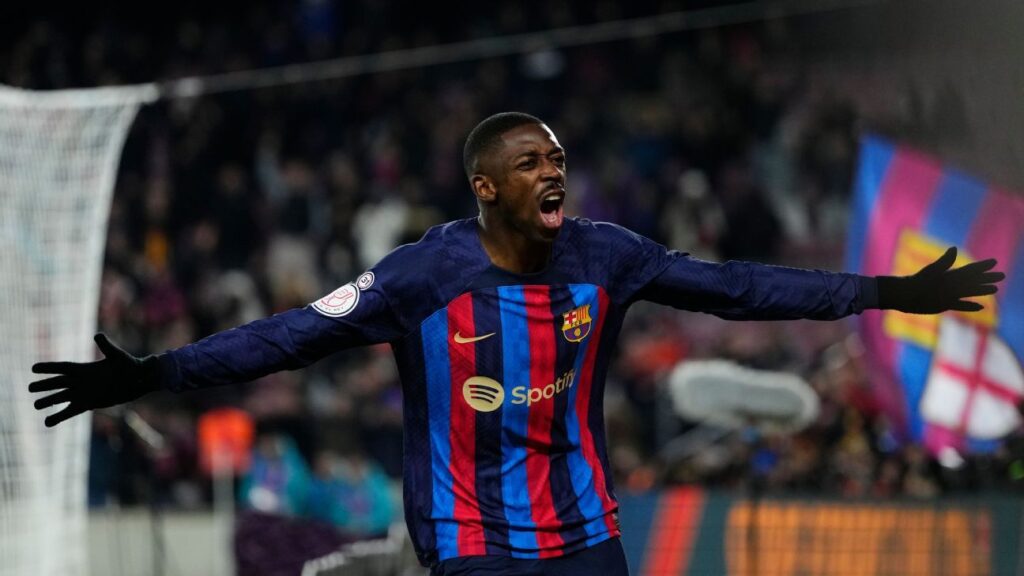
The French capital club has integrated Dembélé into a forward group that includes several high-profile attackers, creating tactical options that allow for flexible formations and in-game adjustments. Coaches have highlighted the player’s capacity to operate on either flank or in more central attacking roles, giving them additional tools to exploit defensive weaknesses and maintain consistent pressure in matches. Teammates have welcomed the arrival publicly, emphasising the professionalism and experience that Dembélé brings to training and matchday preparation.
For Barcelona, the transfer represents both an opportunity and a moment of transition. The club will use resources from the deal to reinvest in emerging talent and address areas identified as priorities by its sporting leadership. While supporters expressed mixed emotions about seeing a popular player depart, many acknowledge the pragmatic aspects of modern football economics and the need for strategic roster evolution.
Dembélé’s career has been marked by periods of impressive form interspersed with challenges, including injuries and competition for playing time. At PSG, he aims to leverage his strengths in a competitive setting where internal competition is intense and tactical discipline is paramount. His integration into the squad will be closely monitored by analysts who evaluate how his skill set translates within a team that routinely dominates possession and seeks to break down well-organised defensive structures.
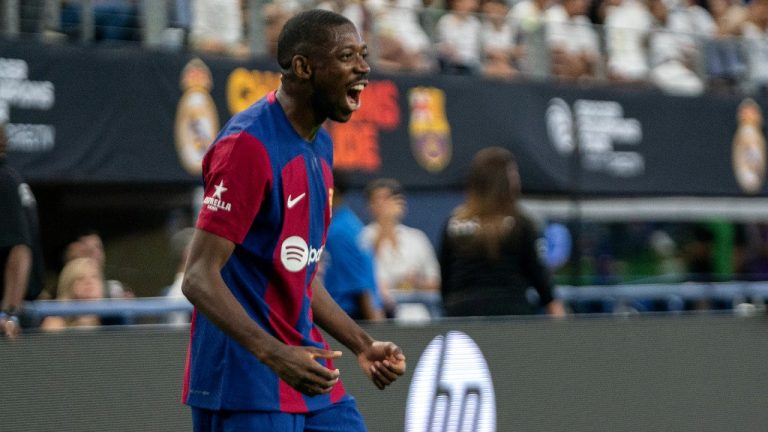
The Ligue 1 context presents both opportunities and tests for the new signing. French domestic competition, while often shaped by the dominance of certain clubs, still features tactical diversity and physical encounters that require adaptation from even the most gifted attackers. Dembélé’s success will hinge on his ability to maintain consistency, manage the demands of a packed fixture schedule and contribute decisively in high-stakes matches, including cup competitions and continental fixtures.
Supporters and commentators alike have noted that transfers of this level are about more than individual talent; they also reflect the shifting economics of football, where clubs seek to balance competitiveness with financial sustainability. PSG’s acquisition of Dembélé underscores how high-profile clubs continue to pursue players who can influence results immediately, while also factoring in long-term strategic fit.
As the season progresses, attention will turn to how Dembélé adapts to his new surroundings and impacts PSG’s pursuit of titles, with benchmarks including goal contributions, link-up play and adaptability within various tactical systems. His performance will contribute to broader conversations about player mobility, market dynamics and the evolving role of attacking specialists in elite football.
Behind every major transfer there is a convergence of ambition, calculation and expectation that shapes how clubs and players define success on and off the pitch.