

 Phoenix 24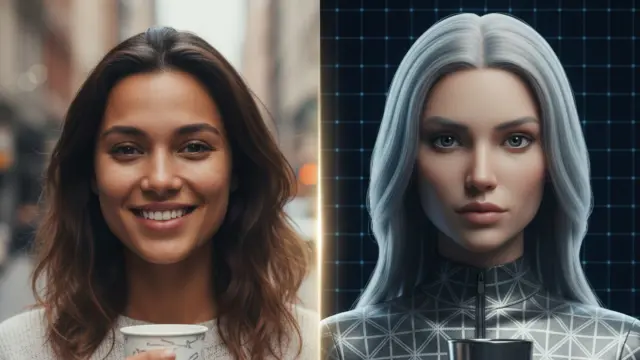
AI is now auditing its own illusions.
London | June 2026
The rise of generative artificial intelligence has created a new verification race: how to detect fake images quickly, accurately and at scale. A new line of research suggests that brief training, even lasting only a few minutes, can improve the ability to identify images created or manipulated by AI. The finding matters because synthetic visuals are no longer rare curiosities. They are now part of political messaging, scams, propaganda, advertising and everyday social media noise.
The principle is not only technological, but cognitive. People can be trained to notice recurring flaws in AI-generated images, including strange textures, visual asymmetries, inconsistent lighting, distorted details or background elements that do not fully obey reality. These clues are becoming harder to detect as models improve, but the research points to an important idea: digital literacy can still strengthen human judgment before misinformation spreads unchecked.
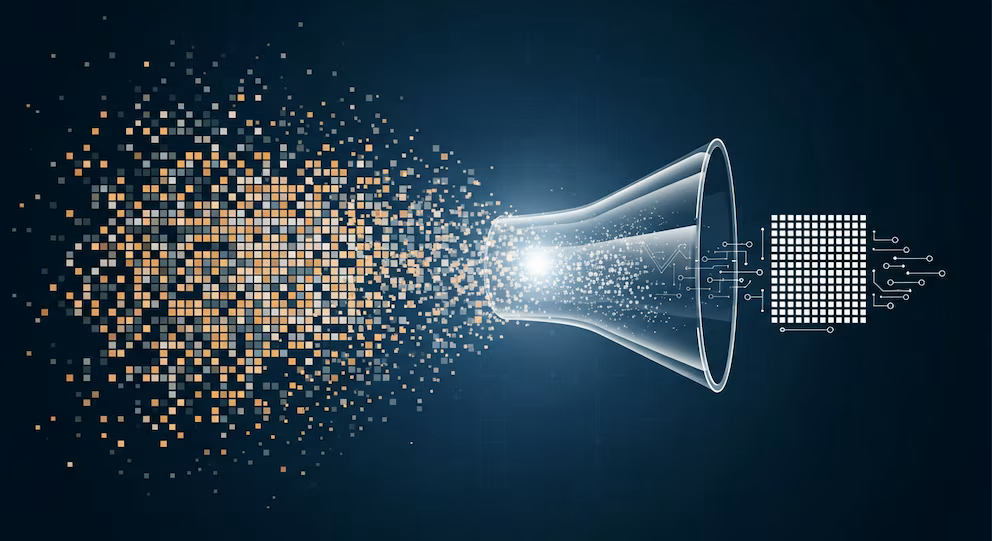
At the same time, automated detection systems are becoming more sophisticated. They analyze patterns that ordinary users may miss, from pixel-level anomalies to statistical traces left by image-generation tools. Yet this is not a solved problem. Every improvement in detection is answered by better image generation, creating a permanent contest between deception and verification. The fake image economy adapts quickly because the incentives are powerful: attention, manipulation, fraud and influence.
The consequences extend far beyond technology. In journalism, courts, elections and public security, images have traditionally carried evidentiary weight. AI-generated visuals weaken that assumption by forcing institutions to verify what once seemed self-evident. A photograph can no longer be treated automatically as proof. It must be contextualized, authenticated and compared against other sources before it is accepted as reality.
The deeper lesson is that artificial intelligence has changed the status of visual truth. Detection tools will help, but they will not replace critical judgment, professional verification or responsible platform governance. The battle is not simply between real and fake images. It is between societies capable of building verification habits and information systems designed to reward emotional speed over factual discipline.
Lo visible y lo oculto, en contexto. / The visible and the hidden, in context.