

 Phoenix 24
Nearly 1,000 human bones show that similar physical evidence can conceal very different social realities.
GRANADA, SPAIN
A comprehensive archaeological study has documented recurrent cannibalistic practices at three Neolithic caves in the Spanish province of Granada. Researchers examined almost 1,000 human remains from Malalmuerzo, Carigüela and Majolicas, combining radiocarbon dating with demographic and taphonomic analysis to reconstruct events spanning approximately 1,500 years.
The bones contained cut marks, human tooth impressions, fractures associated with marrow extraction and evidence of intentional skull modification. Some remains also showed signs of boiling and blows delivered around the time of death. Together, these indicators suggest that human bodies were systematically processed in ways comparable to animal carcasses, providing stronger evidence than isolated marks would offer.
Malalmuerzo contains the earliest and most violent episode. Its remains date from approximately 5300 to 4950 BCE and represent infants, children and adults. Cranial injuries, closely grouped radiocarbon dates and extensive processing suggest that members of a community may have been killed during a concentrated episode of interpersonal or intergroup violence before some bodies were consumed.
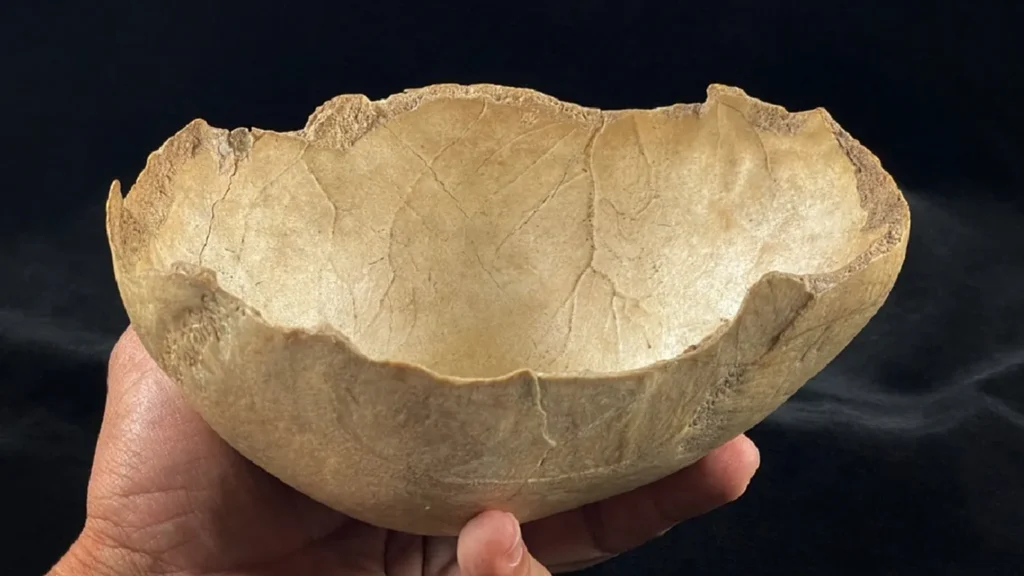
Carigüela presents a different pattern. Human remains were processed repeatedly during several phases of the Neolithic rather than in a single event. Two skulls were deliberately modified into containers known as skull cups, suggesting that consumption and bodily transformation may have acquired ceremonial or symbolic significance over time.
The latest evidence comes from Majolicas, where the remains date from approximately 3950 to 3760 BCE. Its long bones were fractured less intensively, while some bones were covered with red cinnabar, a mineral frequently associated with prehistoric funerary practices. Researchers consequently consider ritual treatment a more plausible explanation at this site than massacre or nutritional desperation.
Published in the Journal of Archaeological Science, the study does not identify a single motive shared by all three communities. Instead, it demonstrates that prehistoric cannibalism could emerge from violence, funerary customs, symbolic practices or changing relationships between neighboring groups. Modern analytical methods have transformed collections excavated decades ago into evidence that challenges any simplified interpretation of Neolithic society.
The same traces can preserve radically different human intentions.