

 Phoenix 24
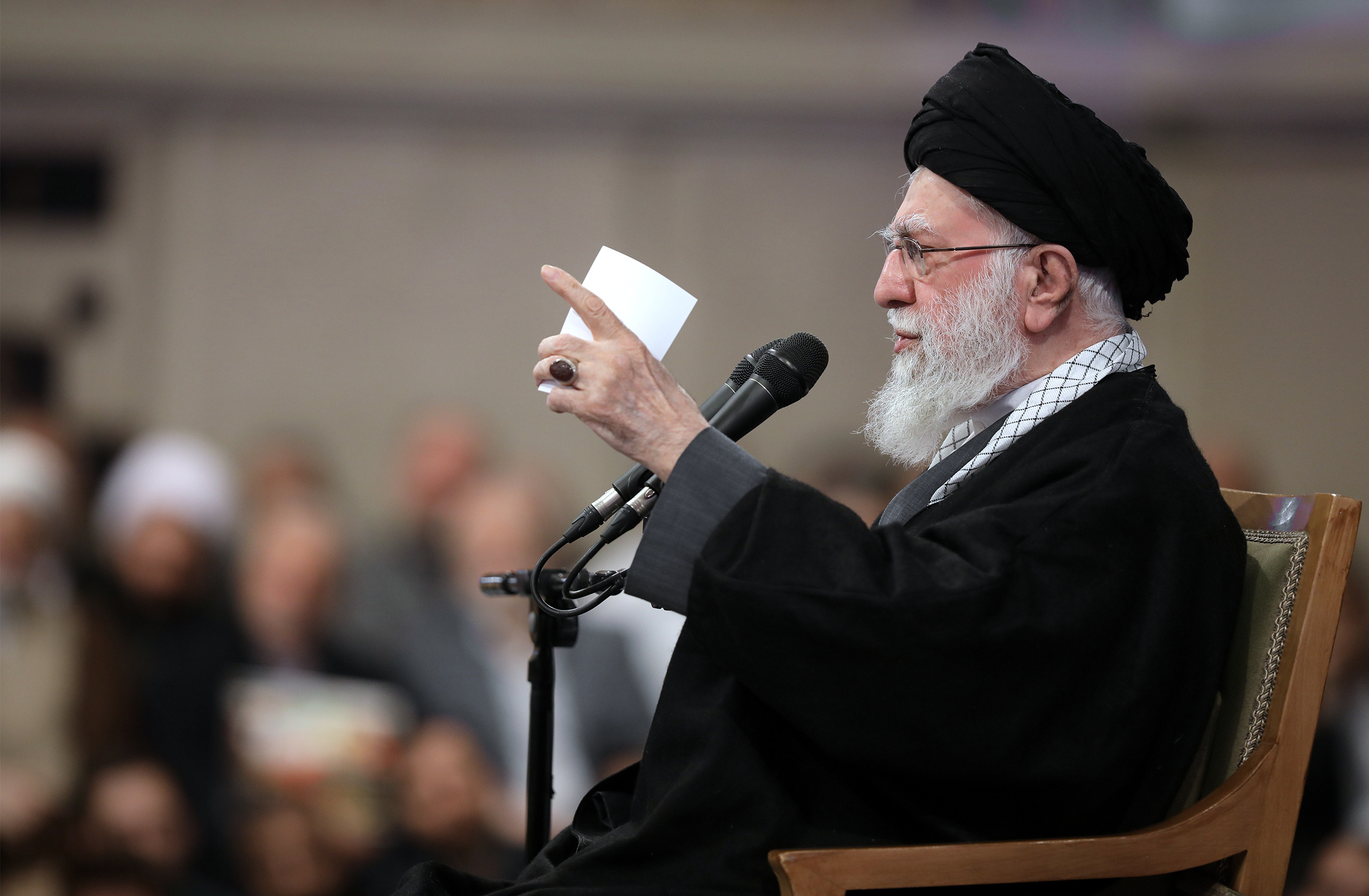
One death, many competing meanings.
London, March 2026
The first global responses to the reported death of Iran’s Supreme Leader were not unified by grief, relief or outrage alone. They were split by strategic position, political memory and immediate risk calculations, which is why the international reaction now looks less like a single diplomatic moment and more like a real-time map of the current world order. Reports described protests and celebrations unfolding almost simultaneously across multiple countries, including demonstrations in New York condemning the strikes and gatherings in Canberra where some Iranian expatriates celebrated the news. That contrast matters because it shows how quickly the event moved beyond Iran and became a symbolic test of legitimacy, sovereignty and regime change narratives.
In practical terms, the split is not only emotional, it is institutional. International coverage of official reactions shows a sharp divide between states and actors that framed the killing as a violation of international law and those that treated it as the removal of an authoritarian figure whose disappearance could create a political opening. Russia and Pakistan used the language of legal norms and sovereign protection, while key European voices spoke in the language of uncertainty mixed with cautious possibility for political transformation inside Iran. What emerges from that contrast is a struggle over the meaning of force itself, whether this was a destabilizing breach of order or a brutal catalyst for a different order.
That dual narrative becomes clearer when looking at Europe’s messaging. European leaders described the moment as a defining point in Iran’s history and suggested there is now an open path to a different Iran, while also emphasizing de-escalation with regional partners and warning about the risk of instability. This is not rhetorical inconsistency. It is strategic hedging, a way to acknowledge the political significance of the death without endorsing a chain reaction that could widen into a regional war. Europe, in other words, is trying to preserve moral distance from Tehran’s system while avoiding ownership of the consequences.
Moscow and Beijing, by contrast, are framing the event in a vocabulary designed to defend sovereign hierarchy and limit the normalization of leadership decapitation. Russian and Chinese reactions condemned the killing in legal and diplomatic terms, while also calling for de-escalation and renewed dialogue. China’s posture also included evacuation advisories for its citizens in Iran and Israel, indicating that Beijing is reading the episode not only as a diplomatic shock but as an operational risk with direct implications for nationals, transport routes and regional stability. This is the language of systemic containment, not merely ideology.
The street reaction across different countries also reveals a second layer of fragmentation, the gap between state messaging and public sentiment. Coverage described antiwar demonstrations in Times Square, while also noting voices that characterized the killing as a courageous act. In Australia, public scenes reportedly included celebration among some Iranian expatriates even as the government balanced support for U.S. security objectives with calls to protect civilians and prevent a wider regional conflict. These parallel reactions show that diaspora politics is now part of the geopolitical theater, not a peripheral emotional aftershock. Governments may speak in calibrated diplomatic formulas, but transnational communities are already shaping the moral framing in public squares.
Pakistan illustrates how quickly symbolic anger can turn into a security crisis. Reports described deaths in Karachi after protesters moved against the U.S. consulate and clashed with police, followed by broader unrest in Pakistan and Iraq, including deadly violence near diplomatic compounds. The significance here is larger than casualty counts. Once consulates, embassies and high-security compounds become focal points of mass fury, the event ceases to be only a Middle East story and becomes a global diplomatic protection problem. That shift forces governments to move from statement management to security posture, which is usually the moment when crises harden.
What the world is reacting to, then, is not just the death of a leader but the possible normalization of a method. Official statements, diaspora rallies, celebratory gatherings, street clashes and evacuation advisories all point to the same structural fact: the political center of gravity is moving from questions of who ruled Iran to questions of what rules still govern the use of force against top leadership. That is why the reactions sound so incompatible. Each actor is not only responding to Iran, but defending a future precedent that could later be used against someone they protect, support or embody.
If this crisis expands, the early reaction archive will matter as much as the battlefield timeline because it already contains the blueprint for the coming narrative war. Some capitals are building a case around opportunity, others around illegality, and still others around immediate stabilization. The result is a fractured chorus that tells us something larger than the event itself: the international system no longer agrees on how to describe decisive violence when it arrives wrapped in claims of security, liberation or deterrence. In that ambiguity, power does not simply act. It defines the vocabulary first.
La narrativa también es poder. / Narrative is power too.