

 Phoenix 24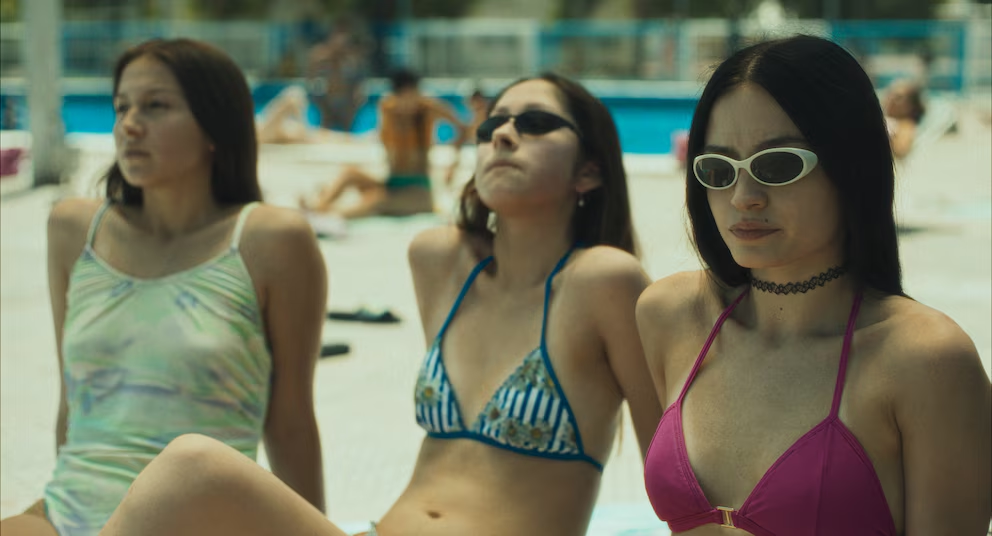
Fear becomes reflection when the personal meets the political.
Buenos Aires, January 2026.
An unsettling new film has emerged from Argentina that intertwines adolescent longing, social breakdown and uncanny powers against the backdrop of early twenty first century crisis. The Virgin of the Quarry Lake adapts two stories by acclaimed Argentine author Mariana Enriquez into a cinematic narrative that resists conventional genre boundaries. Instead of relying solely on spectacle, the film uses supernatural elements to explore the emotional turbulence of youth and the latent violence of everyday life in a country marked by deep economic and social fractures.
The story centers on Natalia and her close friends, young people navigating the complicated transition from adolescence to adulthood in a suburban environment marked by hardship and rapid change. Abandoned by her parents and raised by her grandmother, Natalia’s intense emotions and transformative experiences are juxtaposed with her developing uncanny abilities. These powers, reminiscent of gothic classics yet rooted in local cultural textures, amplify personal tensions into broader metaphors about community, desire and rage.
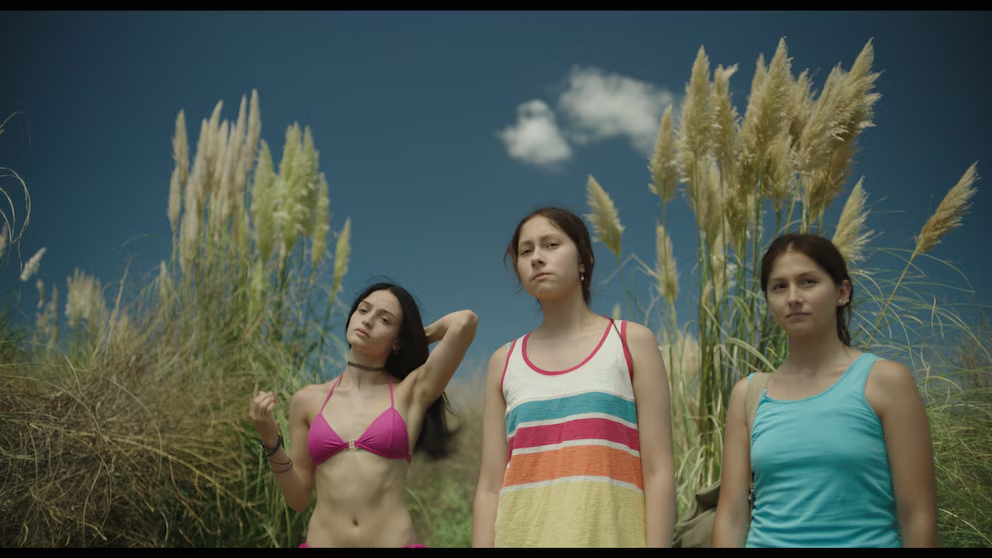
Director Laura Casabé, working from a screenplay by Benjamín Naishtat, frames this tale of youth within a setting shaped by economic collapse and social convulsions that culminated in widespread protests and public unrest in Argentine cities at the turn of the century. The landscape of the quarry, a disused excavation site transformed into a dangerous water filled basin, becomes a potent symbol. It is a site of abandoned promise, physical risk and emotional intensity, where youthful impulses collide with unresolved societal anxieties.
Scholars of Latin American film note that the adaptation does more than translate written horror to screen. It embeds the story in lived memory and regional specificity. The choice to situate the narrative in a suburban environment outside Buenos Aires highlights how cultural production can reflect collective wounds and hopes, even in genres traditionally associated with escapism. The quarry itself, along with the ambient heat, power outages and fragmented social fabric, evokes the oppressive conditions familiar to many who experienced Argentina’s turbulent years.

The film’s atmosphere owes much to its source material in Enriquez’s fiction, which has been widely discussed for its ability to turn everyday experiences into unsettling revelations. In Enriquez’s vision, horror emerges not only from overt supernatural phenomena but from the cracks of social life. These include daily injustices, unspoken resentments and invisible pressures that shape personal identity. The film preserves this sensibility, using sound, visual composition and narrative rhythm to blur the line between inner turmoil and external threat.
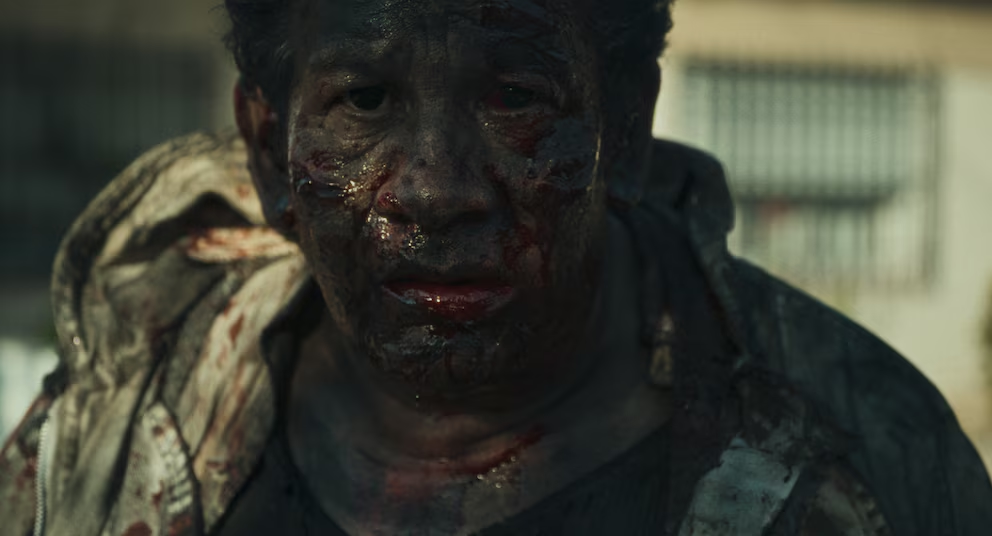
Actors in the ensemble further intensify this approach by grounding their performances in emotional specificity rather than formulaic horror gestures. The dynamic between the young protagonists, their affection, jealousy and hunger for recognition, creates a psychological claustrophobia as powerful as any overt scare. The arrival of an older outsider complicates their relationships, showing how external presence can ignite internal fractures.
Critics observe that The Virgin of the Quarry Lake also engages with broader questions of Argentine culture and memory. By joining intimate personal stories with a landscape shaped by collective trauma, the film refuses to exist as simple entertainment. It positions itself within a lineage of works that use speculative elements to question historical experience and social anxiety. In doing so, it asks viewers to consider how economic collapse, social rupture and generational displacement leave traces in both mind and narrative form.
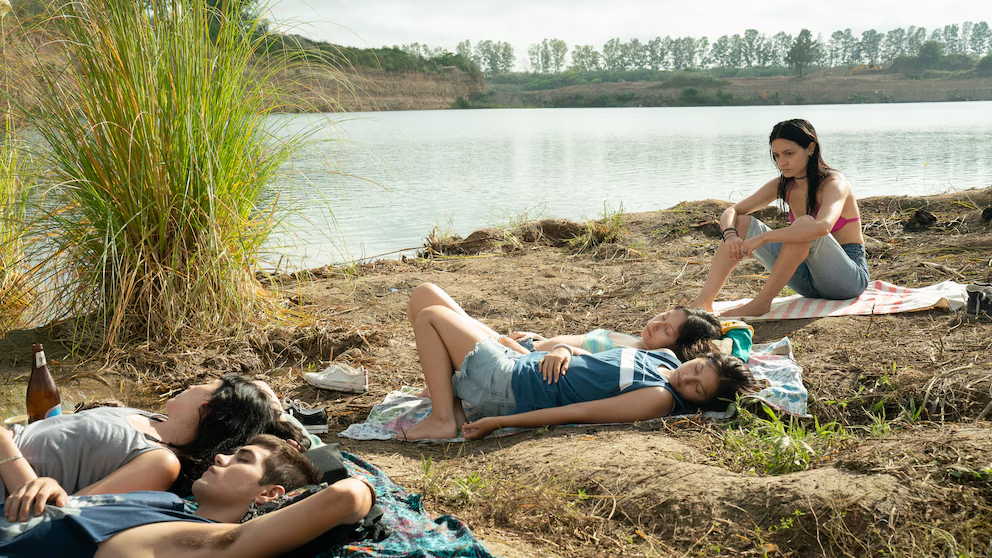
The film’s reception at international festivals has shown the strength of this blended approach. Its selection for major screenings and its critical reception reflect a growing appreciation for genre cinema that carries cultural depth without losing artistic ambition. The use of setting, sound and performance places the film within global currents of horror cinema while preserving a distinctly regional voice.
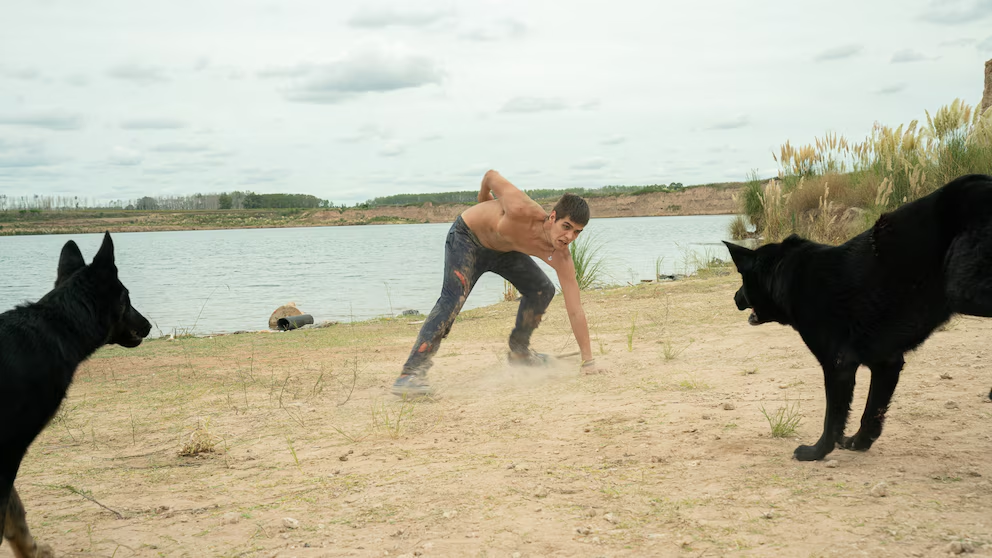
In its fusion of youthful vulnerability, social commentary and supernatural tension, The Virgin of the Quarry Lake suggests that horror speaks most clearly not when it escapes reality, but when it exposes what societies carry beneath the surface.
Cada silencio habla. / Every silence speaks.