

 Phoenix 24
Football enters the zoom economy
World Cup 2026, June 2026.
The popular trick to activate 20x zoom and capture the best goals during the 2026 World Cup may seem like a simple technology tip. In reality, it reflects a deeper transformation in how global sport is consumed, recorded, and shared. The fan is no longer only a spectator. He is now a mobile producer inside the stadium.
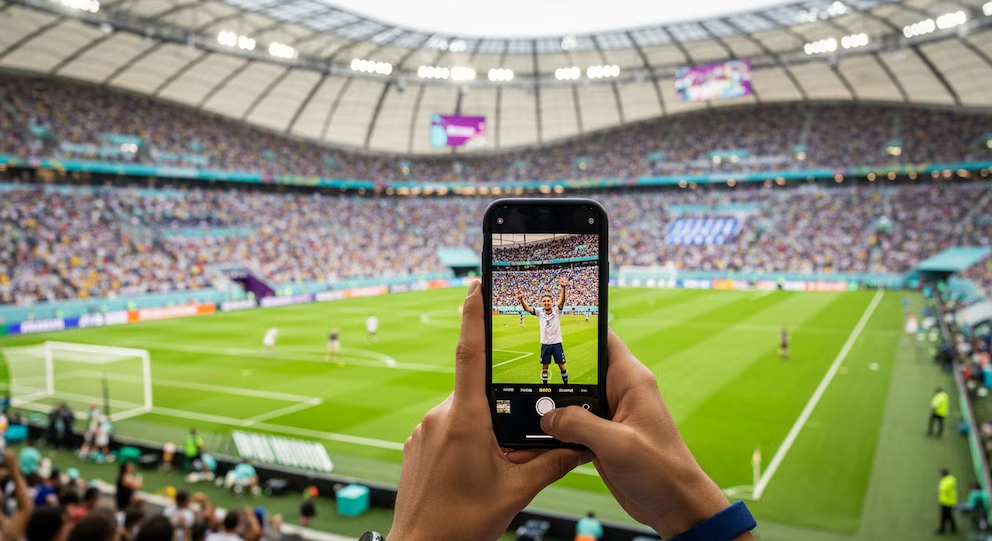
Smartphone cameras have changed the relationship between audience and spectacle. A goal is no longer experienced only in the moment or through official broadcasts. It is immediately captured, reframed, uploaded, and circulated across social platforms. Every seat in the stadium can become a micro-broadcasting point, and every fan can generate a personal version of the match.
The use of high digital zoom also reveals the limits and power of mobile technology. Modern devices can bring distant action closer, stabilize movement, enhance lighting, and allow users to record moments that once required professional equipment. Yet the result depends on more than magnification. Good framing, timing, stability, lighting, and storage management determine whether a video becomes memorable or just another blurred clip.
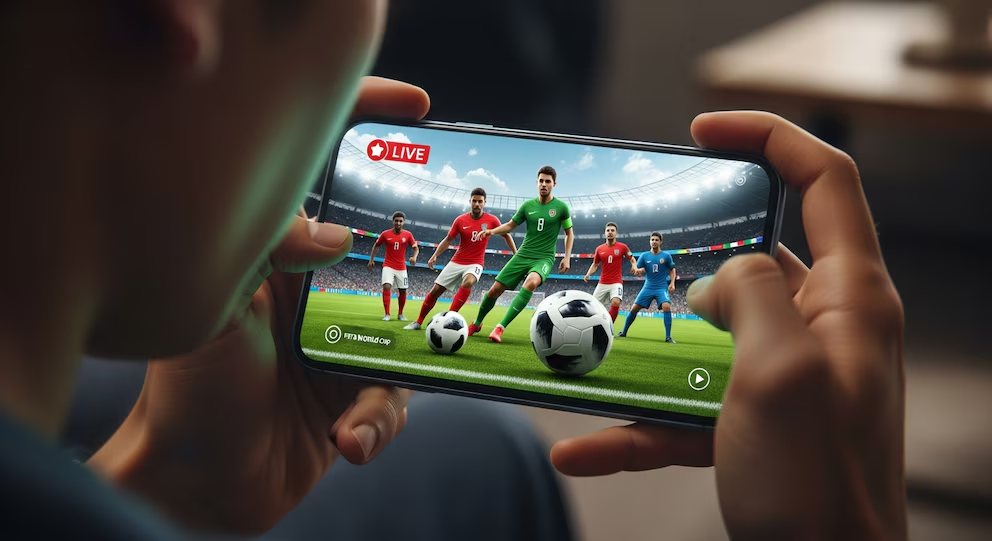
This trend also affects the business of football. Official broadcasters still control premium production, but fans increasingly shape the emotional archive of tournaments. Viral clips, crowd reactions, celebration angles, and informal recordings often travel faster than institutional content. The World Cup is now documented from thousands of unofficial lenses at once.
There is also a cultural dimension. Fans want proof that they were present. Recording a goal is not only about preserving the play; it is about participating in the global conversation around it. The phone becomes a memory device, a social passport, and a tool of identity. In the stadium economy, attention is split between watching the pitch and producing content from it.
The challenge is balance. Excessive recording can reduce direct experience, obstruct other spectators, or turn collective emotion into individual content extraction. Technology should amplify memory, not replace presence. The best goal is still first lived with the eyes before it is stored on a screen.
The 20x zoom trend shows how deeply digital habits have entered football culture. The World Cup is still played by athletes, but it is increasingly narrated by fans with smartphones in their hands.
Technology changes the spectacle when the audience becomes part of the broadcast.