

 Mario López Ayala, PhD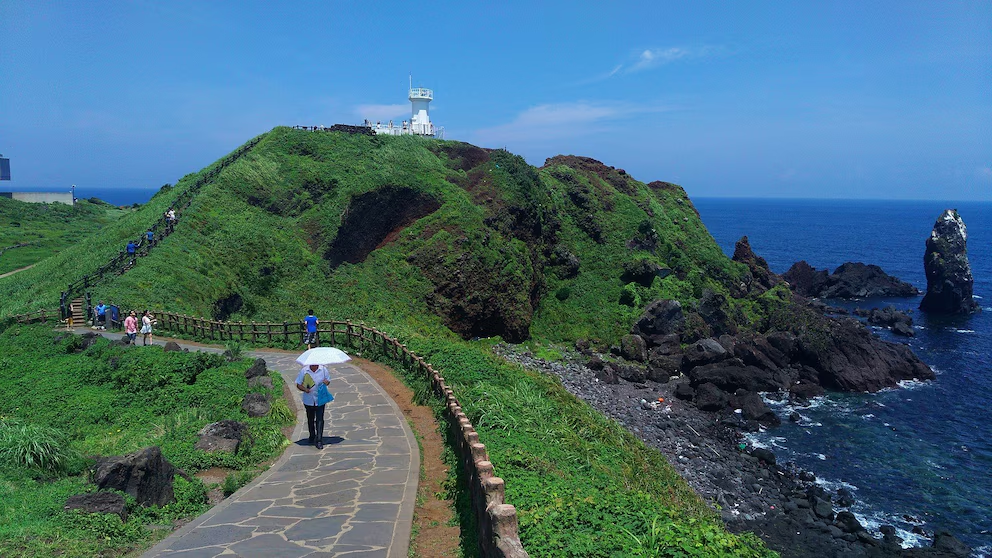
Paradise is not a privilege but a responsibility. One island is proving that natural beauty thrives only when visitors respect its laws.
Jeju Island, August 2025
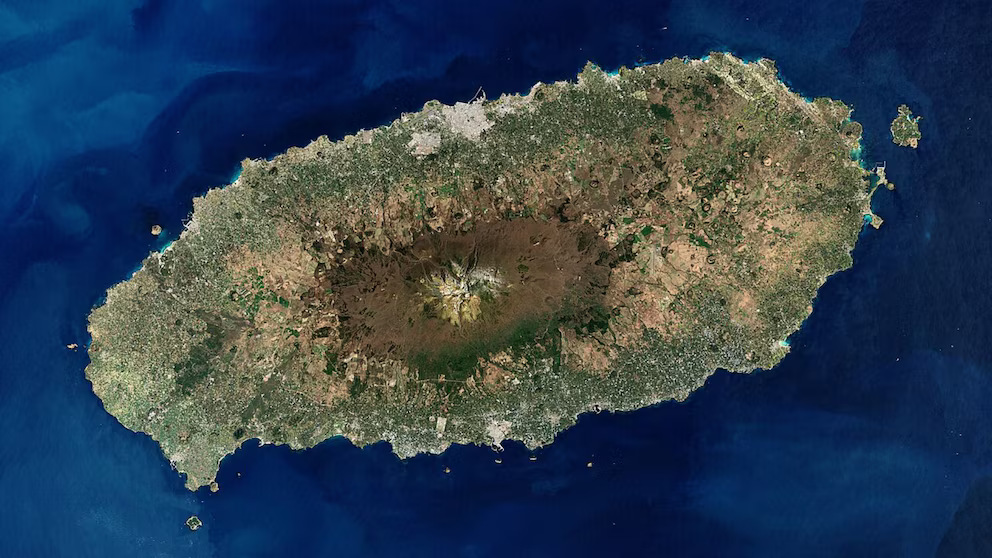
Jeju Island, South Korea’s volcanic jewel in the East China Sea, is often described as a paradise on Earth. Known for its black-sand beaches, waterfalls, lava tubes, and subtropical climate, it attracts millions of visitors each year who come seeking peace, adventure, and cultural authenticity. But as global tourism accelerates and the pressures on fragile ecosystems intensify, Jeju has decided to change the rules of the game. It has begun enforcing some of the strictest regulations in Asia on tourist behavior, sending a clear message: the island’s natural and cultural treasures are not for exploitation but for preservation.
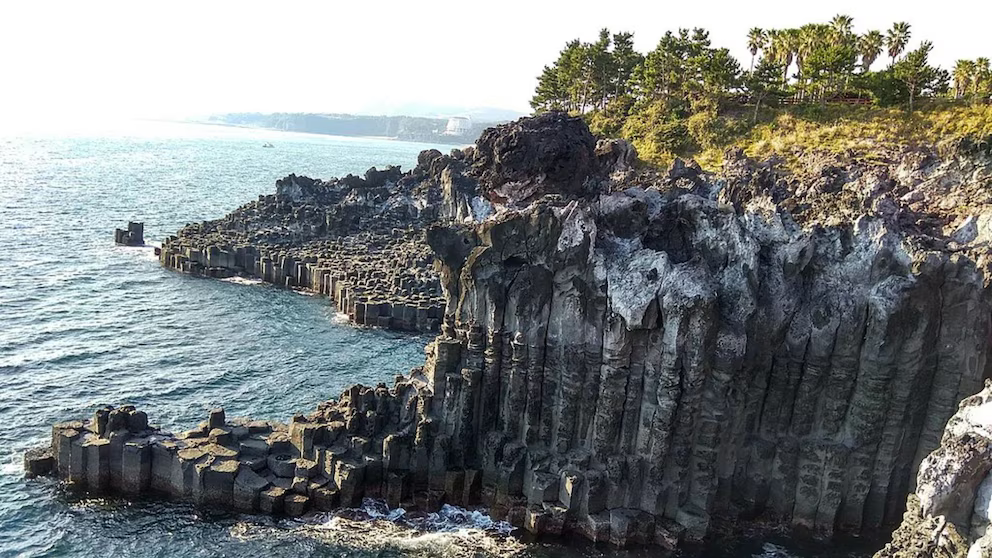
The new measures come in response to years of overtourism that have taken a visible toll on the island’s environment and local communities. Sensitive volcanic formations have been damaged by unauthorized hiking, litter has accumulated along once-pristine coastlines, and sacred cultural sites have suffered from inappropriate behavior by uninformed visitors. Local authorities warned that unless firm action was taken, Jeju risked losing the very qualities that make it unique.
Under the updated code, tourists who break established rules face penalties ranging from on-the-spot fines to temporary bans from protected zones. Offenses include entering restricted areas, touching or removing natural materials, using drones without authorization, and playing loud music near religious or historical sites. In severe cases, visitors may even be required to leave the island entirely. Officials emphasize that these are not arbitrary measures but essential steps to safeguard ecosystems, cultural heritage, and community well-being.
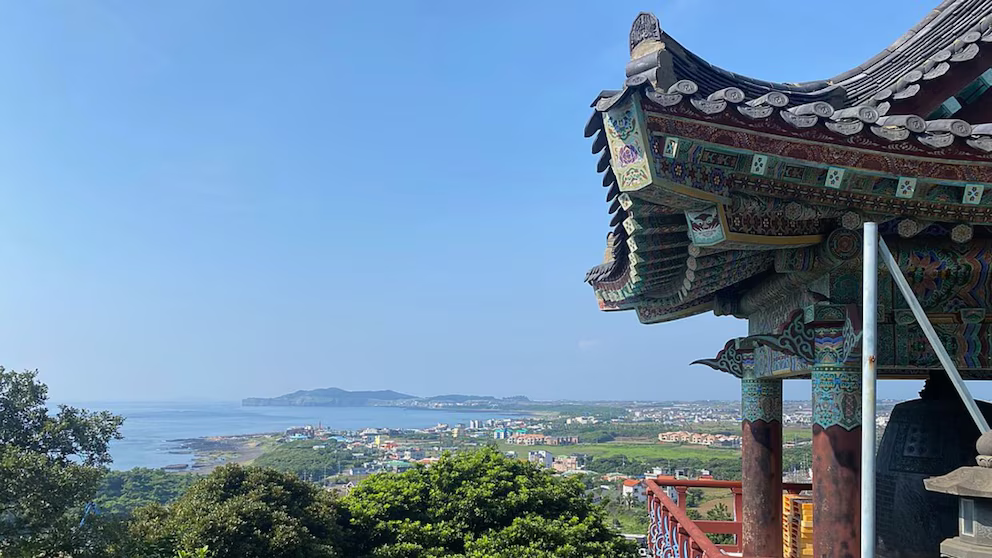
Cultural sensitivity is another pillar of the policy. Travelers are expected to observe traditional customs, such as dressing modestly in temples and historical landmarks, respecting designated quiet hours in residential neighborhoods, and avoiding behavior considered disrespectful in local culture. Authorities believe that tourism should integrate with the island’s way of life rather than overwhelm it. Education campaigns and multilingual signage have been deployed across major entry points to ensure that visitors are aware of these expectations before exploring.
Reactions to the new rules have been mixed. Some travelers appreciate the clarity and understand the need for such measures, while others feel the policies are too restrictive. A number of tourists have shared stories of receiving fines for actions they considered minor, such as crossing a roped-off trail or photographing protected wildlife. However, local residents and environmental advocates argue that the changes are necessary. They believe the island’s long-term survival depends on creating boundaries that balance tourism with conservation.
Jeju’s initiative reflects a growing global trend. From Venice to Machu Picchu, destinations around the world are imposing visitor caps, restricting access to sensitive sites, and penalizing irresponsible behavior. The concept of carrying capacity, once a topic for academic debate, is now central to tourism policy. Jeju has become a model for how destinations can assert control over tourism’s impact without closing their doors entirely.
Implementing these rules requires significant investment in infrastructure and enforcement. The local government has increased the number of park rangers and environmental officers patrolling protected zones. New visitor centers now provide orientation sessions on responsible tourism, and digital apps offer real-time alerts on restricted areas and weather-sensitive zones. Community volunteers play a crucial role as well, assisting with education and monitoring.
Beyond the environmental dimension, the initiative addresses deeper questions about sovereignty and cultural integrity. As international travel grows, destinations face a delicate balance between welcoming visitors and protecting their heritage. Too much leniency risks cultural erosion and environmental degradation, while excessive restrictions can harm local economies. Jeju’s approach seeks a middle ground by prioritizing sustainability over short-term profit.
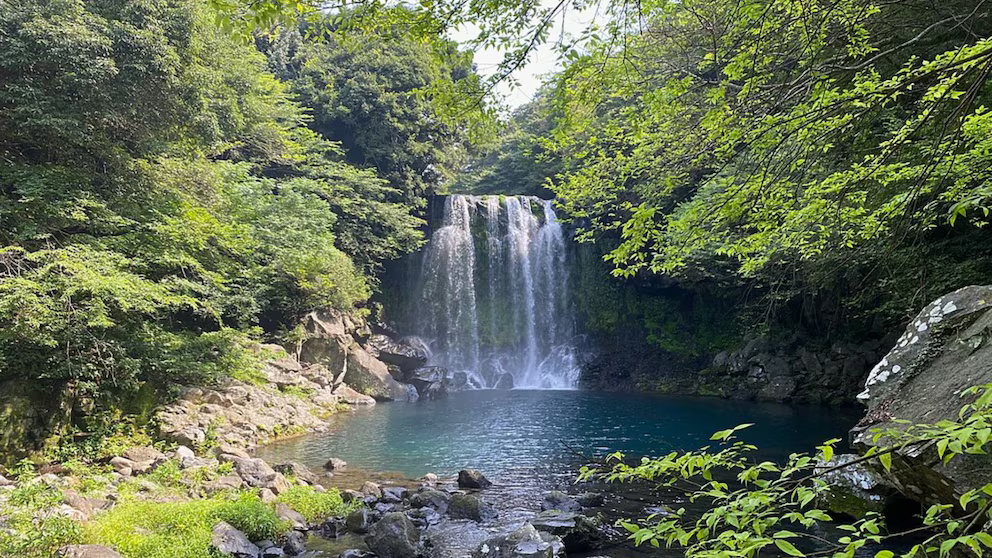
From an economic perspective, the regulations are not expected to deter serious travelers. In fact, some experts believe they may enhance Jeju’s appeal by positioning it as a responsible tourism destination. Travelers increasingly value sustainability and are willing to follow rules if it means experiencing nature and culture in their authentic forms. By clearly defining boundaries, Jeju is not pushing tourists away but inviting them to participate in its preservation.
The implications extend beyond tourism. Jeju’s policies are reshaping the relationship between visitors and the environment, turning travel into a collaborative act rather than a consumer transaction. This shift reflects a broader philosophical change in how societies view nature and cultural heritage. The emphasis is no longer solely on access but on stewardship, responsibility, and reciprocity.
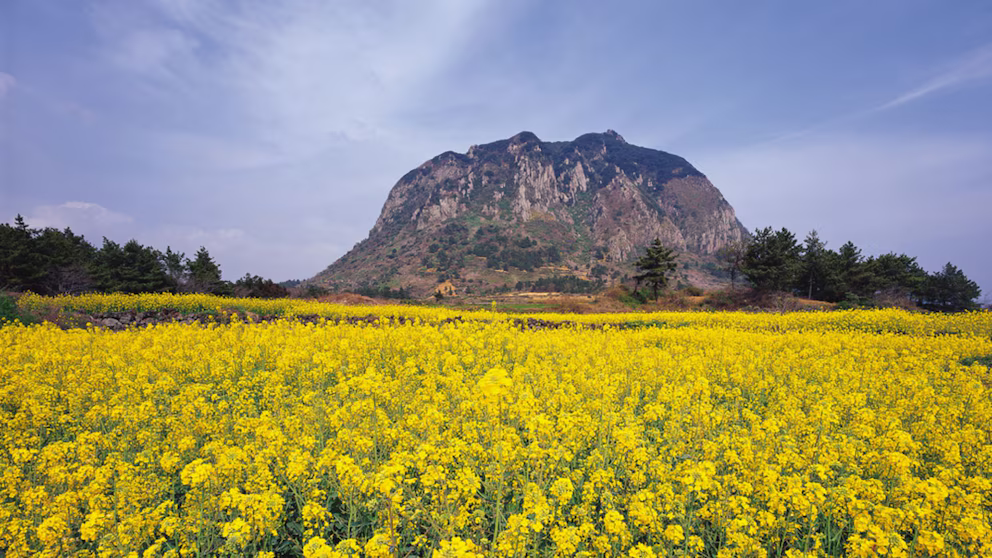
For travelers, the message is straightforward: visiting Jeju is not just about sightseeing but about becoming a temporary guardian of a living ecosystem and culture. Reading signs, following paths, and respecting silence are not inconveniences but acts of participation. Those unwilling to adapt will face consequences, while those who embrace the island’s code will discover a deeper and more rewarding experience.
In the years ahead, Jeju’s experiment could serve as a blueprint for other destinations facing similar challenges. The success of its approach will depend on continuous public education, consistent enforcement, and the cooperation of travelers themselves. What is clear, however, is that the age of unregulated mass tourism is coming to an end. The future belongs to destinations that prioritize balance over numbers, and to travelers who see themselves not as consumers but as caretakers.
The lesson is simple but profound: paradise is not defined by its beauty alone but by the respect it commands. Jeju Island is proving that preserving that beauty requires courage, discipline, and the willingness to say no. In doing so, it is showing the world that true hospitality does not mean unlimited access — it means shared responsibility.
Phoenix24: intelligence for free audiences. / Phoenix24: inteligencia para audiencias libres.