

 Phoenix 24
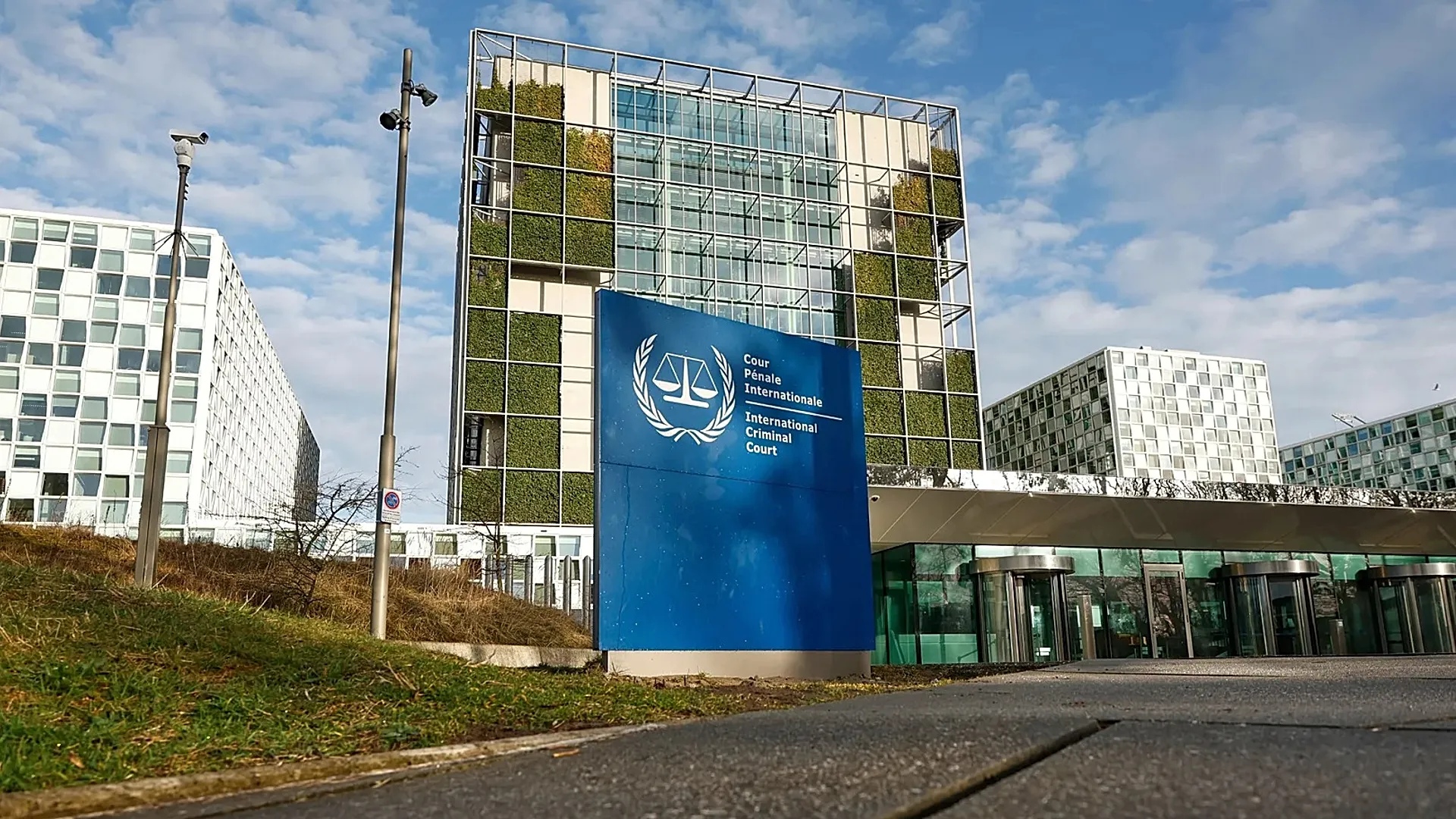
Peace talks often begin with smiles, but the unresolved past sits quietly in the room, like a document no negociator dares to ignore.
Brussels, December 2025
The International Criminal Court has reaffirmed that the arrest warrant issued against Vladimir Putin remains in full force despite renewed diplomatic momentum surrounding possible peace talks for Ukraine. The message, delivered with calibrated precision, underscores a legal and symbolic boundary that negotiators cannot erase through political convenience. In the corridors of European institutions, this reminder has been interpreted as a signal that any future settlement must coexist with the judicial obligations already activated by the Court.
According to the ICC, arrest warrants issued for grave international crimes are not suspended by diplomatic negotiations. The Court stressed that such decisions are judicial, not political, and therefore insulated from the shifting dynamics of peace efforts. Analysts at the European Council note that this posture protects the credibility of international law, particularly in a conflict where accusations of forced transfers of children, attacks on civilian infrastructure and violations of humanitarian norms have played a central role. Although the diplomatic push seeks de escalation, the legal track proceeds on a separate timeline.
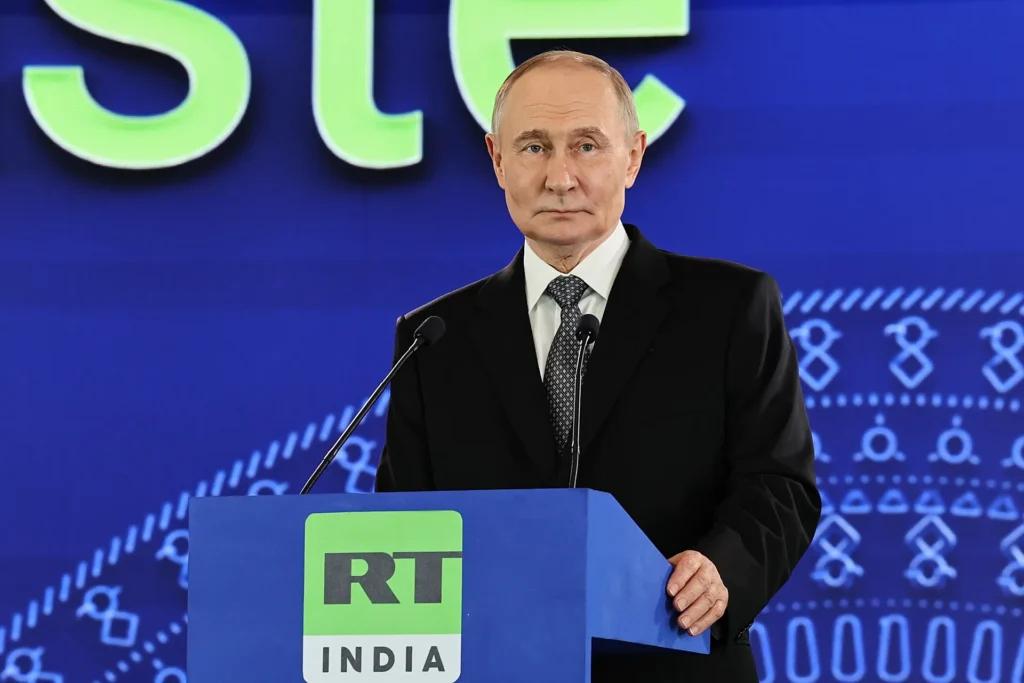
Sources familiar with the negotiations indicate that European mediators have attempted to structure the dialogue so that the judicial dimension does not obstruct humanitarian progress. However, the fact that the warrant cannot be paused or annulled automatically creates a structural tension. Observers at the Carnegie Endowment argue that the durability of the warrant offers leverage to Ukraine, since it embeds accountability into any future agreement. At the same time, it introduces a constraint for states that might host or receive Russian officials during the talks, a factor that several diplomats acknowledged privately.
Beyond Europe, reactions in other regions have added further complexity. Commentators in Asia, particularly within policy circles in Tokyo, view the ICC’s insistence as a reaffirmation of the rules based system that Japan has long defended. Meanwhile, assessments from Middle Eastern legal analysts emphasize that stability without accountability often leads to fragile settlements. The African Union has taken a more cautious stance, noting that while the pursuit of justice is essential, the Court’s moves must avoid undermining peace negotiations that could save lives on the ground. These perspectives, though varied, converge on a central idea. The warrant is more than a judicial document. It is a political constant.
Inside Ukraine, officials have reiterated that lifting or suspending the warrant is not an option. According to statements attributed to Ukrainian legal advisers, accountability is a cornerstone of any sustainable peace. This view corresponds with assessments from the United Nations Office of the High Commissioner for Human Rights, which has documented a long catalogue of violations since the invasion began. For Kyiv, compromising on justice would weaken the moral and legal foundation upon which the negotiations are built. For Moscow, the warrant represents a symbolic challenge to its legitimacy in the international arena.
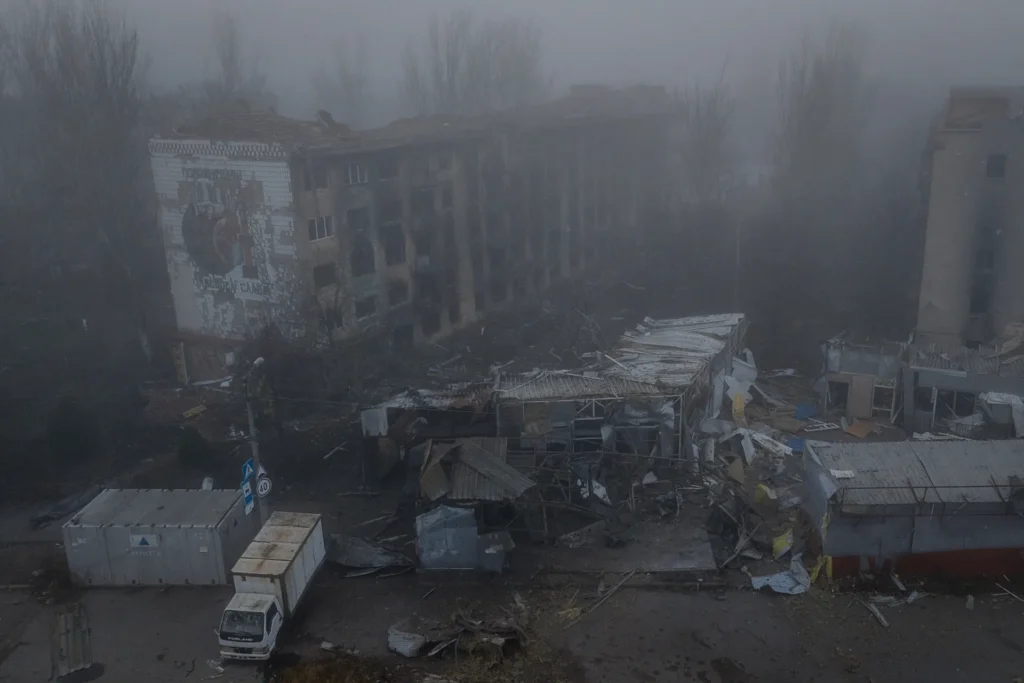
The renewed diplomatic efforts, supported by multiple European governments, come at a moment when conflict fatigue is evident across the continent. Economists at the Peterson Institute suggest that prolonged instability imposes increasing financial stress on European economies through energy volatility, humanitarian expenditures and security commitments. The urgency for a negotiated pathway is therefore understandable. Yet the ICC’s position ensures that the legal dimension will remain an immovable pillar within that pathway, regardless of political calculations.
Russia continues to dismiss the ruling, arguing that it does not recognize the jurisdiction of the ICC. Still, as legal specialists in The Hague often point out, non recognition does not nullify the Court’s authority over signatory states. Any travel by Russian officials to ICC member countries would trigger immediate legal obligations. This limitation has already shaped diplomatic schedules and venue considerations, according to observers in Brussels. Even if informal discussions proceed, the geography of diplomacy is now constrained by the potential enforcement of the warrant.
For Ukrainian citizens following the news, the persistence of the warrant carries symbolic weight. It signals that their suffering has not been reduced to a bargaining chip. It also suggests that although political negotiations may shift, the demand for accountability remains anchored in a global legal framework. Reports from international humanitarian organizations reiterate that civilian communities continue to bear the psychological scars of invasion, displacement and bombardment. The ICC’s stance does not heal these wounds, but it acknowledges them in the language of law.
As the diplomatic machinery searches for a formula to advance the peace process, the warrant remains a reminder that accountability is not a negotiable variable. It is the subtext beneath every meeting, every proposal, every cautious statement from mediators. Whether this leads to a more durable settlement or a prolonged stalemate will depend on how negotiators reconcile the political urgency for peace with the judicial permanence of international criminal law.
Facts that do not bend.