

 Phoenix 24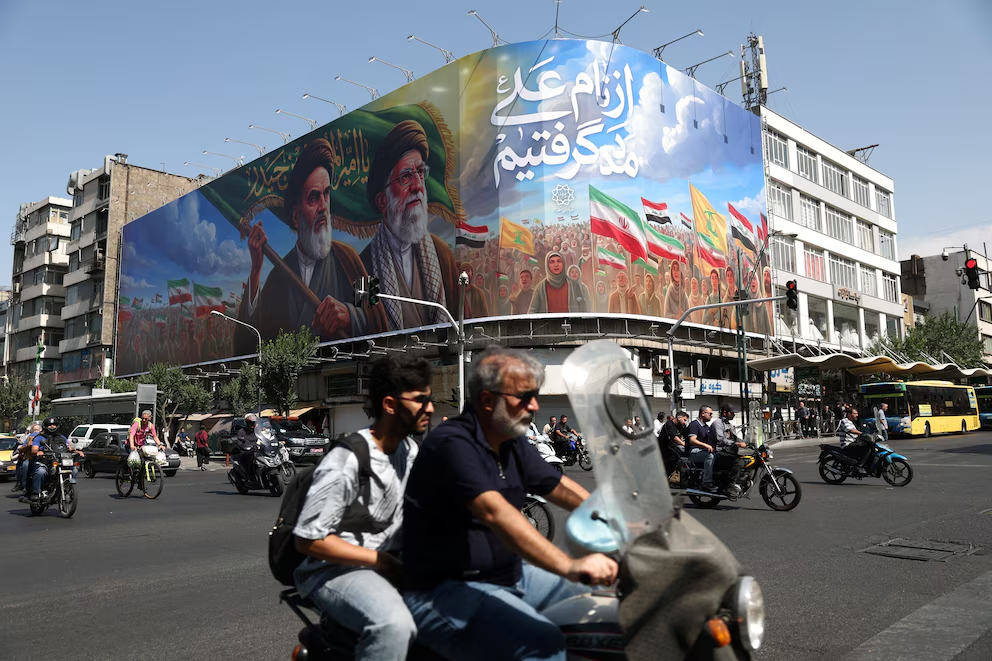
Washington, June 2026 — As negotiations move toward a possible agreement to end the conflict between the United States and Iran, the discussion extends far beyond an immediate ceasefire.
The first and most sensitive issue is Iran’s nuclear program. Washington wants strict guarantees preventing the development of nuclear weapons, while Tehran seeks to preserve elements of its civilian nuclear infrastructure.
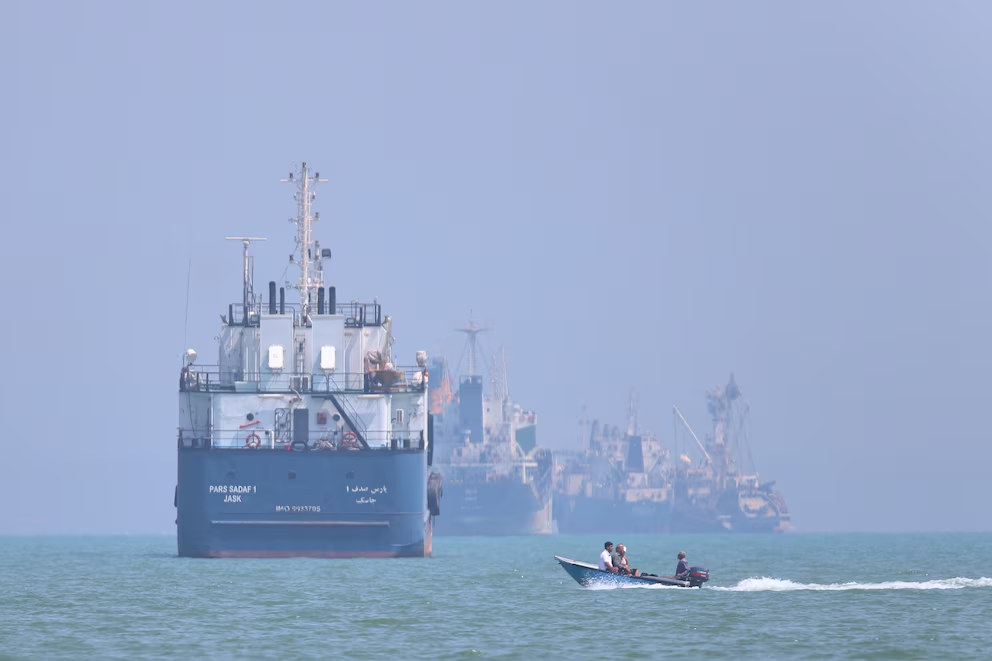
The second issue is the Strait of Hormuz. Reopening and securing this strategic route is essential for energy markets, maritime trade and global economic stability.
The third point involves sanctions and frozen Iranian assets. Tehran wants economic relief; Washington wants verified compliance before major concessions.
Regional security forms the fourth pillar. The conflict touches Lebanon, missile programs, maritime security and the wider balance of power in the Middle East.
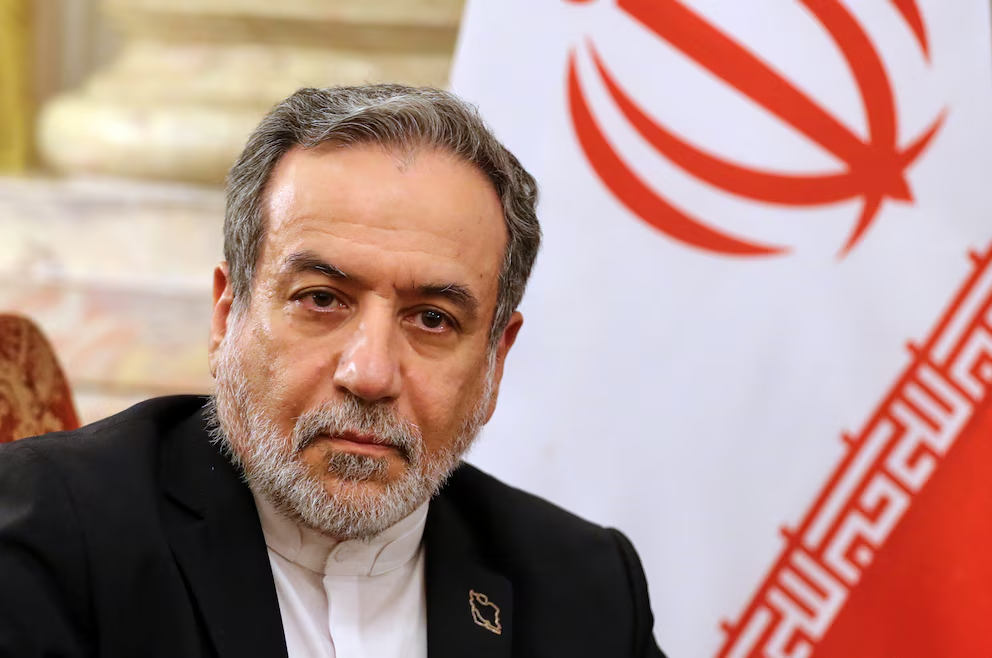
The fifth issue is implementation. Verification, inspections and compliance mechanisms will determine whether the deal becomes a durable framework or only a temporary pause.
The objective is not merely ending a war. It is constructing a new balance between deterrence, economic normalization and regional stability.
When the headlines fade, the consequences remain.