

 Phoenix 24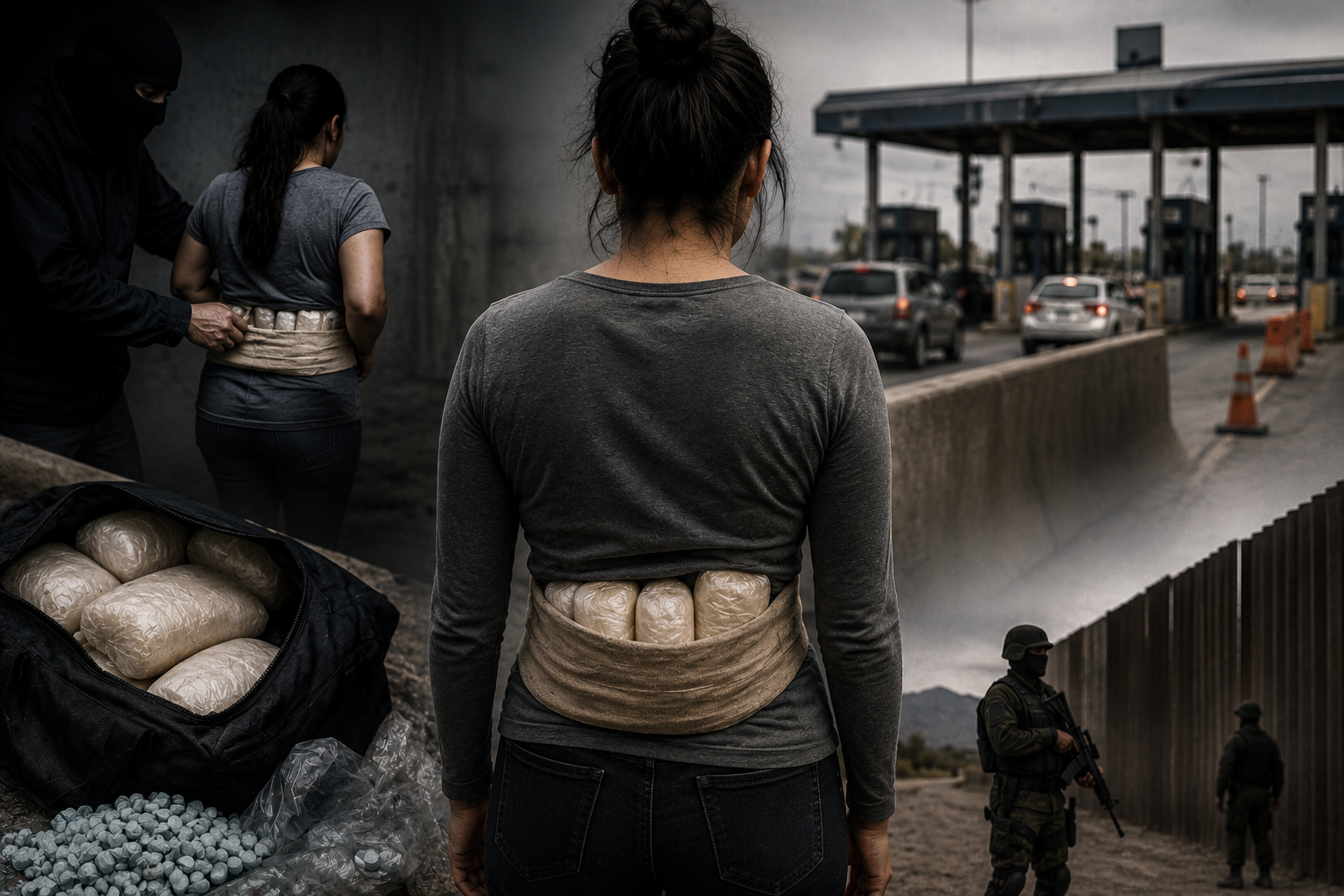
Vulnerability becomes infrastructure
Mexico City, June 2026 — The alleged network of human couriers linked to Los Chapitos reveals one of the darkest layers of the fentanyl economy: organized crime does not only move drugs. It exploits vulnerability.
According to judicial documents cited in the report, women in precarious economic conditions were allegedly recruited to transport fentanyl across the border using extremely dangerous methods. The case shows how criminal organizations convert desperation into logistics, turning human bodies into disposable instruments of profit.

The strategic point is disturbing. Fentanyl trafficking is often analyzed through laboratories, routes, seizures, money laundering and cartel leadership. But beneath that structure there is a human chain marked by coercion, poverty, gender vulnerability and criminal manipulation.
For authorities, this type of network creates a dual challenge. It must be prosecuted as transnational drug trafficking, but also understood through the lens of exploitation. The women involved may appear in court files as couriers, yet many also fit the profile of people recruited under economic pressure by organizations with far greater power.
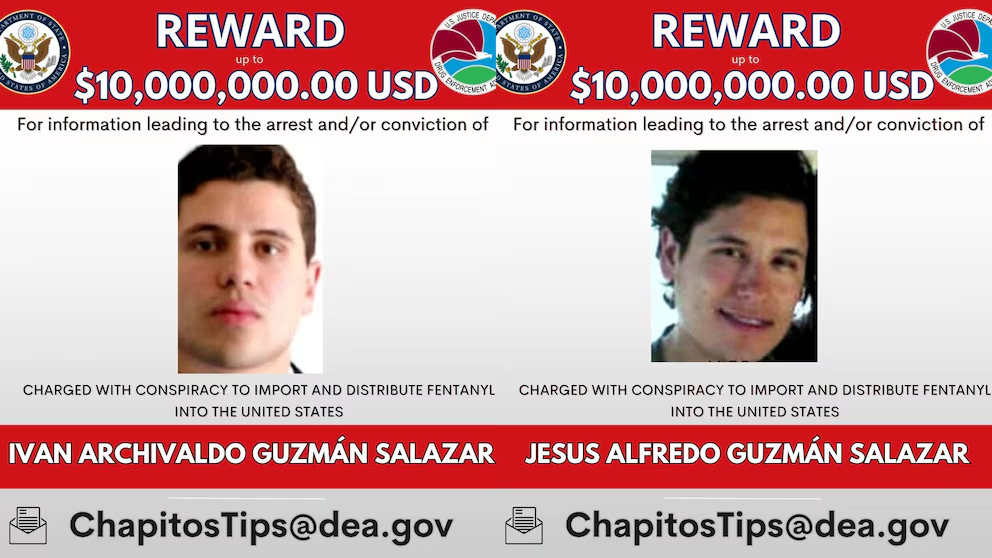
The case also reinforces why the fentanyl crisis cannot be reduced to border enforcement alone. The market depends on chemicals, laboratories, financial networks, digital communication, corruption, distribution cells and vulnerable individuals placed at the point of highest risk.
Los Chapitos’ alleged use of human couriers exposes a brutal truth: in the fentanyl economy, the most replaceable actors often carry the greatest physical danger.
When the headlines fade, the consequences remain.