

 Phoenix 24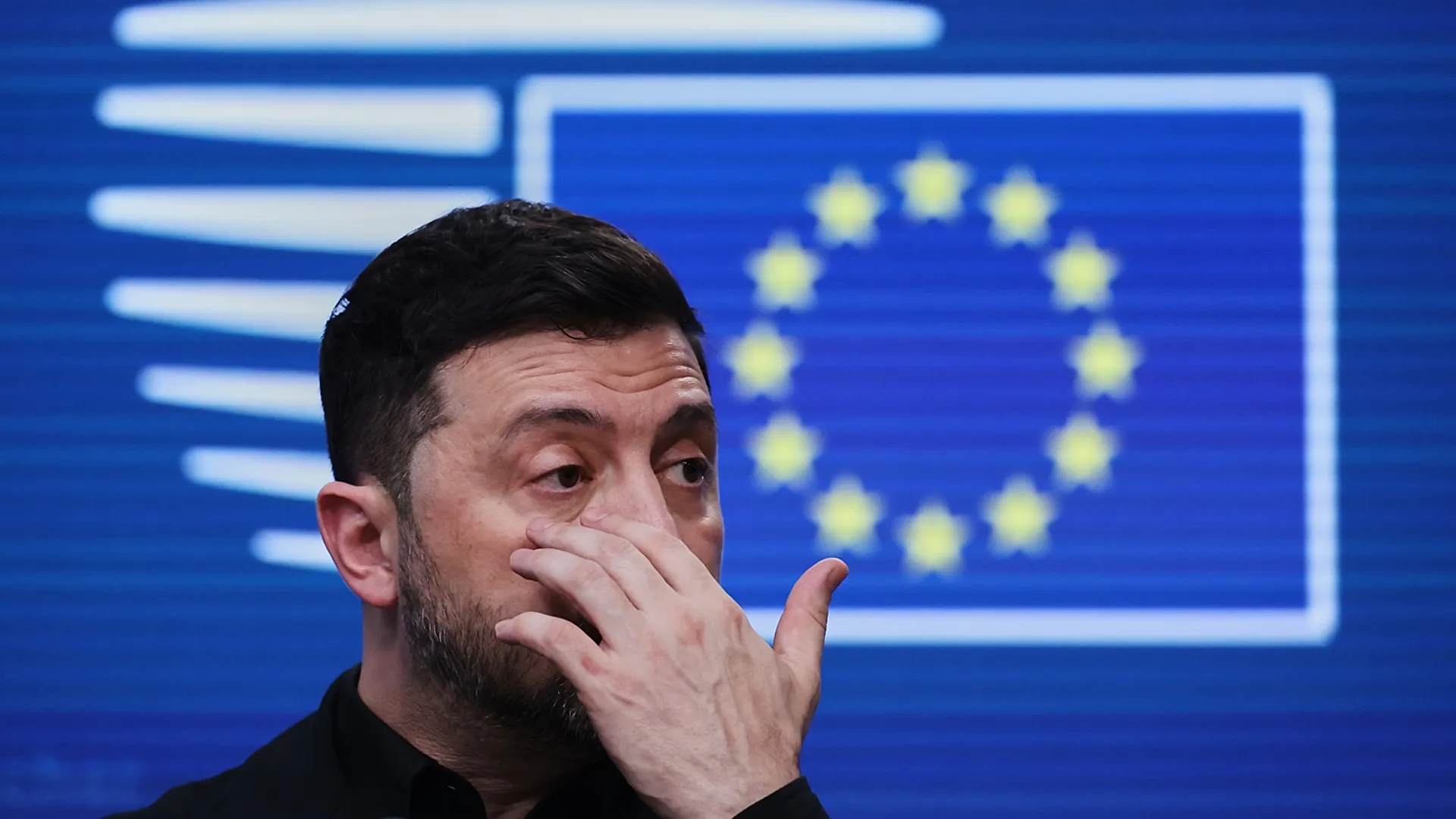
Membership cannot come before the rules.
Brussels, March 2026
The European Union has cooled the idea of granting Ukraine a form of “membership first, integration later,” a proposal informally described in Brussels as reverse enlargement or reversed membership. According to Euronews, the concept was largely rebuffed by member states who argue that rewriting the accession logic would undermine the credibility of enlargement itself. The pushback is not a technical quibble. It is a reminder that the EU’s most powerful instrument, the promise of membership, is also its most legally and politically fragile one. When the bloc stretches the meaning of accession too far, it risks turning enlargement from a process into a slogan, and slogans do not survive national parliaments, voters, or treaty constraints.
The reverse accession idea was designed as an answer to a hard geopolitical dilemma: Ukraine wants an accelerated path, many European leaders want to signal irreversible alignment, but the classic accession model is slow and politically difficult. The proposal’s core logic was to allow Ukraine to enter formally and then phase in key rights and benefits over time, including sensitive areas such as voting power, cohesion funds, and agricultural subsidies. That sequencing would have delivered the headline of membership quickly while postponing the most contentious internal consequences. Yet it is precisely that sequencing that alarms many capitals. If membership can be granted while the substance is postponed, then membership stops being the end point of conditionality and becomes the start of negotiation by other means.
This is why the resistance has been blunt. Reuters reporting in recent days captured diplomats describing the concept as effectively dead, noting there is little appetite for giving a concrete accession date and significant caution about selling accelerated entry to domestic audiences. The political constraint is not subtle: populist and anti-enlargement parties are stronger across several member states, and governments are wary of being seen to bypass standards they insisted on for previous candidates. In that climate, a shortcut for Ukraine is easily framed as unfairness, even by governments that support Ukraine strategically. The risk is not only backlash. It is loss of legitimacy for the entire accession system, because every other candidate would immediately ask why their long compliance journey did not earn the same flexibility.
There is also a legal reality that Brussels cannot wish away. Accession is treaty-bound, and while the EU has created intermediate arrangements before, full membership carries defined institutional rights and obligations. Efforts to invent a new category of partial membership are likely to trigger questions about legal basis and treaty change, including whether such a shift would require the unanimity and ratification procedures that make EU reform so slow. This is not merely lawyerly caution. It is the architecture that prevents the EU from improvising itself into internal conflict. If reverse accession looks like a workaround to avoid treaty constraints, it becomes politically radioactive even for supporters.
The Commission’s motivation is still understandable. A prolonged war and unstable peace process have made Ukraine’s strategic anchoring an urgent priority, and EU leaders do not want the accession file to become a decade-long waiting room that erodes morale and credibility. Think tanks in Europe have argued that the EU needs credible intermediate options, because the gap between political commitment and bureaucratic process is becoming unsustainable. But credible intermediate options are not the same as formal membership without full integration. There is a difference between staged integration and reversed accession, and member states appear willing to discuss the former while rejecting the latter.
This is also where the debate exposes a deeper tension inside the EU itself: enlargement is both foreign policy and internal governance. Foreign policy pushes toward speed, symbolism, and strategic messaging. Internal governance pushes toward caution, budget arithmetic, and institutional balance. Ukraine’s accession is not only a moral or geopolitical question, it is also a question of redistribution and voting weight. Cohesion funds are not abstract. Agricultural subsidies are not symbolic. Voting rights change how the EU decides sanctions, budgets, climate policy, and industrial strategy. Reverse accession tries to postpone those consequences, but member states recognize that postponement does not remove them. It simply delays the political explosion.
The refusal of reverse accession should therefore not be read as rejection of Ukraine’s European future. It is better read as a boundary-setting move by capitals that want the process to remain defendable. The EU’s greatest vulnerability is not slow procedure. It is the perception that rules change when pressure rises, because that perception feeds the argument that the bloc is governed by elites rather than law. If Brussels wants to keep enlargement credible, it has to show that Ukraine will be welcomed through a framework that can survive domestic scrutiny across the union, not through a clever formula that collapses under the first referendum threat or constitutional challenge.
There is a strategic cost to this caution, and it is real. Kyiv has repeatedly pushed for faster entry, and public expectations inside Ukraine have been raised by years of rhetoric about an irreversible path. When European capitals pull back, even for structural reasons, it can be read as hesitation or fatigue. That interpretation is dangerous because it weakens deterrence by feeding the idea that Western institutions promise more than they can deliver. The EU will need to compensate by making the alternative pathway tangible: deeper market access, faster integration into specific sectors, security and industrial cooperation, and visible progress in accession chapters where possible. Otherwise, rejecting reverse accession becomes a narrative of delay rather than a narrative of integrity.
What changes on the wider board is the EU’s message discipline. Europe wants to keep Ukraine anchored and wants to keep enlargement credible. The reverse accession concept attempted to do both with one shortcut, but capitals are signalling that shortcuts create their own legitimacy crisis. The likely outcome is a slower, more modular approach: integration steps that feel real, without crossing the legal and political red line of membership before the conditions are met. In a war-defined Europe, this may be the least dramatic option, but it is the one most likely to hold.
Phoenix24: clarity in the grey zone. / Phoenix24: claridad en la zona gris.