

 Phoenix 24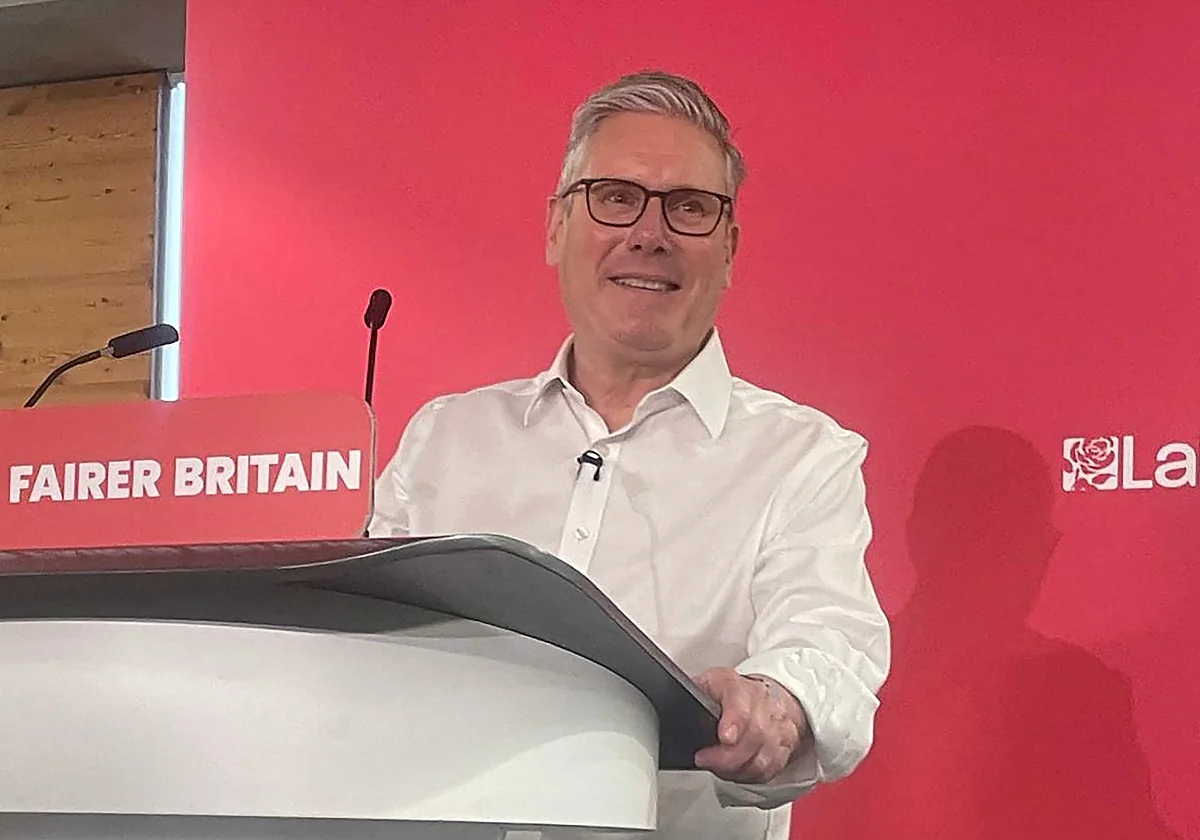
Britain’s Europe turn begins under pressure.
London, May 2026
Keir Starmer has promised to place Britain “at the heart of Europe” after a damaging electoral setback that has intensified pressure on his leadership. The message was designed as a political reset, but it arrived in a moment of internal Labour anxiety, voter frustration and growing competition from Reform UK and the Greens. Starmer is not only trying to repair Britain’s relationship with the continent; he is trying to prove that his government still has a governing story.
The British prime minister’s proposal does not amount to reversing Brexit. His strategy points instead toward a practical rapprochement with the European Union through trade, defence, security, food standards and youth mobility. That gives the speech its central tension: Starmer wants the economic and strategic benefits of closer European alignment without reopening the political wound of formal reintegration. In post-Brexit Britain, that balance is difficult because every move toward Brussels is read as either realism or retreat.
The timing is decisive. Labour’s poor performance in recent elections has exposed dissatisfaction inside the party and weakened Starmer’s authority at the precise moment he needs discipline to negotiate abroad. His promise to be bolder, revive living standards and protect British industry is also a message to Labour MPs who fear that cautious government has become political drift. Europe, in this context, is not only foreign policy; it is a rescue architecture for a government losing domestic altitude.
The risk is that voters may hear abstraction where they expect relief. A closer relationship with Europe can support trade flows, regulatory stability and geopolitical coordination, but it does not automatically solve cost-of-living pressure, public service fatigue or the cultural anger that fuels anti-establishment politics. Starmer’s challenge is to make Europe feel materially useful without sounding like he is reopening an argument many citizens believed was already settled.
For Brussels, the opportunity is real but limited. A more pragmatic British government can reduce friction after years of post-Brexit tension, yet the European Union will not offer strategic concessions without protecting its own institutional logic. Youth mobility, food and agriculture agreements, defence coordination and market access will all carry political prices. Britain wants proximity without full obligation; Europe will test how much alignment London is willing to accept.
Starmer’s speech therefore marks less a triumph than a wager. He is betting that Britain can move closer to Europe while avoiding a new civil war over Brexit, and that Labour can recover authority by presenting competence as courage. The deeper question is whether a government under internal siege can lead a national reset. Britain may be turning toward Europe again, but it is doing so from a position of political strain, not strategic calm.
Phoenix24: periodismo sin fronteras. / Phoenix24: journalism without borders.