

 Phoenix 24
Artificial intelligence changed the machine itself.
Santa Clara, May 2026
AMD CEO Lisa Su’s prediction about the end of traditional computing is no longer a distant warning. The old model, centered almost entirely on the CPU as the dominant brain of the computer, has been overtaken by a new architecture driven by artificial intelligence, specialized chips and heterogeneous processing.
For decades, computing advanced through a familiar logic: faster processors, smaller components and more efficient personal machines. That model still matters, but it is no longer sufficient. AI workloads demand massive parallel processing, high-bandwidth memory, GPUs, accelerators and systems designed to move data at extraordinary speed.
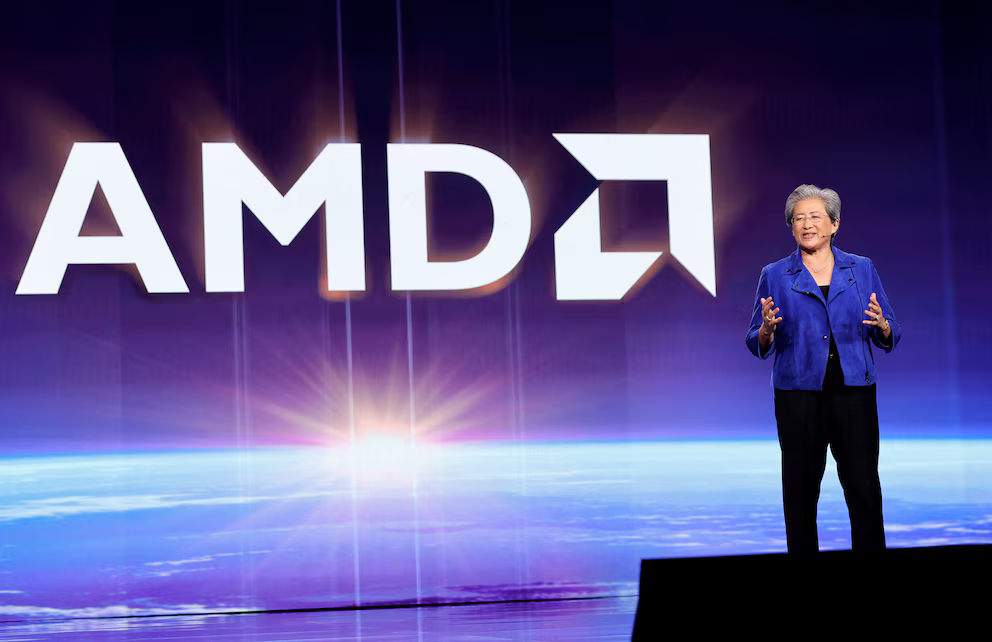
This is the transformation Su anticipated. The future would not belong to one chip doing everything, but to many types of processors working together. CPUs, GPUs, NPUs and custom accelerators now form the nervous system of modern computing, each one assigned to different tasks inside increasingly complex digital infrastructures.
The shift is visible everywhere. Data centers are being redesigned around AI demand. Personal computers are integrating neural processors. Cloud platforms are competing for advanced chips. Companies are no longer asking only how fast a device can run, but how intelligently it can process, infer, train and respond.
This also changes the balance of power in the technology industry. Semiconductor companies are no longer background suppliers; they are strategic actors shaping the future of artificial intelligence, energy consumption, national competitiveness and digital sovereignty. Chips have become infrastructure, policy and geopolitical leverage.
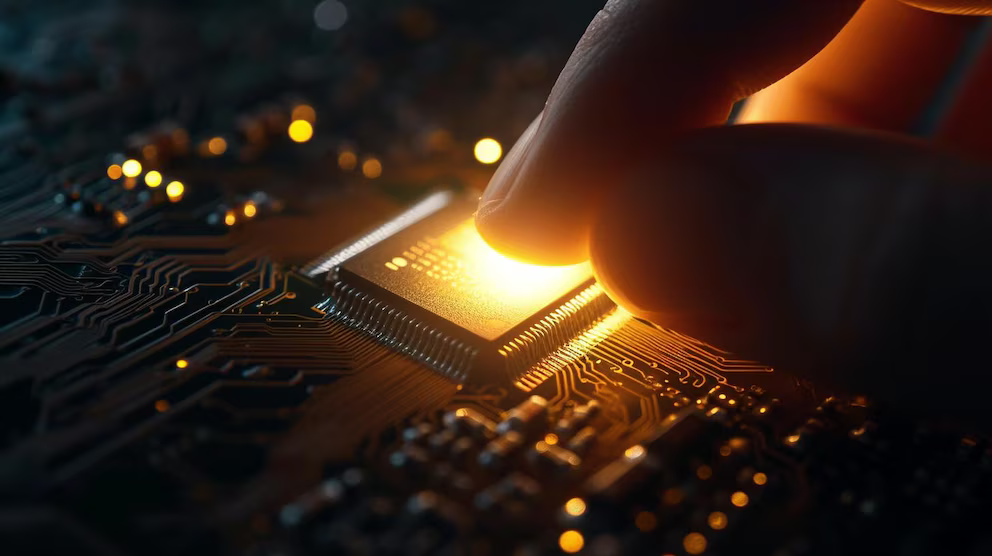
The death of traditional computing does not mean computers disappear. It means the definition of a computer is changing. The machine is becoming distributed, specialized and adaptive. Its intelligence depends less on a single central processor and more on the coordination of multiple computational engines.
The deeper lesson is that AI did not merely create new applications. It forced hardware to evolve. Software became so demanding that the physical architecture underneath had to be rebuilt.
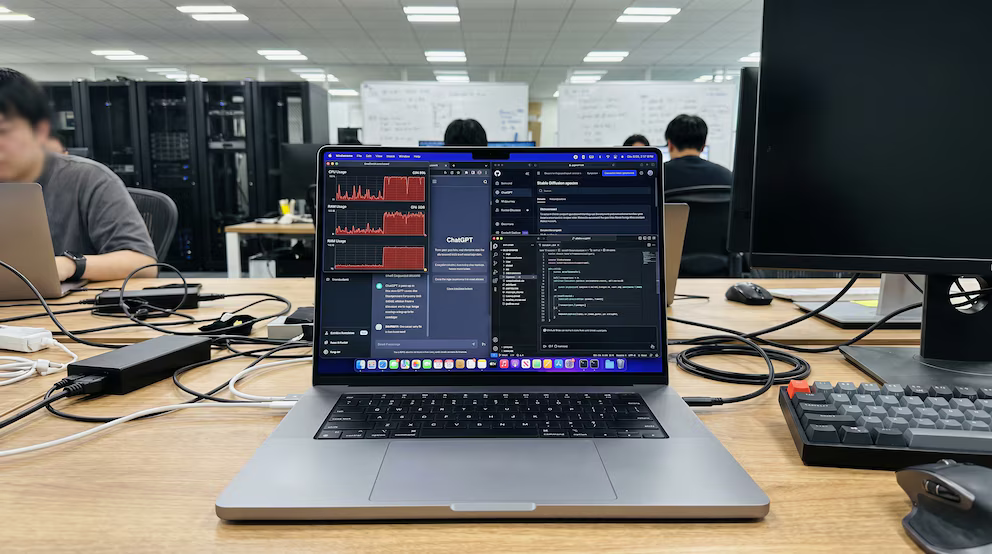
Lisa Su’s prediction now reads less like a forecast than a diagnosis. Computing did not die. It mutated into something faster, more specialized and far more central to the next industrial order.
Información que anticipa futuros. / Information that anticipates futures.