

 Phoenix 24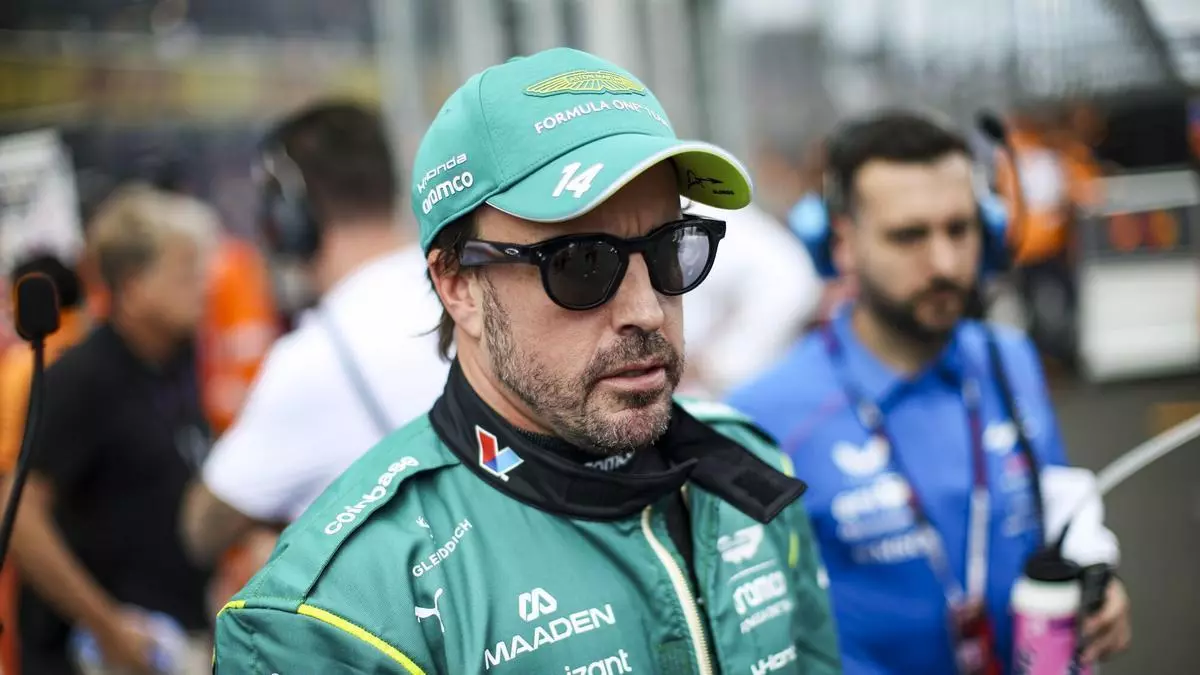
The pause arrives without relief.
Silverstone, March 2026
Aston Martin heads into the first break of the 2026 Formula 1 season with more questions than answers after a troubled opening stretch defined by reliability problems, severe vibrations and a lack of competitive pace. Rather than offering relief, the pause has intensified scrutiny around a team that began the new rules era expecting progress but has instead been forced into damage control.
Fernando Alonso made the scale of the problem clear after the opening races. Before China, he acknowledged that simply reaching the chequered flag had become uncertain after the team’s difficult start in Australia. That concern proved justified days later in Shanghai, where Alonso retired from the Chinese Grand Prix after complaining that the vibrations in the car were so severe that he could not feel his hands or feet.
The crisis has not been limited to race-day frustration. In the days before the season opener, Aston Martin figures had already warned that vibrations through the steering wheel were creating a serious issue for both Alonso and Lance Stroll. At the same time, battery shortages and power unit complications were limiting running, leaving the team with too little useful data at a stage of the season when every lap matters.
That is why the break has complicated the picture rather than calming it. In a normal year, an early pause can give a team time to regroup, understand its weaknesses and prepare an upgrade path. Aston Martin’s problem is that the core issue appears to go beyond setup or race management. The instability seems tied to the interaction between the chassis and the new Honda power unit package, making the crisis harder to solve quickly.
The lack of clean mileage has become one of the biggest setbacks. In a season shaped by a major regulatory reset, teams need reliable track time to understand balance, energy deployment, drivability and tyre behaviour. Aston Martin has not had enough of that. When a car is both uncompetitive and too unreliable to gather proper feedback, development slows and the gap to rivals becomes harder to close.
There is also a timing problem. The opening races of a new rules cycle are often decisive because early weaknesses can quickly become structural disadvantages if they are not corrected fast enough. Aston Martin does not appear to be entering the break with a car ready for refinement. Instead, it looks like a team still trying to reach basic stability before it can even begin a serious performance push.
The result is a team facing pressure on several fronts at once. There is the immediate sporting problem of retirements and lost points, the technical challenge of vibrations and limited running, and the wider strategic concern that the project may be starting this new era from a weaker baseline than expected. None of those issues disappears simply because the calendar briefly pauses.
For now, the break does not look like a reset point so much as a stress test. Aston Martin needs this pause to understand a package that has been unstable, physically punishing for its drivers and unconvincing in competitive terms. Until the team shows that it can run reliably, gather meaningful data and reduce the vibration problem, the interruption in the calendar is likely to deepen the sense that its 2026 campaign has opened in crisis rather than in contention.
Every silence speaks. / Every silence speaks.