

 Phoenix 24
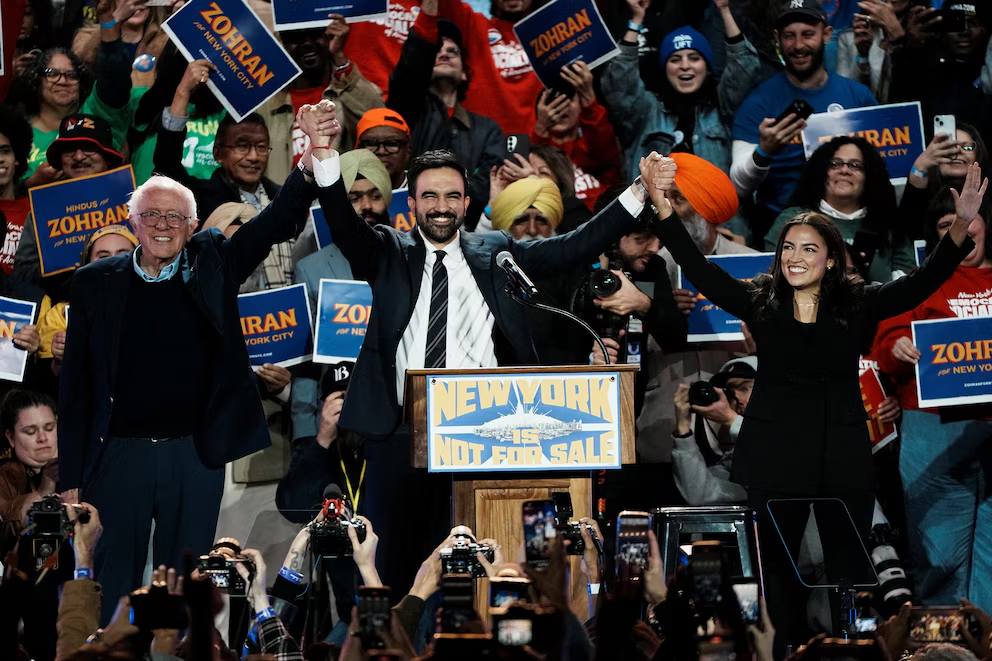
In the city that never sleeps, politics stopped pretending to dream.
New York, November 2025.
The wind that moves through the boroughs this week carries more than autumn: it carries anticipation. New York stands at the edge of a political shift as Democrat Zohran Mamdani, a progressive voice from Queens and the son of Ugandan and Indian immigrants, leads the polls ahead of the city’s mayoral election. His message—housing for all, public ownership of utilities, and the redistribution of urban power—has split the electorate between hope and apprehension.
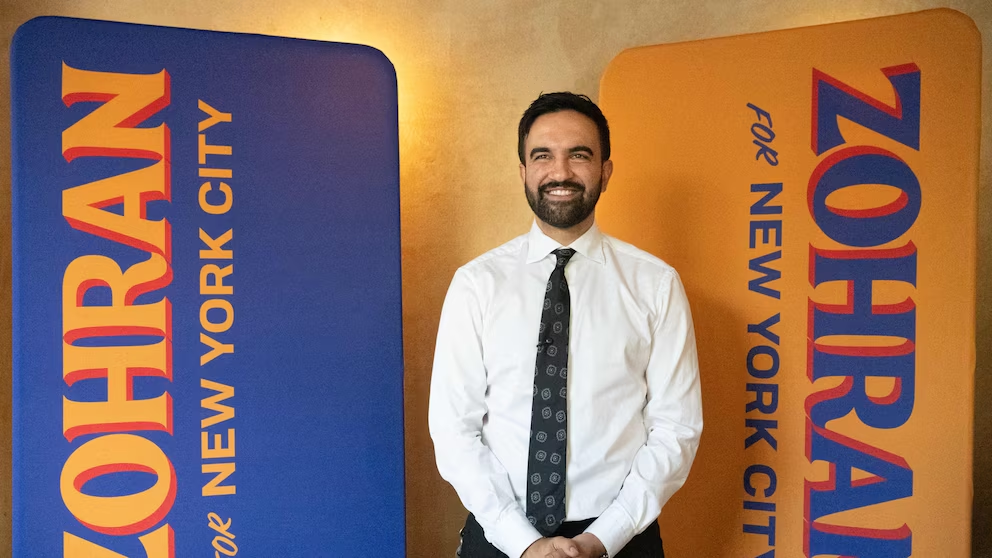
Donald Trump, watching from afar yet ever present in the country’s bloodstream, labeled Mamdani “a communist who wants to destroy the American city.” The remark, amplified by conservative networks, ignited a national debate that transcends New York’s five boroughs. The contest now reads less like a local race and more like a referendum on the future of American liberalism: can the country’s most cosmopolitan metropolis embrace an openly socialist agenda without fracturing its myth of prosperity?
Mamdani’s campaign has relied on street-level mobilization rather than donor dinners. Volunteers flood subway stations, bodegas, and community centers, handing out flyers that read The city belongs to those who build it. His rallies feel more like social movements than campaign stops—crowds of tenants, gig workers, and teachers gathered beneath banners painted by hand. Against him stand the city’s traditional power blocs: real-estate magnates, law-and-order advocates, and a segment of the Democratic Party that still clings to corporate pragmatism.
New York has always been a mirror of national anxieties. Its architecture embodies contradiction: glass towers beside food banks, billionaires beside the newly evicted. In that geography, Mamdani’s rise is both symbol and challenge. His critics call him naïve; his supporters call him necessary. The question haunting the city is not whether he can win, but whether the system built to contain change will let him govern if he does.
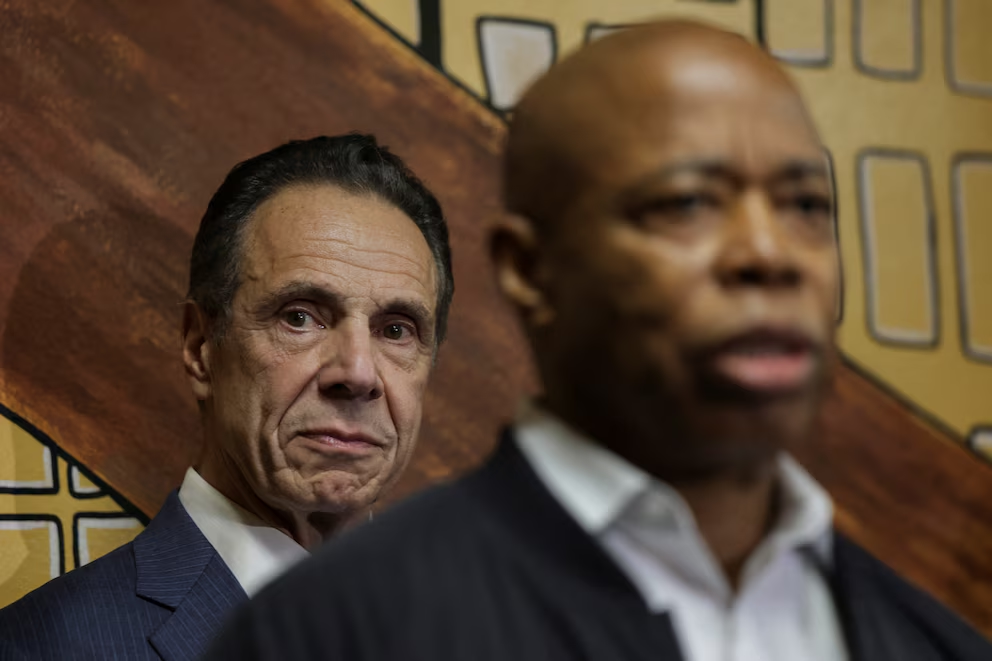
The atmosphere feels charged but curiously calm—a tension typical of New York before transformation. Posters peel off lampposts, analysts debate ideology as if it were weather, and ordinary citizens keep walking fast, knowing that whoever wins will inherit a city that resists ownership. Politics here is never about slogans; it is about survival.
As polls close and the lights of Times Square blur into the November night, New York looks less like a city choosing a mayor and more like a nation testing its tolerance for reinvention. The ballots will tell one story; the streets will tell another. And in that silence between both, the future will begin to write itself.
Detrás de cada dato, hay una intención. Detrás de cada silencio, una estructura.
Behind every fact, there is an intention. Behind every silence, a structure.