

 Phoenix 24
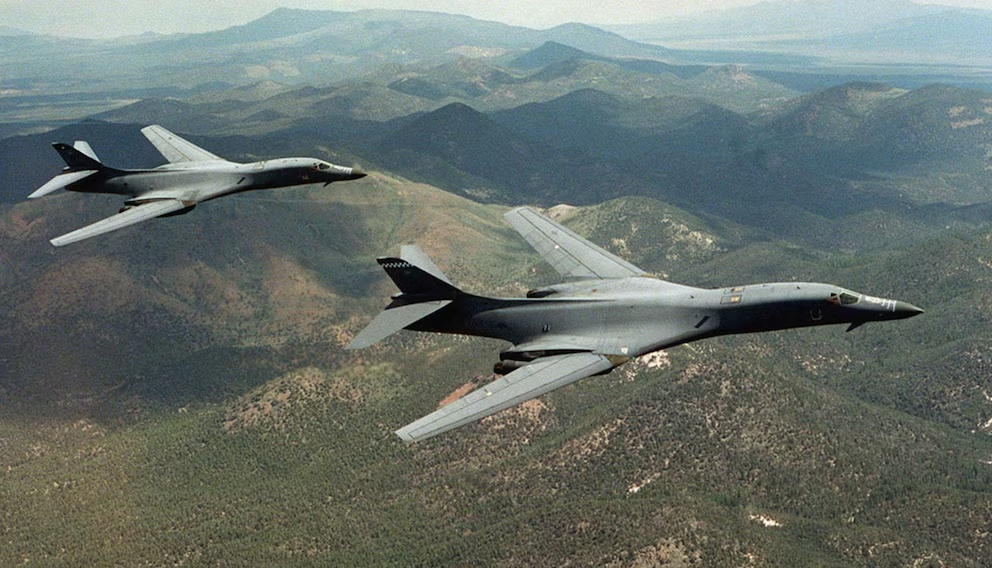
Legacy platforms survive when doctrine still needs them.
Washington, March 2026
The renewed attention on the B-1B Lancer is not simply nostalgia for Cold War aviation. It reflects a practical truth about contemporary air power: even in an era of stealth platforms, drones and precision networks, the United States still needs aircraft that can move fast, carry heavy conventional payloads and sustain pressure across long distances. That is why the B-1B keeps returning to the center of strategic conversations whenever Washington signals escalation, deterrence or rapid force projection. The aircraft is old by modern standards, but its relevance comes from the operational niche it continues to fill better than many newer systems can on their own.
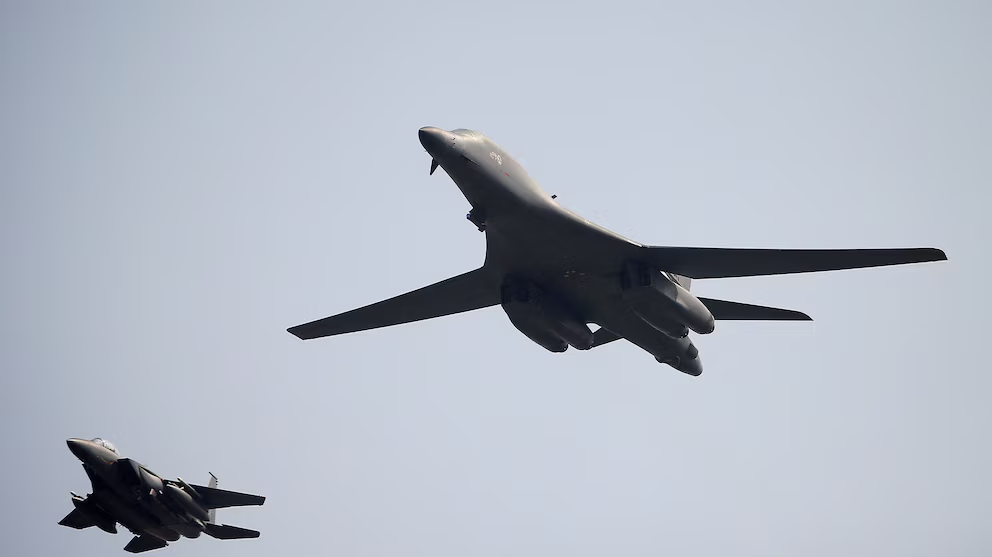
Technically, the B-1B remains a rare combination in the US inventory. It is a supersonic, long range bomber with variable sweep wings, large internal payload capacity and a profile built for high speed penetration and flexible conventional strike missions. Its four engines, high payload potential and long reach make it useful not only as a bomber in the narrow sense, but as a platform for sustained strike tempo, especially when commanders need volume and responsiveness rather than a single symbolic sortie. In strategic terms, that matters because modern campaigns are often decided by persistence, sequencing and logistics as much as by platform prestige.

The key to understanding the B-1B in the twenty first century is to stop treating it as a relic of a nuclear doctrine it no longer serves in the same way. The aircraft was transitioned into an exclusively conventional role decades ago, and that shift transformed its value. Instead of competing directly with stealth bombers on low observability, the B-1B became a high capacity conventional strike asset capable of delivering large quantities of precision effects over long distances. This is exactly why it remains useful in real world operations, where commanders often require a mix of deterrence signaling, munitions volume and endurance across broad theaters.
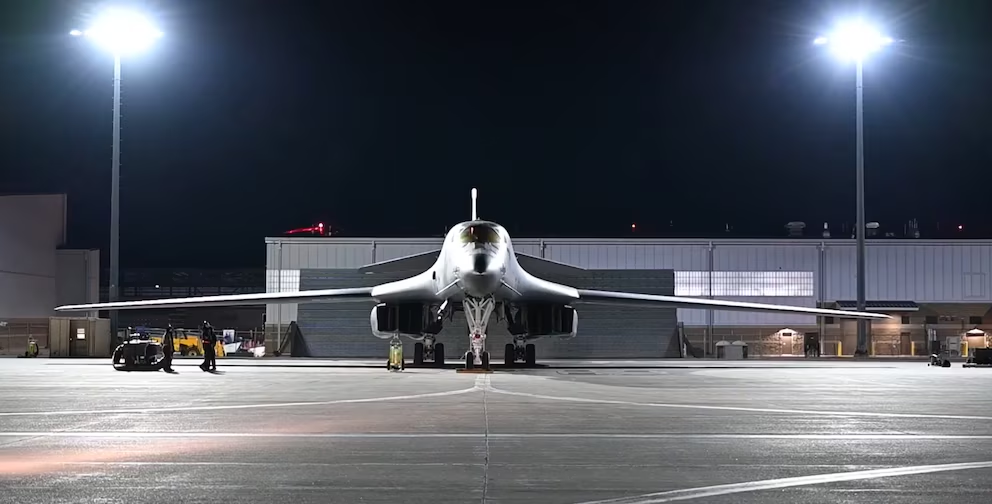
There is also a doctrinal reason the aircraft keeps resurfacing in media narratives during moments of international crisis. The B-1B represents visible, legible power projection. It is the kind of platform that communicates intent to allies and adversaries without requiring immediate escalation to the most politically sensitive options in the arsenal. A stealth bomber may be more survivable in certain environments, but the B-1B can be used to signal readiness, reinforce regional posture and sustain conventional strike planning in ways that are both operationally practical and strategically communicative. In military signaling, visibility is sometimes a feature, not a flaw.
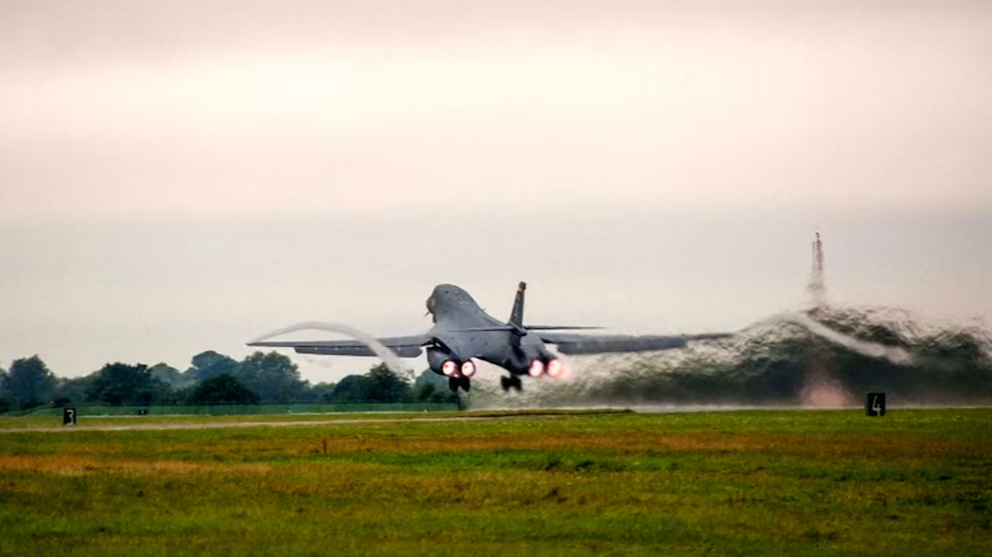
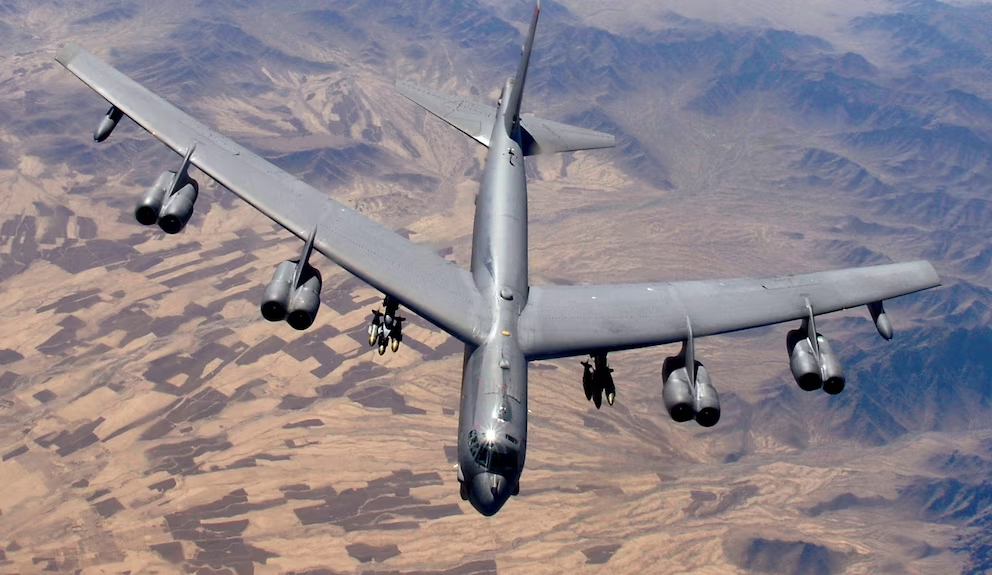
Its continued relevance also says something about the US approach to force architecture. American air power is not built around one perfect aircraft. It is built around layered capabilities, where bombers, fighters, tankers, ISR assets and command networks interact as a system. Within that architecture, the B-1B contributes speed and payload mass in a way that complements rather than replaces other strategic bombers. The B-52 offers endurance and broad weapons integration. The B-2 offers penetration and stealth. The B-1B adds a different form of flexibility, especially in conventional strike planning, where tempo and weight of fire still shape outcomes.
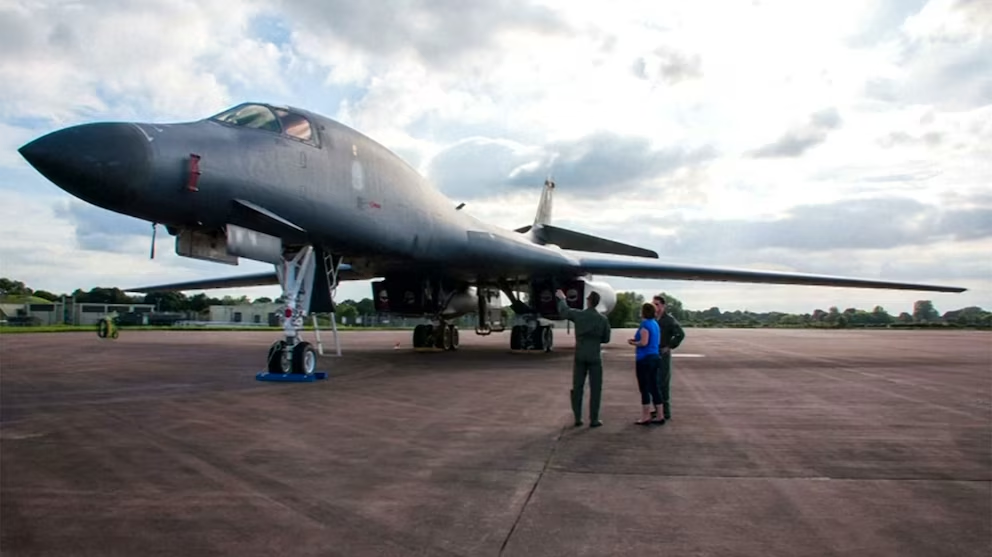
At the same time, the platform’s strengths should not be romanticized. The B-1B carries the burden of age, maintenance intensity and modernization pressure. Keeping an older high performance bomber relevant requires continuous sustainment, upgrades and careful fleet management. That reality is part of the current story, not a footnote. The aircraft remains valuable precisely because the United States has invested in extending its utility while preparing the long transition toward the B-21 era. In other words, the B-1B’s relevance is not accidental. It is the result of a deliberate strategy to preserve capability during an intergenerational force shift.
This creates a broader policy lesson about military modernization. Public debates often frame defense planning as a binary choice between old platforms and next generation systems, but operational reality is more complicated. Major powers rarely transition cleanly from one generation to another. They overlap fleets, repurpose legacy systems and sustain platforms that still produce strategic effects, especially when global commitments remain high. The B-1B is a textbook example of this logic. It survives not because innovation stalled, but because the demand signal for its mission set has not disappeared.
The current wave of attention around the B-1B also reveals how media ecosystems process military technology during crises. Headlines tend to favor adjectives such as supersónico, estratégico or decisivo, which can overpersonalize a single platform and imply that one aircraft type determines air superiority by itself. That is not how modern air campaigns work. Air superiority depends on integrated systems, doctrine, suppression of enemy defenses, logistics, intelligence and coalition coordination. The B-1B can be a significant component of that architecture, but its true value lies in how it operates within a larger ecosystem of force projection rather than as a standalone symbol.
What remains undeniable is that the B-1B continues to occupy a meaningful space in US strategic planning because it solves a specific problem that still exists. Washington may be moving toward newer stealth bombers and future force designs, but long range conventional strike at speed and scale remains a live requirement in multiple theaters. Until that requirement is fully absorbed by successor platforms, the B-1B will continue to matter, not as a monument to past doctrine, but as an operational bridge between legacy mass and next generation deterrence.
Phoenix24: claridad en la zona gris. / Phoenix24: clarity in the grey zone.