

 Phoenix 24
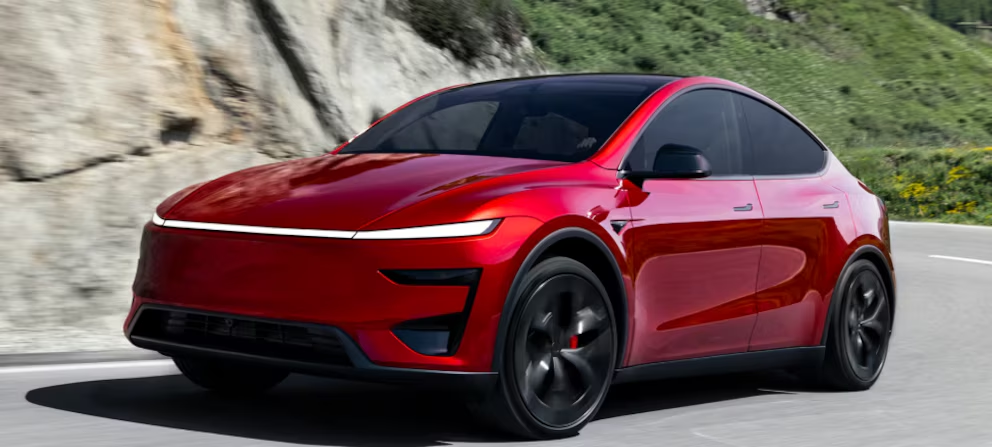
Range is the headline, but positioning is the real move.
Madrid, February 2026.
Tesla’s launch of a seven seat Model Y configuration in Spain should not be read as a simple product line extension for larger households. It is a strategic adjustment in a European market where electric vehicle demand is maturing, price sensitivity is rising, and competition is forcing even dominant brands to defend relevance in more specific use cases. The key headline, around 600 kilometers of WLTP range with three rows and a price still below 60,000 euros in mainstream coverage, matters because it reframes the Model Y from a broad volume SUV into a more targeted family proposition without requiring a new platform.
What matters here is not only the extra seating, but the market logic behind it. Tesla is moving deeper into a segment where purchase decisions are less driven by acceleration, software prestige, or brand halo alone, and more by household utility, cargo flexibility, and perceived value per euro. In that context, a seven seat Model Y is not just another trim. It is a retention and expansion tool designed to keep buyers inside the Tesla ecosystem who might otherwise migrate to larger European, Korean, or Chinese alternatives as family needs change.
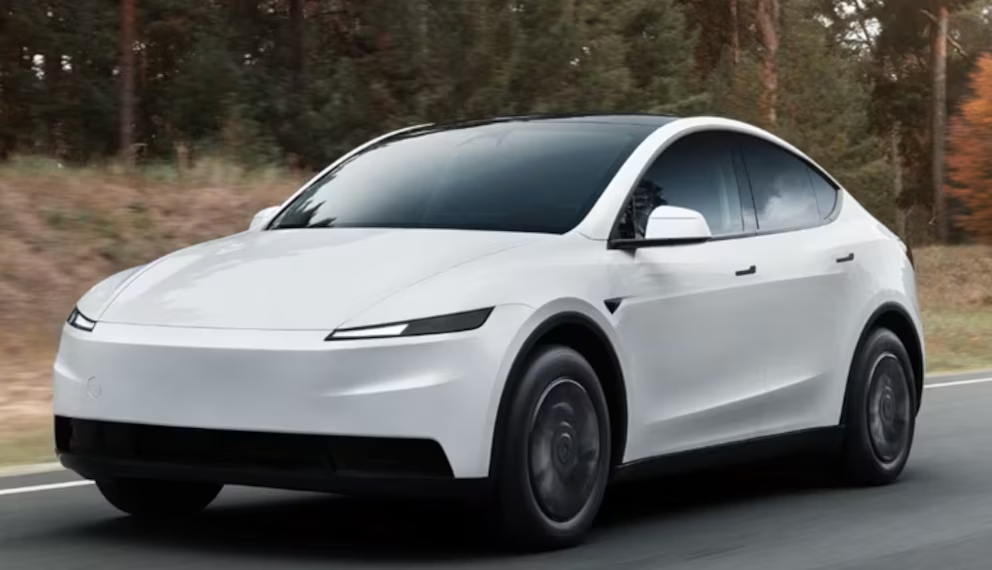
The timing is also significant. European EV buyers are entering a more comparative phase, where they no longer evaluate Tesla as the default benchmark by habit. They compare range, charging, seating flexibility, financing, interior quality, and total cost with increasing discipline. By bringing a seven seat option to Spain and linking it to one of the stronger range figures in the lineup, Tesla is responding to that shift with a practical message rather than a visionary one. This is less about technological disruption and more about market defense through product fit.
The reported pricing structure reinforces that reading. Media coverage and automotive outlets in Spain indicate that the third row is tied to a higher specification version rather than the cheapest entry model, which suggests Tesla is trying to preserve margins while broadening utility. That balance is central to the move. If the company priced the family configuration too high, it would lose competitiveness against larger rivals. If it priced it too low, it would compress profitability in a market already under pricing pressure. The seven seat Model Y therefore sits at a strategic midpoint, designed to look attainable while protecting value extraction.
There is also a symbolic layer to the range claim. A figure near 600 kilometers under WLTP conditions remains a powerful commercial signal in Europe, even when real world use varies by weather, speed, load, and driving style. For family buyers, range is not just a technical specification. It is a psychological proxy for planning freedom, fewer charging stops, and lower stress on longer trips. Tesla understands that dynamic well. Pairing seven seats with a strong range number allows the company to sell not only capacity, but confidence, especially to buyers who are still hesitant about switching family transport to a fully electric model.
At the same time, this launch reveals a structural constraint in Tesla’s current strategy. The company is extending the utility of the Model Y rather than introducing a distinctly new mass market family vehicle in Europe. That may be efficient in manufacturing and product planning terms, but it also shows how much the business now depends on extracting more segmentation from existing platforms. In a more competitive EV environment, platform flexibility becomes a financial instrument. Every added configuration helps stretch lifecycle value while Tesla manages broader pressure on pricing, demand mix, and regional competition.
The Spain angle matters more than it appears. Spain is an important EV growth market, but also one where affordability, incentives, charging behavior, and practical vehicle use shape buying decisions more heavily than brand mythology alone. A seven seat Model Y gives Tesla a stronger answer for households that need occasional third row utility without stepping into premium luxury territory. It does not fully solve the classic limitations of compact third rows, and buyers will still judge real usability closely, but it expands Tesla’s relevance in a segment where practical compromises often decide the sale.
This move also reflects a wider transition in the electric vehicle industry. Early EV competition was driven by novelty, first mover advantage, and headline performance. The current phase is increasingly about portfolio granularity, matching the right body style, range, seating layout, and price point to narrower customer profiles. Tesla’s seven seat Model Y in Spain fits that transition. It is not a moonshot product. It is a calculated market adaptation, and that is precisely why it matters.
The deeper pattern is clear. EV leadership in Europe is becoming less about who electrified first and more about who can translate battery and software advantages into family level purchasing logic under tighter budgets. Tesla’s latest move shows the company understands that the battle is now being fought inside everyday decisions about space, travel, and household economics. The extra seats are the visible upgrade. The real strategy is defensive expansion inside a market that no longer rewards broad brand momentum on its own.
Beyond the news, the pattern. / Beyond the news, the pattern.