

 Phoenix 24
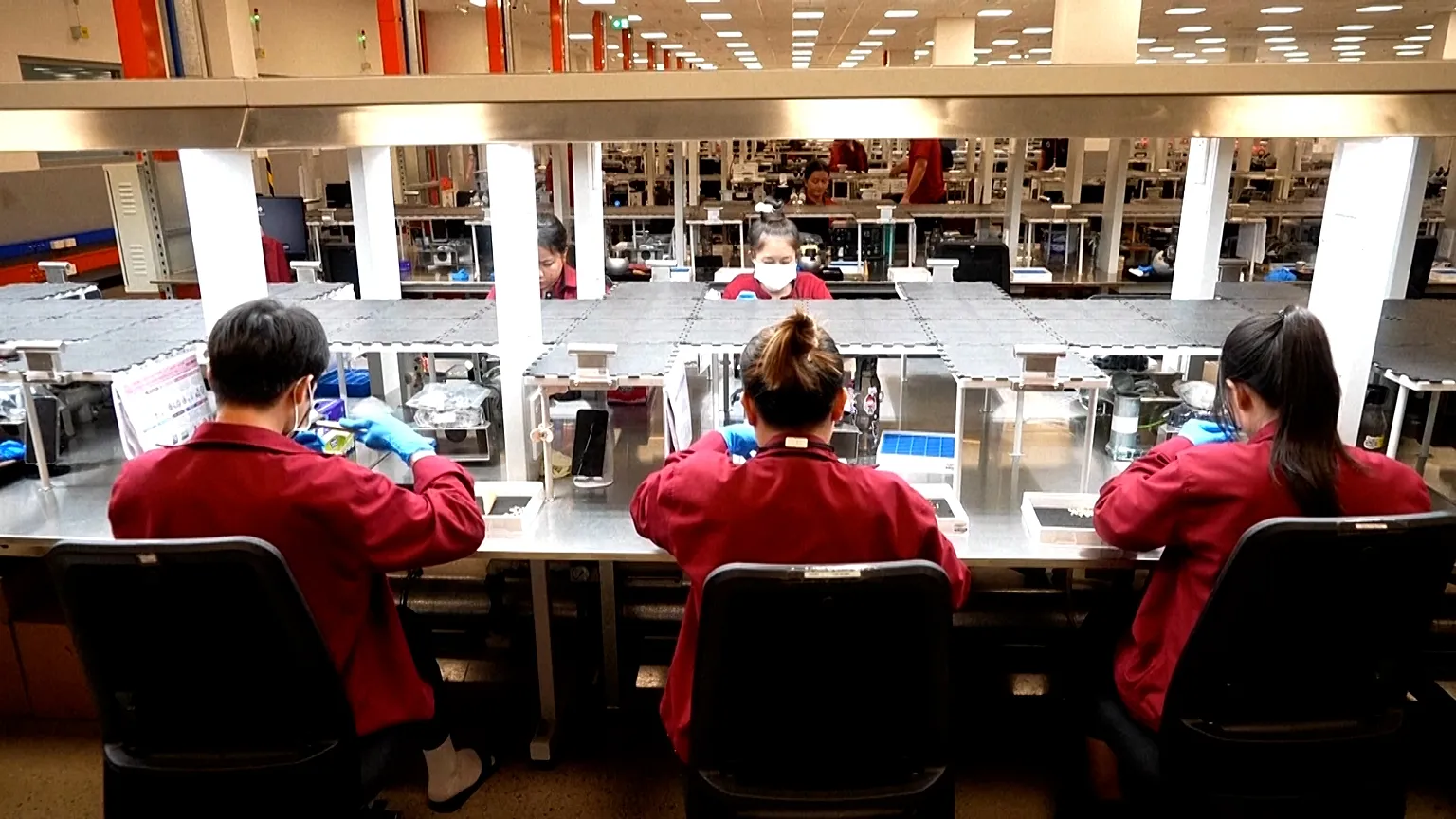
A $150 million investment tests the economics of sustainable growth.
HO CHI MINH CITY
Danish jewelry company Pandora has opened what it describes as the world’s largest fine jewelry manufacturing facility in Vietnam, combining a major expansion in production capacity with commitments to renewable electricity and recycled precious metals. The investment highlights how global manufacturers are reconsidering supply chain concentration while facing increasing pressure to reduce their environmental footprint.
The $150 million facility, inaugurated on October 1, is designed to manufacture up to 60 million pieces annually, increasing Pandora’s overall production capacity by approximately 50%. The company expects the plant to employ 7,000 people once operations reach full scale.
The project represents Pandora’s first manufacturing operation outside Thailand, where it has concentrated production for decades. Establishing a second manufacturing base in Southeast Asia gives the company greater flexibility to distribute production and respond to disruptions affecting individual locations.
Chief executive Berta de Pablos-Barbier has emphasized the factory’s ability to manufacture different collections using multiple materials and production techniques. The company also intends to develop specialized skills through its crafting academy, linking workforce training with its broader manufacturing strategy.
Environmental commitments form a central part of the investment. Pandora says the Vietnamese facility will operate entirely on renewable electricity and use recycled gold and silver. The building has obtained LEED Gold certification, reflecting recognized standards for energy efficiency and sustainable construction.
These measures follow Pandora’s transition to recycled gold and silver in its jewelry production in 2024. Precious metals can be recovered and reused repeatedly, reducing the need for newly mined materials. However, recycling still requires energy, industrial processing and transportation, meaning that recycled inputs do not eliminate environmental impacts.
The distinction matters when assessing corporate sustainability. Renewable electricity and recycled materials can reduce particular sources of emissions, but they do not automatically establish that a growing company’s total environmental footprint is declining.
A complete assessment would require comparable emissions data, including manufacturing, purchased materials, logistics and suppliers. Pandora’s expansion therefore presents an important test of whether production growth can be separated from rising environmental pressures.
The commercial context is equally significant. Pandora sold 112 million jewelry pieces in 2025, while industry forecasts suggest continuing growth in global jewelry demand. Yet expanding manufacturing capacity does not guarantee additional sales or improved profitability.
The company’s dependence on the United States, its largest market, introduces uncertainty. Import tariffs, household inflation and weaker discretionary spending can influence demand for jewelry regardless of improvements in production efficiency.
Vietnam’s role extends beyond providing additional factory space. Its established manufacturing workforce, industrial infrastructure and position within Asian supply chains make it an attractive location for international companies seeking greater operational diversification.
The investment also illustrates a wider business dilemma. Companies are expected to expand output, remain competitive on price and demonstrate measurable environmental progress, even when those objectives can create competing financial and operational pressures.
For Pandora, the new facility provides additional production capacity and an opportunity to strengthen its supply chain. Whether it also delivers sustained reductions in environmental impact will depend on performance across the company’s wider operations, not merely the technology installed at one factory.
The central question is therefore not whether a manufacturer can build a larger facility using cleaner electricity. It is whether industrial growth can remain commercially viable while producing measurable improvements across the full value chain.
Where Innovation Meets Responsibility.