

 Phoenix 24
A student-built device challenges the cost of seismic monitoring technology.
LOS ANGELES
A low-cost earthquake detector developed by California student Vivien He has attracted renewed attention for demonstrating how accessible electronics and self-taught programming can contribute to seismic monitoring. Built for less than $100, the device successfully recorded earthquakes around Los Angeles and generated alerts using technology small enough to fit in one hand.
He developed the instrument during the COVID-19 pandemic, initially motivated by scientific reports describing unusually quiet seismic conditions during lockdowns. Reduced transportation and industrial activity had allowed researchers to observe ground vibrations normally obscured by human activity.
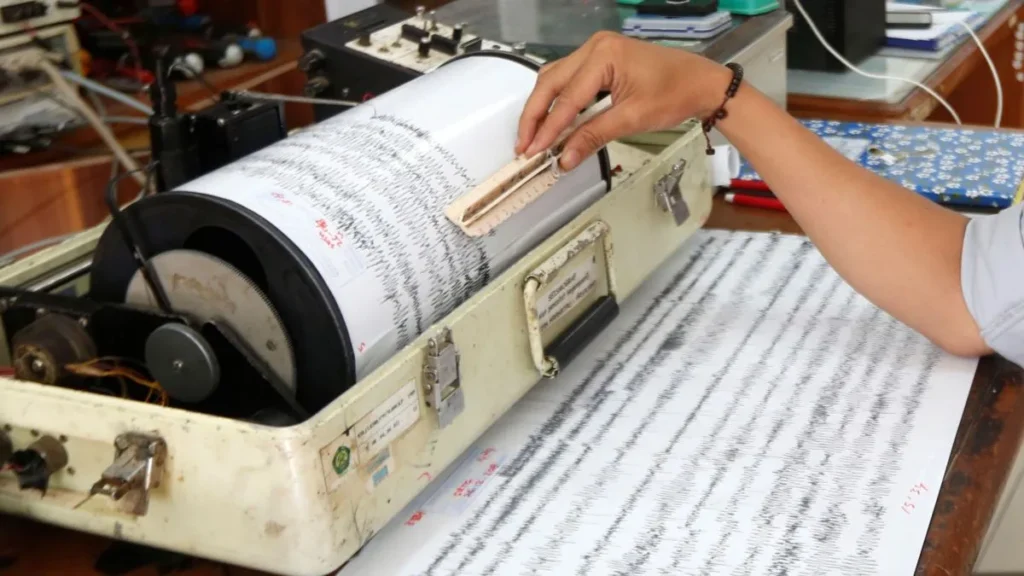
With limited previous experience in electronics or programming, the student began studying seismic research, learning Python and assembling a prototype using commercially available components.
The resulting instrument, called Qube, measures approximately the size of a Rubik’s cube and incorporates a geophone capable of detecting ground movement. Its electronic components convert vibrations into digital waveforms that can be analyzed and stored.
When detected movement exceeds a configured threshold, the system can activate an audible alarm and transmit text-message notifications. Users can also manage the device remotely through a smartphone or computer.
The project demonstrated its capabilities in September 2020, when it recorded seismic activity around Los Angeles. Its measurements were subsequently compared with readings from professional monitoring stations, producing consistent earthquake waveforms.
During testing conducted between September 2020 and May 2021, the instrument detected earthquakes exceeding magnitude 3.0 in the Los Angeles area, according to research published in Seismological Research Letters.
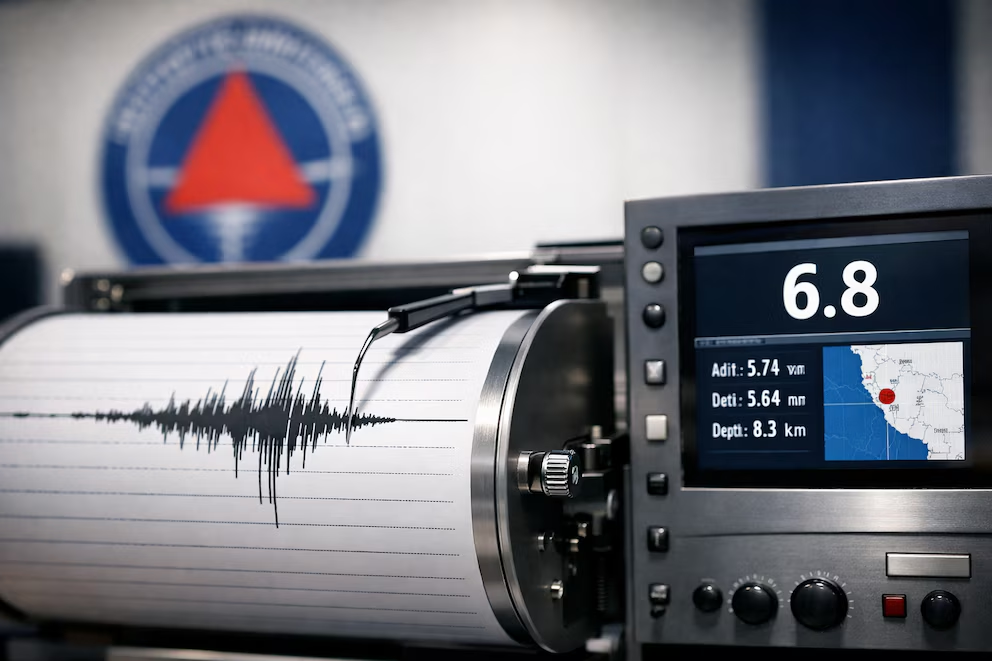
He presented her work at the Seismological Society of America’s annual meeting in April 2021. Subsequent research explored connecting multiple Qube devices into a distributed seismic monitoring network.
The distinction between earthquake detection and prediction remains essential. Neither Qube nor established early-warning systems can reliably predict when an earthquake will occur.
Instead, such technologies identify seismic activity after an earthquake begins. Because some seismic waves travel faster than others, automated systems may provide several seconds of warning before stronger shaking reaches certain locations.
That interval can be valuable for protective actions, although warning times vary considerably depending on proximity to the earthquake’s source.
Professional systems such as ShakeAlert rely on sophisticated monitoring networks and extensive scientific infrastructure. Qube explores a complementary model based on inexpensive instruments that could potentially be deployed across homes, schools and businesses.
The broader scientific challenge involves ensuring that affordable sensors provide reliable information while minimizing false alarms and maintaining effective communication between devices.
The project also demonstrates how independent experimentation can contribute to established scientific disciplines. He’s work combined electronics, programming, geological research and practical engineering without requiring an expensive laboratory.
Although the device has not been established as a commercial replacement for official earthquake-warning networks, its documented performance illustrates the potential of distributed monitoring technology.
For earthquake-prone communities, innovations of this kind raise an important possibility: expanding access to local seismic information through affordable equipment while maintaining the reliability standards required for public safety.
Where Innovation Meets Responsibility.