

 Phoenix 24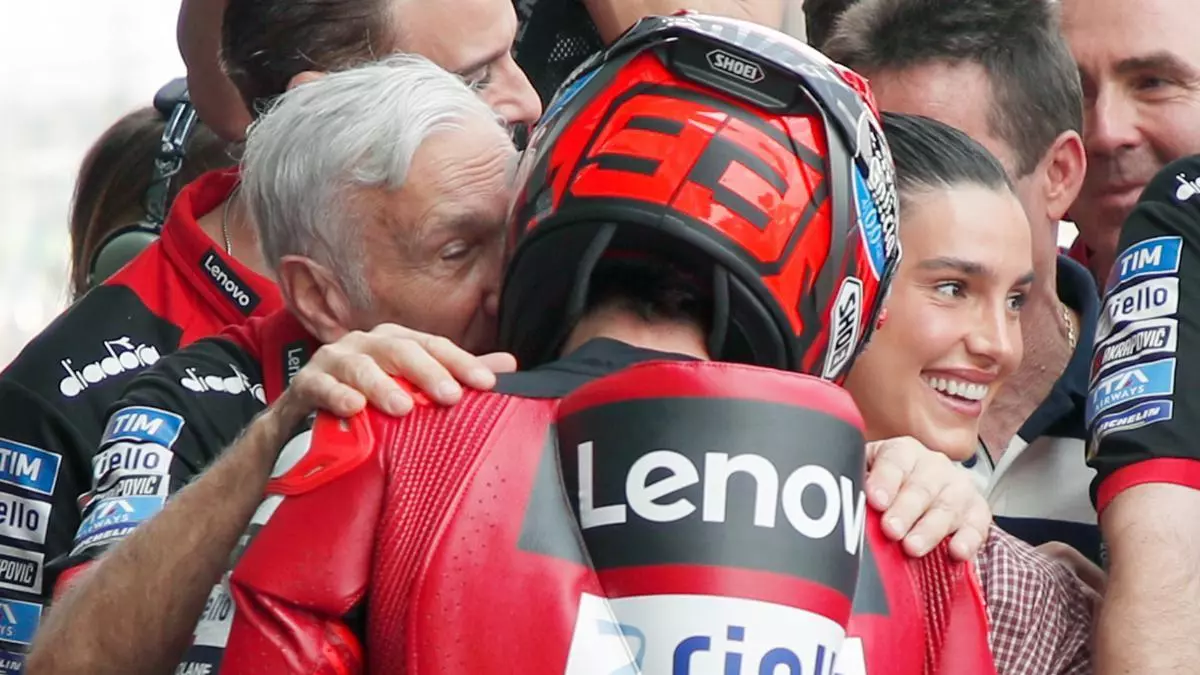
Speed can hide what the body still resists.
Austin, March 2026
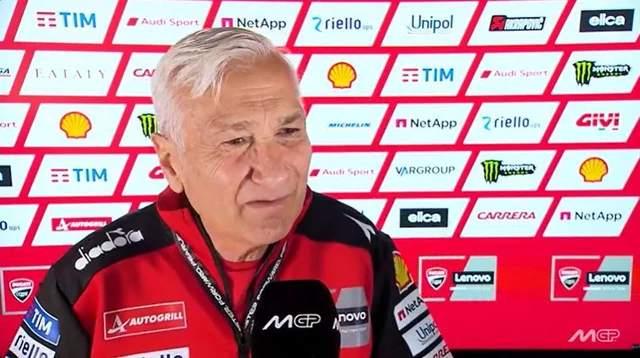
Davide Tardozzi has confirmed that Marc Marquez is still not in full physical condition, even after another competitive weekend in MotoGP. The Ducati team manager made clear that Marquez continues to carry the physical cost of his recent setbacks, a reminder that performance and recovery do not always move at the same speed. That admission matters because it comes at a moment when results can easily create the illusion of complete stability. In MotoGP, however, pace can conceal fragility until the championship begins to punish it.
The statement also reshapes how Ducati’s current season should be read. If Marquez is still delivering competitive laps without being fully restored, then part of his value lies not only in talent, but in his ability to manage discomfort without losing race relevance. At the same time, that capacity carries a limit. A long championship does not reward survival alone, and unresolved physical strain can become a strategic weakness even for the most gifted riders on the grid.
For Ducati, the issue is larger than one rider’s condition. The team is trying to stay at the center of the title fight while also responding to a season in which rivals have looked stronger and more consistent than expected. In that environment, a less than fully fit Marquez becomes both an asset and a concern. He can still alter a weekend through experience and instinct, but he also forces the team to calculate how much can be demanded before recovery begins to break down.
Tardozzi’s words therefore carry a double meaning. On one level, they explain why Marquez may not yet be operating at his absolute ceiling, even when his speed suggests otherwise. On another, they quietly warn that Ducati cannot assume its lead figures will simply return to their best form through momentum alone. Recovery in elite motorsport is never linear, and the difference between being fast and being whole often defines the season more than one podium does.
That is what makes the timing important. MotoGP is entering the phase of the calendar where accumulated strain begins to matter more, not less. A rider can compensate for discomfort over a short stretch, but repeated weekends, travel, and race intensity tend to expose whatever remains unresolved. Ducati knows that a physically limited Marquez can still fight. The deeper question is how long he can do it without the body turning the championship into a negotiation.
This also changes the way rivals may interpret the season. When a rider like Marquez remains dangerous despite not being fully fit, competitors understand that his ceiling may still be higher than what they are seeing now. That creates uncertainty across the paddock. The current version of Marquez may already be enough to stay relevant, but a stronger version later in the year could shift the balance of power much more sharply.
For Marquez himself, the challenge is familiar but no less demanding. His career has repeatedly forced him to compete at the edge between resilience and risk, often asking him to turn adaptation into a form of survival. Ducati benefits from that mentality because it gives the team a rider capable of extracting results under imperfect conditions. Yet that same mentality can also tempt a champion to carry more than the body should reasonably absorb.
What Tardozzi has done is reintroduce physical reality into a conversation that can too easily become shaped by lap times alone. Marquez remains one of the central figures in MotoGP, and his presence continues to carry title weight, commercial force, and psychological pressure for the rest of the field. But the admission from Ducati is a reminder that elite competition is never only about visible output. It is also about what the body still has to negotiate in silence.
That makes the current moment more complex than it first appears. Marquez is not absent, not collapsing, and not outside the fight. He is present, dangerous, and still limited. In a championship where small differences often define entire narratives, that combination may become one of the most decisive variables of the season.
Lo visible y lo oculto, en contexto. / The visible and the hidden, in context.