

 Phoenix 24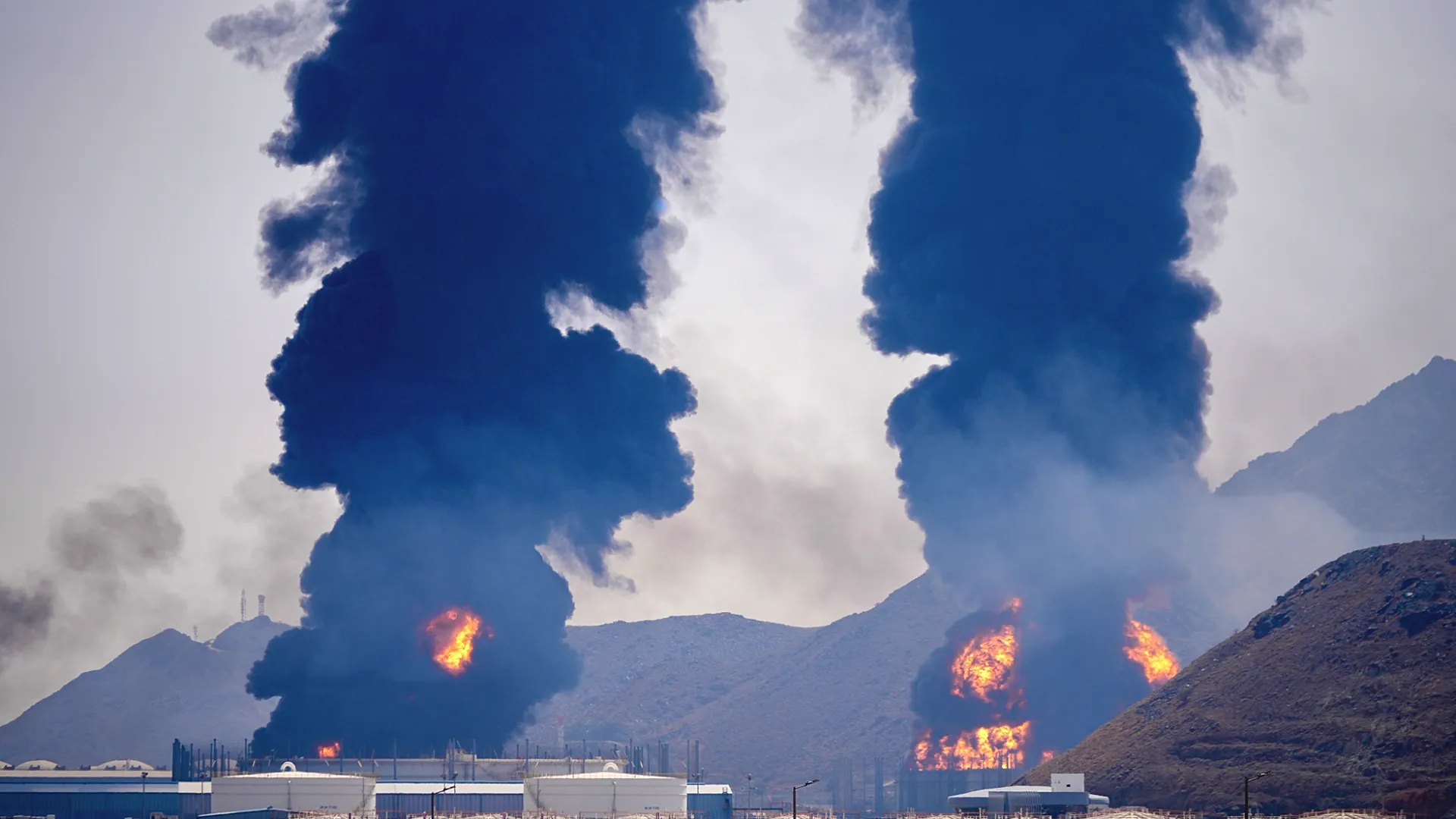
The energy war is widening fast.
Brussels, March 2026
Attacks on major energy facilities in the Gulf have sharply increased concern over the global supply of liquefied natural gas, as the conflict involving the United States, Israel and Iran spreads deeper into critical infrastructure. The latest escalation hit Qatar’s Ras Laffan industrial complex, one of the most important LNG hubs in the world, after earlier strikes on Iran’s South Pars gas field pushed the regional energy system into a far more dangerous phase.
The immediate significance of the attacks lies in scale. Damage to facilities of this kind can disrupt long-term contracts, unsettle energy markets and force exporters to revise delivery expectations. In the Gulf, where infrastructure concentration is unusually high, a strike on a single strategic hub can quickly generate consequences far beyond the region itself.
What makes this especially serious is that LNG supply is harder to reroute than oil during periods of acute disruption. Qatar remains one of the world’s leading LNG exporters, and Ras Laffan is central not only to gas shipments but also to a broader chain of energy production and export activity. Once that kind of node is damaged, the consequences move through shipping schedules, industrial supply agreements and electricity markets in Europe and Asia with unusual speed.
The current shock did not emerge in isolation. Earlier attacks on Iran’s South Pars field had already raised fears that energy infrastructure was becoming a direct target rather than a secondary risk of war. South Pars is one of the most strategically significant gas assets in the region, and any disruption there immediately alters the market’s view of supply security in the Gulf. The move from threatening energy assets to striking them directly has now changed the risk calculation in a far more serious way.
The LNG dimension matters because gas markets remain highly sensitive to sudden interruptions. Even when physical shortages do not appear immediately, the perception of risk can send prices higher, alter cargo flows and intensify competition for available shipments. That is why the latest attacks are being read not simply as another episode in a regional conflict, but as a threat to one of the central pillars of global gas trade.
The broader message from the Gulf is stark. The war is no longer confined to military assets or symbolic retaliation. It is now reaching the infrastructure that underpins energy security for multiple continents. If attacks on LNG centers continue, the fallout will not remain regional. It will move into electricity costs, industrial planning and inflation expectations far beyond the Middle East.
Phoenix24: clarity in the grey zone. / Phoenix24: clarity in the grey zone.