

 Phoenix 24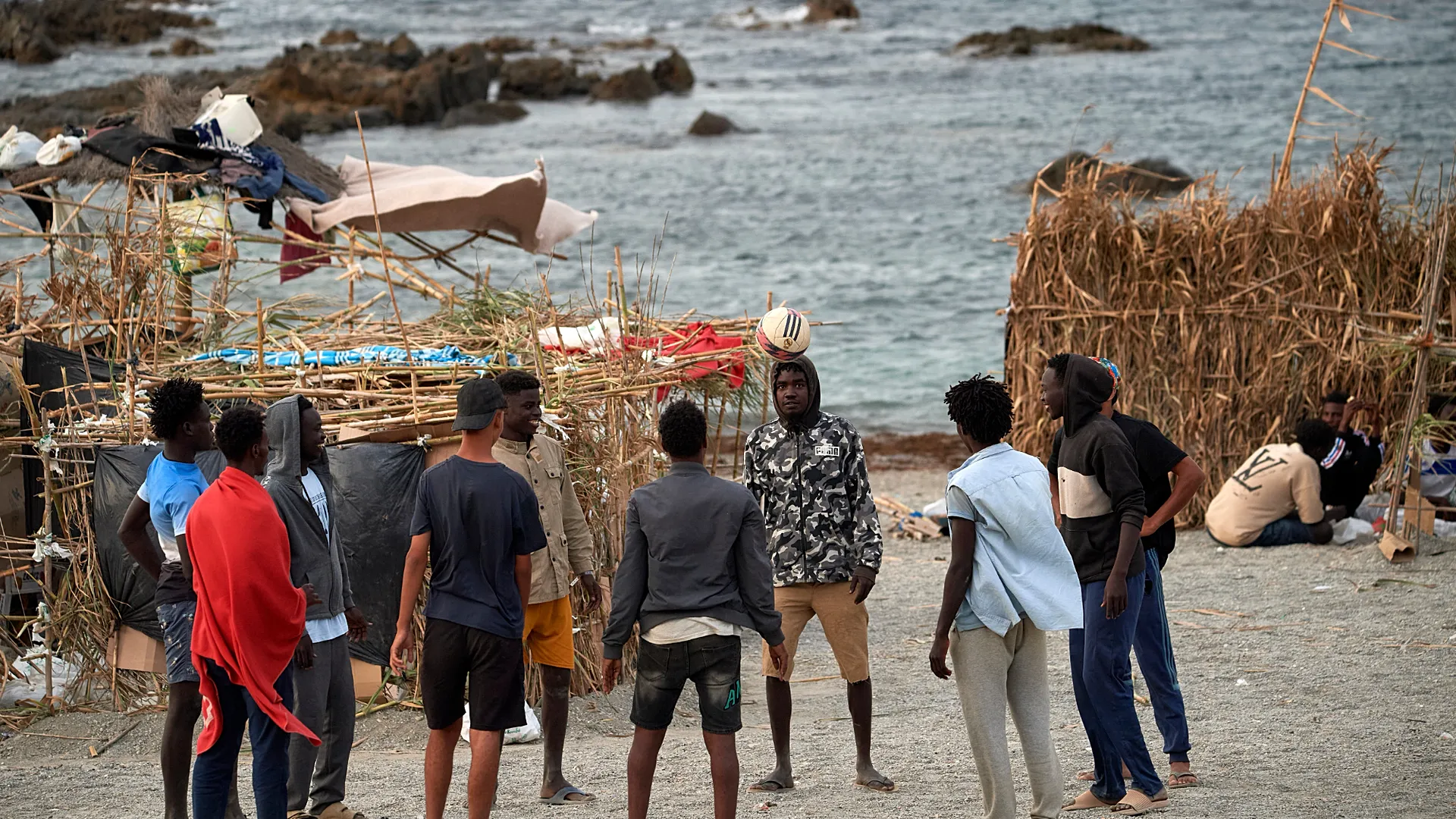
Overcrowded camps are exposing migrant women to escalating danger.
Ceuta, Spain
Spain’s Civil Guard has arrested a Moroccan man suspected of sexually assaulting a 22-year-old migrant woman on Calamocarro beach. The location lies near El Trampolín, where several migrants have established improvised sleeping areas. Both the suspect and the alleged victim reportedly entered Ceuta following the mass border crossing from Morocco. Authorities have not released their identities or provided a complete account of the circumstances.
Investigators initially considered whether the woman might have been raped, but a medical examination at Ceuta University Hospital ruled out penetration. The case nevertheless remains under investigation as an alleged non-consensual sexual act. The suspect, whose immigration status is irregular, was transferred to the National Police, which oversees identification procedures for newly arrived migrants. His arrest does not constitute a conviction, and judicial authorities must determine whether sufficient evidence exists to prosecute him.
The incident forms part of a broader protection crisis affecting women and minors in Ceuta’s overcrowded reception system. Security and judicial sources have reported approximately 15 suspected sexual assaults since the late-July influx, although those reports represent complaints or investigations rather than proven crimes. Many alleged victims are migrants themselves, and several are minors living without adequate shelter or supervision. Women staying near overloaded facilities have described sleeping close to police vehicles because they fear attacks in poorly protected beach and woodland areas.
The crisis cannot be addressed solely through arrests or immigration enforcement. Safe accommodation, adequate lighting, separate sanitation facilities, specialized patrols and trauma-informed medical assistance are essential to reduce exposure to violence. Authorities must investigate every allegation individually while resisting attempts to assign collective blame to an entire migrant population. Ceuta’s emergency has become both a border-management challenge and a test of whether vulnerable people can receive equal protection when public systems are overwhelmed.
Every silence speaks.
Cada silencio habla.