

 Phoenix 24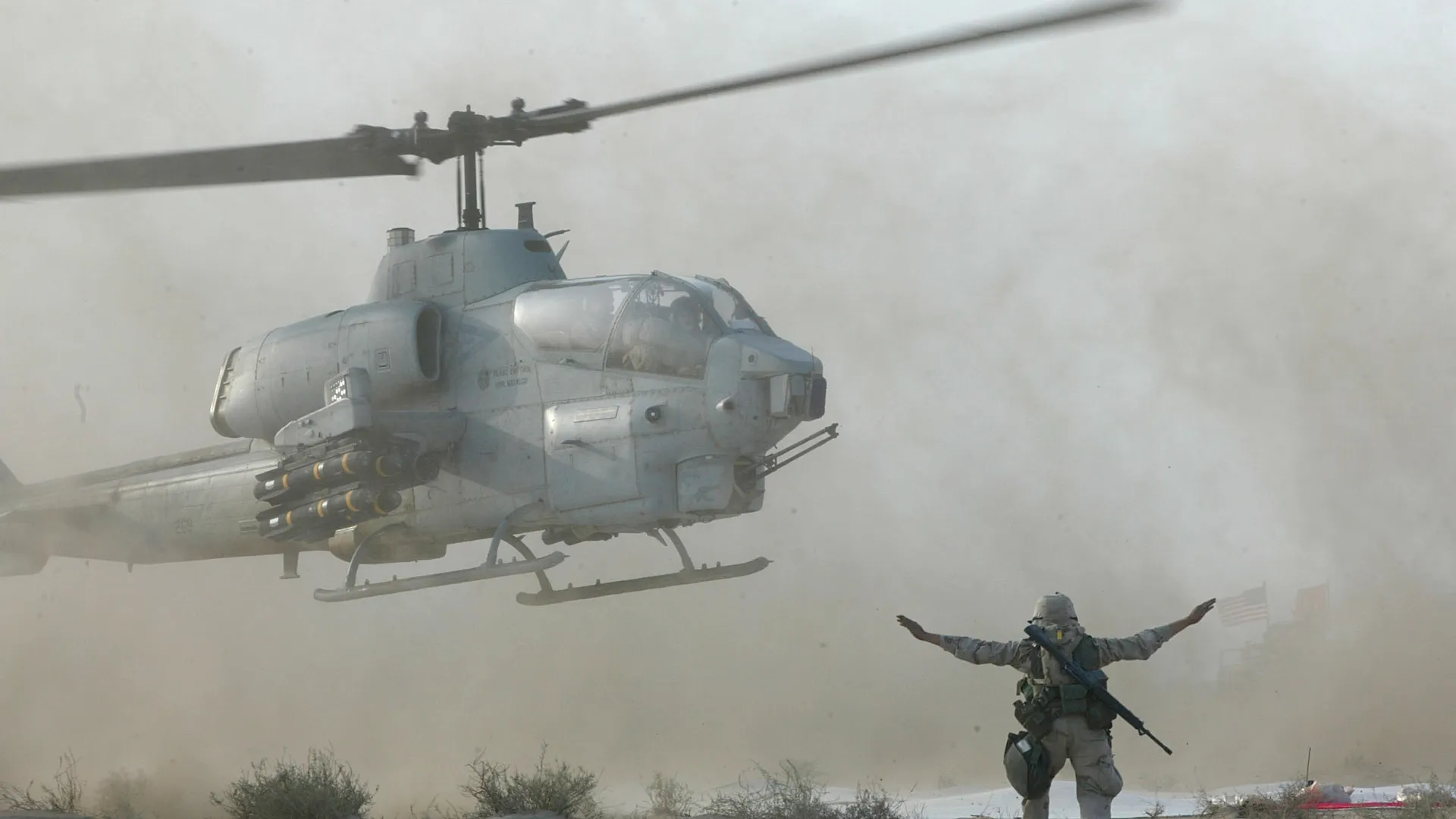
A shepherd exposed what states prefer invisible.
Anbar, May 2026. The reported discovery of a secret Israeli military site in western Iraq has pushed the Israel-Iran confrontation into a more dangerous layer of regional ambiguity. According to the account cited by European media, the installation was established in Iraq’s Anbar desert before the war with Iran, allegedly to provide operational depth, air cover and emergency capacity for Israeli missions beyond its declared battlefield. The most striking detail is not only the existence of the site, but the way it reportedly surfaced: through a local shepherd who noticed unusual helicopter movements and military activity in a sparsely populated zone.
The episode matters because Iraq is not a neutral map space. It is a state caught between Washington, Tehran, armed militias, fragile sovereignty and a political class forced to balance external pressures that rarely respect its territorial integrity. If the reported base operated without Baghdad’s clear authorization, the issue moves beyond military logistics and enters the field of covert sovereignty breach. That is precisely why the incident carries more weight than a battlefield anecdote.
The Anbar desert offers the geography that clandestine operations seek: distance, low population density, difficult monitoring and strategic proximity to Syria, Jordan, Iran and the broader Gulf theater. In military terms, such terrain can function as a temporary platform for reconnaissance, recovery missions or special operations. In political terms, however, it becomes a silent indictment of the host state’s limited capacity to control its own periphery.
The reported presence of Israeli special forces and rescue units points to a specific operational logic. Modern air campaigns do not only require aircraft, missiles and intelligence. They also require contingency corridors, extraction points and forward teams prepared for the possibility of downed pilots, failed missions or sudden escalation. What appears as a desert outpost may therefore be part of a wider architecture of shadow warfare.
The problem is that shadow warfare rarely remains hidden forever. Once exposed, it transforms into diplomatic liability, domestic pressure and militia propaganda. Iraqi officials reportedly questioned the circumstances of the incident and denounced operations carried out without coordination or authorization. That language is not merely procedural. It reflects the deeper anxiety of a state that risks becoming a battlefield managed by others.
For Israel, the alleged base would fit a doctrine of operational reach against Iran and its regional network. For the United States, the episode creates strategic discomfort because any Israeli footprint inside Iraq can be read by Iranian-backed factions as part of a wider American-aligned architecture. For Baghdad, the discovery becomes a sovereignty crisis at the worst possible moment, especially while Washington continues pressing Iraq to contain or disarm militias aligned with Tehran.
The most revealing element is the asymmetry between technology and territory. Satellites, drones, signals intelligence and special forces may dominate the modern battlefield, but the base was reportedly detected by a civilian inhabitant of the desert. That contrast is powerful: even the most sophisticated clandestine systems remain vulnerable to local eyes, tribal geography and the social intelligence of people who know the terrain better than distant planners.
The incident exposes a central pattern of the new Middle East conflict. Wars are no longer fought only through declared fronts, but through logistics, recovery nodes, deniable footprints and temporary military ecosystems. Iraq, once again, appears less as a sovereign arena than as a strategic corridor contested by larger powers. The shepherd did not merely discover a base. He revealed the hidden infrastructure of a regional war already moving beneath the surface.
La narrativa también es poder. / Narrative is power too.