

 Phoenix 24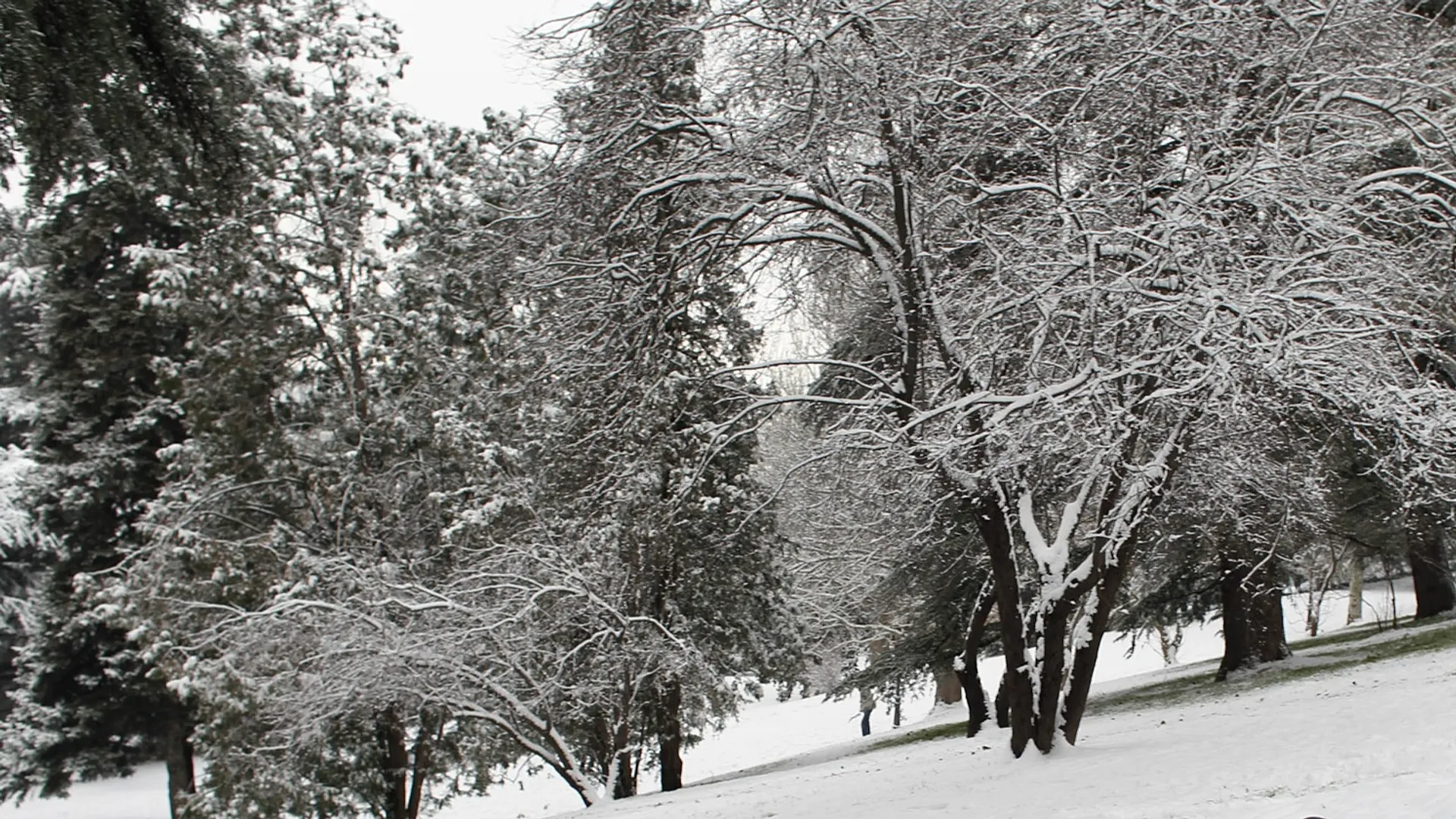
Persistent low temperatures tighten pressure on public health systems, transport networks and energy demand.
Madrid, December 2025
Spain’s national meteorological agency has activated cold weather alerts in six autonomous communities as a polar air mass settles over large parts of the country, driving temperatures well below seasonal averages and increasing the risk of widespread frost. The warnings reflect a prolonged episode rather than a brief overnight dip, with conditions expected to persist for several days and affect daily life across inland areas, high ground and exposed valleys. Authorities have emphasized the need for preventive measures as the cold snap intersects with peak winter travel and energy consumption.
The episode is being driven by a large scale atmospheric configuration that channels Arctic air southward from northern Europe toward the Iberian Peninsula. This flow has reinforced an already cold continental air mass, producing sharp nighttime temperature drops and limited daytime recovery. According to meteorological assessments, minimum temperatures below freezing are likely across broad interior zones, while mountainous areas may experience even lower readings that heighten risks for agriculture, road safety and outdoor labor.
Alerts issued by the meteorological agency span multiple regions with differing climatic profiles, including areas accustomed to winter cold and others where such sustained low temperatures are less frequent. The common factor is duration. Several consecutive nights of frost increase stress on infrastructure and human health, particularly among older populations, young children and individuals with chronic respiratory or cardiovascular conditions. Health authorities have reiterated guidance on adequate heating, layered clothing and reduced exposure during the coldest hours of the day.
Transport services are also on heightened alert. Frost formation on roads, bridges and secondary routes raises the likelihood of accidents, especially during early morning hours when ice is less visible. Regional governments have moved to coordinate road maintenance crews and emergency services, focusing on high altitude corridors and rural connections where response times can be longer. In some mountainous zones, forecasts also include the possibility of snowfall at mid and high elevations, adding complexity to logistics and mobility planning.
Beyond immediate safety concerns, the cold episode is placing upward pressure on energy demand as households rely more heavily on heating. Energy operators are monitoring consumption closely to ensure continuity of supply, while public agencies encourage efficient heating practices to reduce strain on networks. The combination of low temperatures and wind in certain areas is expected to intensify the perceived cold, a factor that can increase heating needs even when actual temperature differences appear marginal.
Meteorologists note that while winter cold spells are a normal feature of Spain’s climate, the current situation illustrates how atmospheric dynamics can still deliver intense cold events despite long term warming trends. Climate experts have pointed out that global warming does not eliminate cold extremes, but can coexist with episodes of abrupt temperature drops when circulation patterns allow polar air to advance southward. These dynamics complicate public perception of climate risk and reinforce the importance of robust early warning systems.
Institutional coordination has become central to managing the episode. Emergency services, health departments and municipal authorities are aligning their responses to ensure vulnerable populations receive support. Measures include outreach to isolated communities, checks on elderly residents living alone and adjustments to school and work schedules in areas most affected by frost and potential snow. Farmers are also assessing potential impacts on winter crops, livestock and irrigation systems exposed to freezing conditions.
Forecast models suggest that the persistence of the cold will depend on how the polar air mass interacts with Atlantic systems approaching from the west. Any shift in wind direction or pressure patterns could gradually moderate temperatures, but officials caution against assuming a rapid return to milder conditions. Continuous updates remain essential as small changes in atmospheric behavior can significantly alter local outcomes.
As the episode unfolds, authorities are urging the public to stay informed through official channels and to adapt routines accordingly. The current cold snap underscores the operational challenges posed by winter extremes and the need for preparedness that spans health, transport and energy systems in an increasingly variable climate.
Every silence speaks.