

 Phoenix 24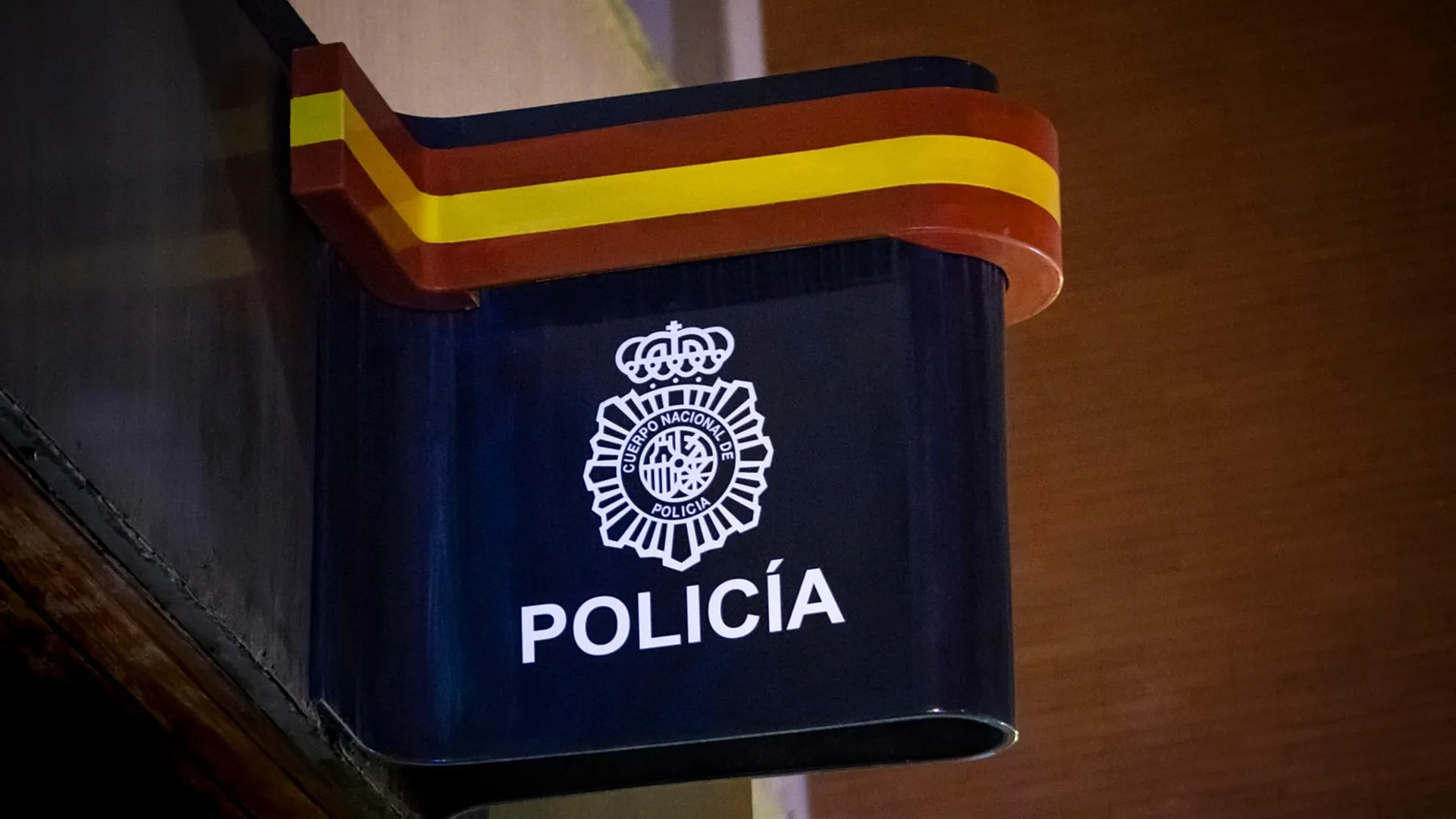
Secrecy surrounds a case still under investigation.
Melilla | July 2026
Spain’s National Police arrested a man in Melilla on July 14 during a new operation investigating suspected offenses connected with jihadist terrorism. The action was directed by the National Court, Spain’s central judicial authority for serious terrorism cases, and remains under a secrecy order. It is the fourth counterterrorism operation conducted in the autonomous city since the beginning of 2026.
Authorities have not released the detainee’s identity, nationality, age or personal background. They have also withheld information about the conduct under investigation, the possible scope of his alleged activities and any material recovered during the operation. The arrested man must therefore be treated as a suspect whose criminal responsibility has not been established.
The investigation remains active, and police have not ruled out further arrests. That detail indicates that investigators may still be examining contacts, communications or additional evidence, although no official confirmation has been provided about the existence of a wider network. Judicial secrecy is intended to protect the inquiry and prevent potential suspects from altering evidence or evading detection.
The absence of public details limits any reliable assessment of the operational threat. It is not yet known whether the investigation concerns propaganda distribution, online radicalization, recruitment, financing, logistical support or preparation for violence. Presenting any of those possibilities as confirmed would go beyond the information released by the authorities.
The arrest nevertheless draws attention because of the concentration of anti-jihadist operations in Melilla during 2026. Three previous interventions had already taken place in the city before Tuesday’s action. The sequence reflects continued police attention to extremist activity in a territory whose geographical and social conditions require close cooperation among security, intelligence and judicial institutions.
One of the earlier cases occurred in February and involved a man accused of using social networks to disseminate jihadist propaganda and target young women for recruitment. That investigation was conducted with the cooperation of Spain’s National Intelligence Centre and resulted in the suspect being placed in pretrial detention. The current case has not been officially linked to that operation.
Digital environments have become central to contemporary counterterrorism investigations. Extremist organizations and their supporters can use encrypted communications, video platforms, social networks and private messaging channels to distribute propaganda and identify vulnerable individuals. Radicalization may develop without conventional membership in a formally organized cell.
That transformation complicates the work of investigators. Authorities must distinguish between protected expression, exposure to extremist content and conduct that may constitute indoctrination, recruitment, glorification or operational collaboration. The legal threshold requires evidence and judicial supervision rather than conclusions based solely on ideology, religion or online behavior.
Melilla’s location on the northern coast of Africa gives it particular strategic importance. The Spanish autonomous city shares a land border with Morocco and operates as a point of connection among Europe, the Maghreb and Mediterranean migration routes. Those characteristics create legitimate security challenges, but they also demand precision to prevent counterterrorism from producing suspicion toward entire communities.
Effective prevention depends heavily on cooperation with local residents. Families, educators, religious leaders, social organizations and public services may detect behavioral changes or recruitment efforts before they become visible to national institutions. Trust is therefore an operational asset rather than only a social objective.
Indiscriminate stigmatization can weaken that trust. Treating Muslim communities as collectively responsible for extremist violence may discourage cooperation and reinforce the narratives used by radical organizations to present society as hostile. Counterterrorism becomes more effective when it isolates violent actors without confusing religious identity with criminal conduct.
Spain’s experience with jihadist terrorism has led to a prevention system combining intelligence collection, international cooperation, judicial investigations and monitoring of online propaganda. Operations are frequently coordinated through the National Court because terrorism inquiries can involve several regions, foreign contacts and evidence obtained through specialized surveillance.
The National Police’s General Information Commissariat plays a central role in those investigations. Its work can include analyzing communications, identifying recruitment patterns and coordinating with intelligence services or international security agencies. Judicial authorization is essential when investigative measures affect fundamental rights such as privacy and communications secrecy.
The secrecy surrounding the Melilla case may continue until investigators determine that releasing information will no longer compromise the operation. At that stage, authorities may clarify the alleged offenses, describe any seized material and explain whether the suspect acted alone or maintained connections with others. Until then, uncertainty should not be filled with speculation.
The possibility of additional detentions does not necessarily mean that an organized cell has been identified. Police commonly leave that option open during active investigations because electronic devices and communications may reveal new individuals requiring examination. Some contacts may ultimately prove irrelevant or unrelated to criminal activity.
The operation also demonstrates the preventive orientation of modern counterterrorism. Security agencies often intervene before an attack occurs, investigating alleged recruitment, preparation or ideological training rather than waiting for operational violence. That approach can save lives, but it must remain supported by verifiable evidence and independent judicial control.
Public communication becomes particularly delicate in these cases. Authorities must provide enough information to maintain transparency without revealing methods or compromising ongoing inquiries. Media organizations also carry responsibility for using terms such as suspect, alleged and investigated accurately.
The fourth operation in Melilla this year does not by itself prove that the city faces an imminent or generalized threat. It confirms that security agencies are conducting repeated investigations connected with jihadist extremism in the territory. The meaning of that pattern will depend on the evidence eventually presented in each separate case.
For residents, the priority is that institutions protect security without weakening coexistence or fundamental rights. A democratic response to terrorism must prevent violence while preserving due process and avoiding collective blame. The legitimacy of the operation will ultimately depend not on the intensity of its public impact, but on the quality of the evidence and the fairness of the judicial process.
La seguridad exige pruebas, no prejuicios. / Security requires evidence, not prejudice.