

 Phoenix 24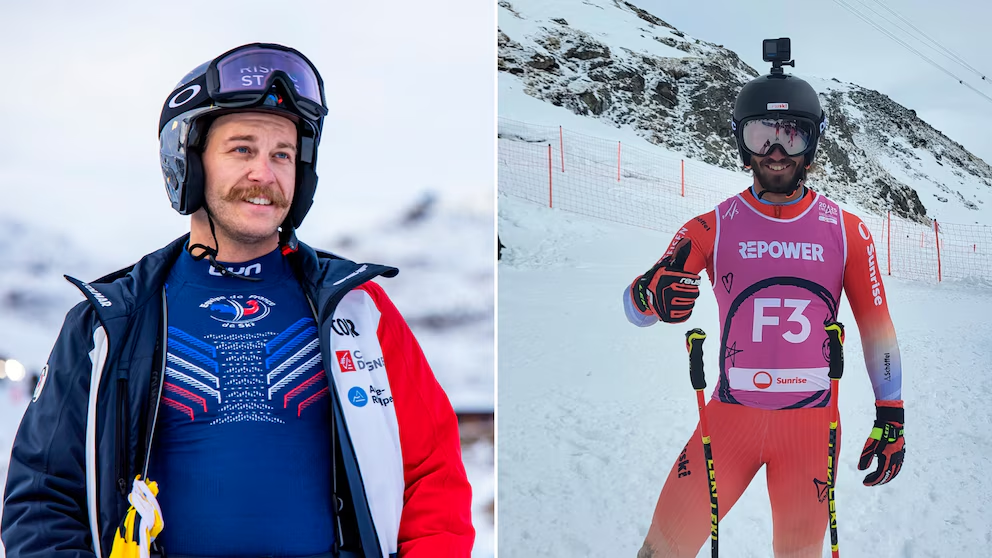
In a sport defined by split second decisions and high velocity, one fall changed the outcome of a championship run and triggered an emotional confrontation that echoed well beyond the finish line.
At the Ski Cross World Cup event in Switzerland the athlete known as Furia was eliminated from the quarterfinal round after suffering a significant crash that abruptly ended his race and dashed his hopes of advancing. Ski cross is a discipline in which multiple competitors descend a course simultaneously navigating steep turns jumps and challenging terrain while jockeying for position at high speed. The nature of the sport means that contact between racers is common and that the difference between success and elimination is often measured in fractions of a second. On this occasion Furia’s momentum carried him into a collision with another racer midcourse and he lost control of his skis leading to a fall that not only ended his run but also created immediate frustration and tension.
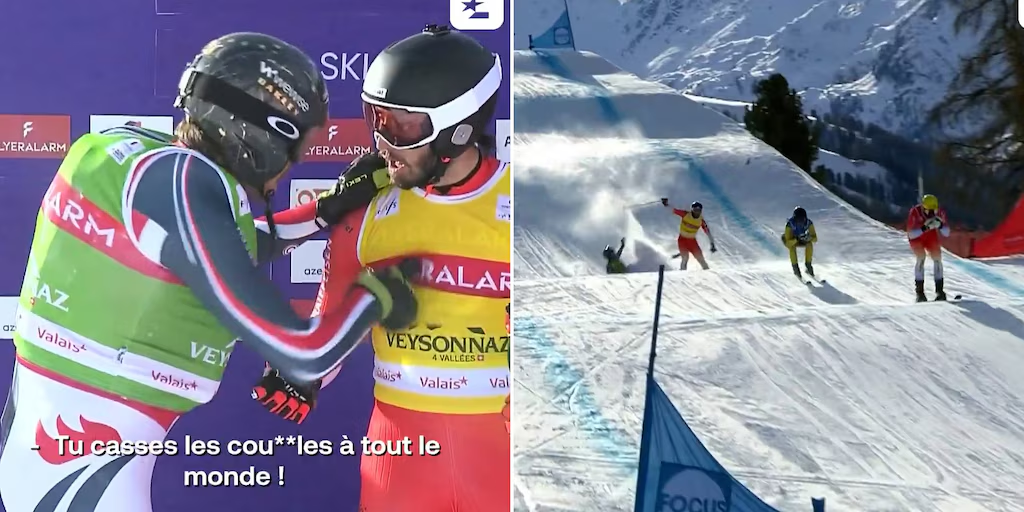
What followed the crash became as much a story as the sporting result itself. As Furia exited the course and immediately entered into a post race media setting he did not confine his remarks to reflections on performance or the inherent risks of the sport. Instead he directly confronted the rival he believed was responsible for the incident interrupting his own interview to voice his displeasure. Athletes at this level are generally expected to manage their public responses with a degree of professionalism even under intense emotional strain, but in the heat of the moment Furia’s visible agitation and direct challenge highlighted the psychological toll that sudden elimination can exact on elite competitors.
The format of ski cross intensifies such moments because competitors do not race against the clock alone but engage directly with each other on the same snow track. Tactical positioning matters as much as technical skill and the close proximity amplifies the likelihood that even minor miscalculations or physical contact will determine advancement or elimination. This dynamic can produce dramatic endings and sometimes contentious reactions among athletes and spectators alike. In this event the confrontation underscored how deeply invested racers are in their performance and how quickly competitive intensity can spill into interpersonal disputes when outcomes are decided in the blink of an eye.
Furia’s reaction was immediate and forceful. Rather than focusing solely on his own performance or expressing a measured disappointment he chose to channel his frustration into a direct appeal that identified another athlete as the cause of his fall. Post race interviews at World Cup level typically balance a reflection on what went right or wrong with considerations of sportsmanship and future prospects. In this case the deviation from that norm attracted attention and sparked debate across the winter sport community about appropriate conduct and emotional regulation under competitive pressure.
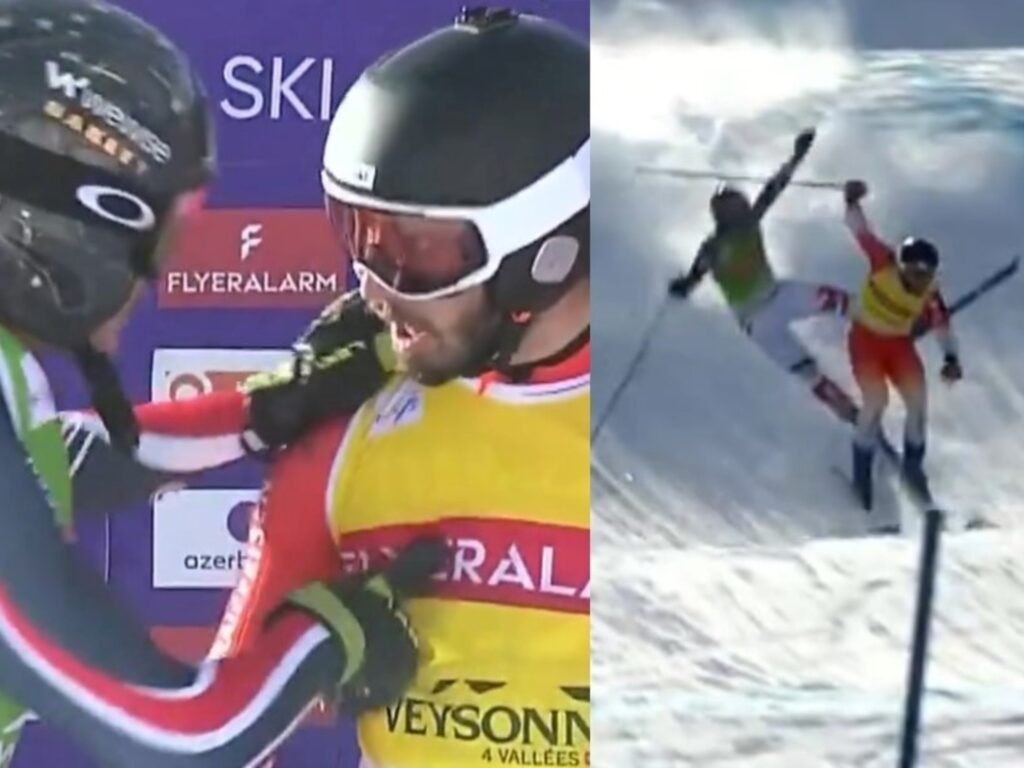
Reactions to the incident were varied. Some observers expressed sympathy for the physical dangers inherent in ski cross and acknowledged that athletes invest years of training only to have their efforts undone in a single moment. Others criticized the emotional outburst as unprofessional or premature arguing that confrontation in front of the media detracted from the broader narrative of athletic excellence and resilience. Elite sport audiences are accustomed to fierce competition and close finishes, but there remains an expectation that athletes uphold a degree of composure in public engagement even when faced with frustration and disappointment.
For Furia the immediate consequence was elimination from a key stage of the World Cup, an outcome that affects both ranking points and momentum in a season where consistency is crucial. The loss of potential advancement alters the competitive landscape for subsequent rounds and reshapes the strategies of both Furia and his rivals as the season progresses. For the athlete implicated in the collision the incident may prompt further scrutiny on racing behavior and tactical approaches in future heats. Coaches competitors and analysts may revisit strategies for proximity racing where physical contact is part of the dynamic and where decisions made in fractions of a second can carry significant weight.
Beyond the individual athletes involved the incident serves as a reminder that in sports where competitors push the limits of speed and control the boundary between competitive edge and conflict can be narrow. Elite winter sport events are broadcast on global stages with large audiences and intense media attention. Confrontations between athletes after races can dominate headlines and alter the narrative around a given event drawing attention not only to athletic performance but also to interpersonal dynamics and cultural norms that govern elite sport conduct.
This episode at the Ski Cross World Cup reinforces how sport operates as both competition and spectacle where decisive moments on the course can cascade into emotional responses and public discourse off it. The interplay between physical risk strategic decision making and human psychology is ever present in disciplines that combine raw speed with tactical racing. When the lines between athletic challenge and interpersonal confrontation blur in real time the public conversation moves beyond results and rankings to include questions about behavior expectation and the emotional realities of high performance sport. Behind every fall in elite competition there is a convergence of skill pressure and human reaction that shapes not only the outcome of a race but the narrative that follows it.