

 Phoenix 24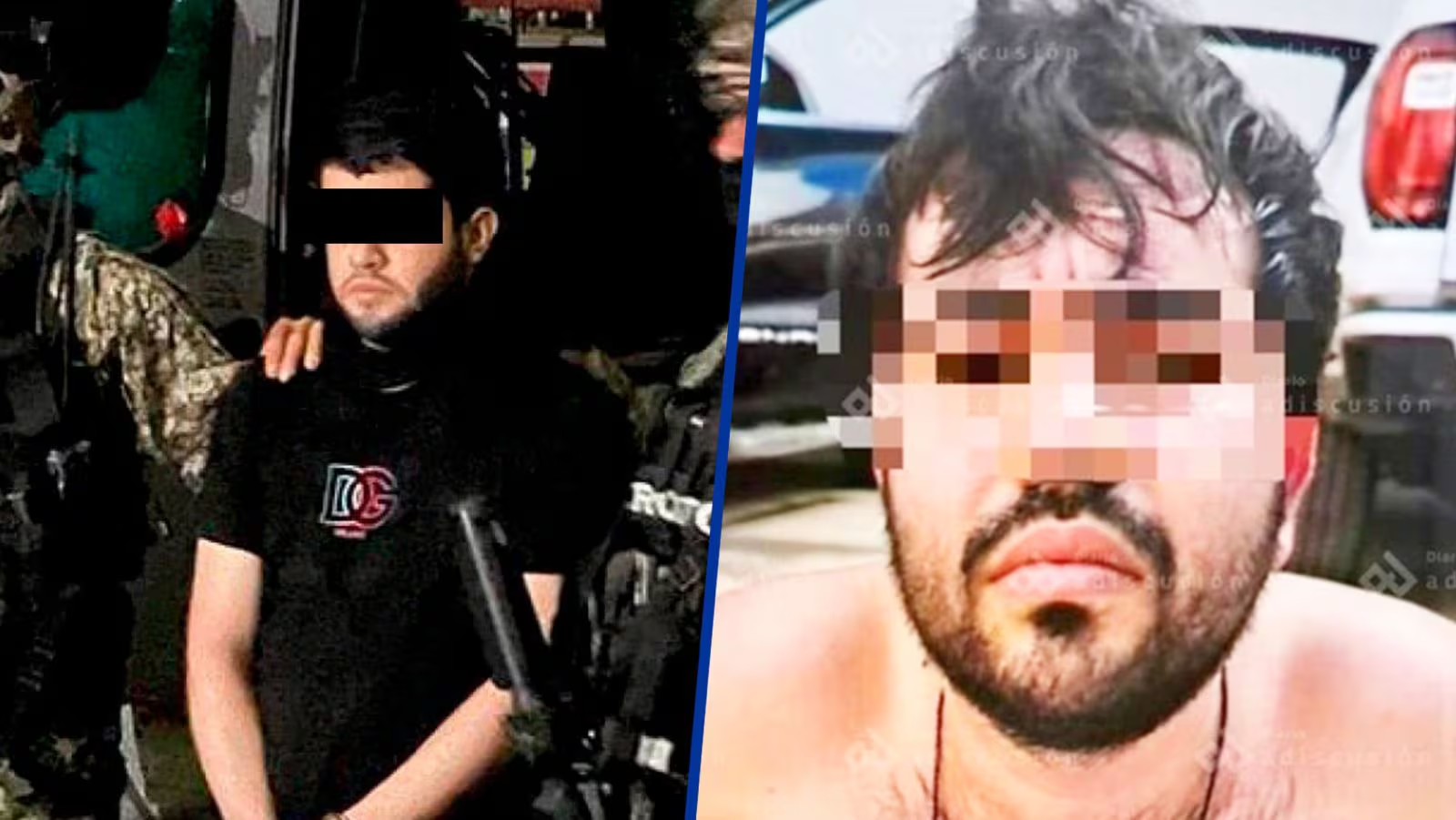
The arrests reveal the fracture, not the end.
Culiacán, May 2026.
Mexican security forces have arrested 14 command-level operators linked to the Sinaloa Cartel between November 2024 and May 2026, in the middle of the internal war between Los Chapitos and Los Mayos. The captures include regional bosses, security chiefs, pilots, logistical links and armed-cell coordinators operating across Sinaloa and Sonora.
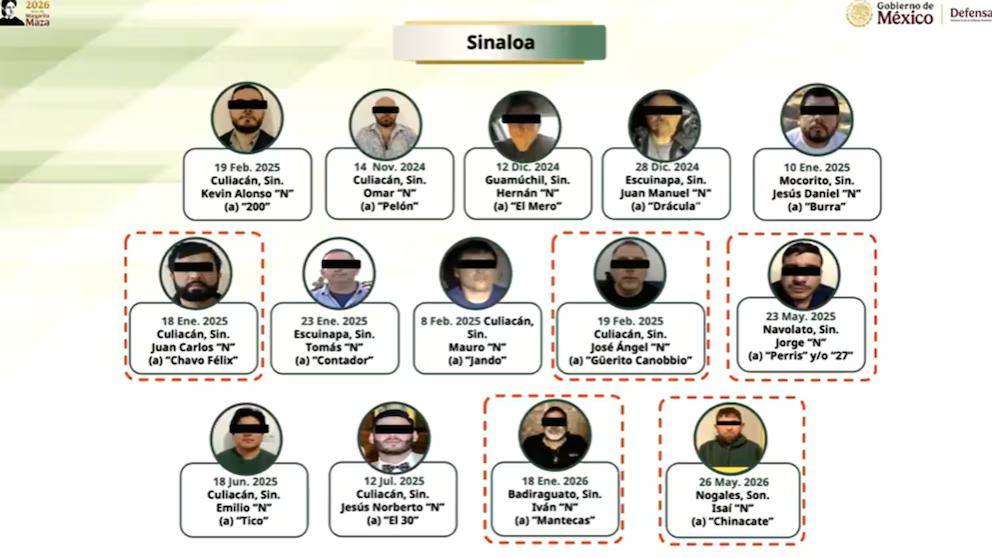
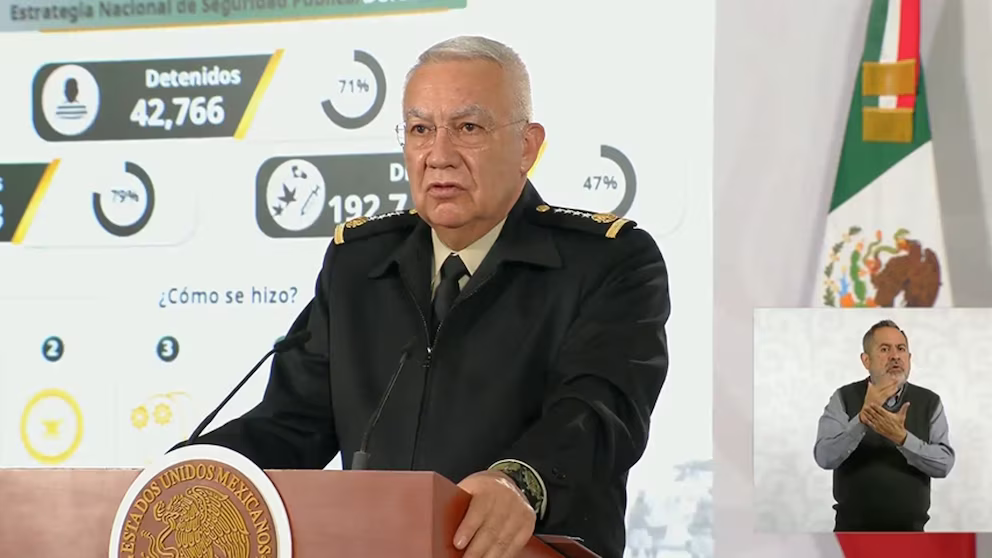
The figures show a state offensive aimed at weakening both sides of the criminal split. Yet they also expose the depth of the cartel’s territorial architecture. When 14 relevant operators can fall in less than two years and the conflict still continues, the problem is no longer only leadership. It is organizational reproduction.
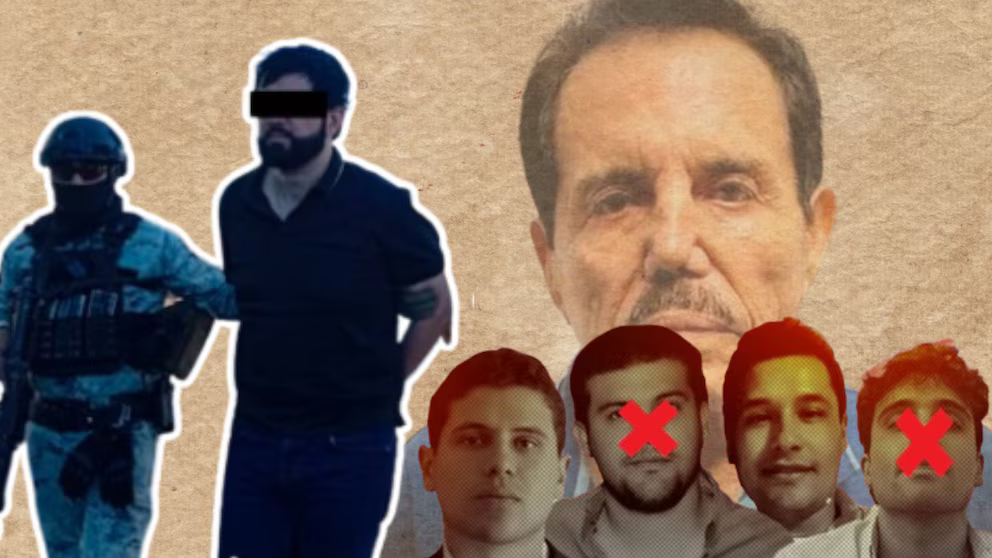
The rupture between the sons of Joaquín “El Chapo” Guzmán and the faction aligned with Ismael “El Mayo” Zambada has turned Sinaloa into a map of fragmented sovereignty. Each detention removes a node, but the war adapts through replacement, local alliances and armed pressure over municipalities, routes and communities. The cartel is not behaving like a single hierarchy. It is operating as a violent ecosystem.
The political dimension is unavoidable. The internal cartel war now intersects with U.S. pressure, judicial proceedings, extradition debates and accusations involving Sinaloa’s institutional environment. That convergence transforms each arrest into more than a police statistic. It becomes part of a larger struggle over who controls the narrative of security, sovereignty and cooperation with Washington.
Mexico can claim operational progress, and the arrests matter. But the deeper question remains unresolved: whether dismantling commanders can actually reduce a criminal economy that has already learned how to survive decapitation. In Sinaloa, the fall of bosses does not automatically mean the fall of power. It may only mark the next phase of a war that keeps reorganizing itself.
Más allá de la noticia, el patrón. / Beyond the news, the pattern.