

 Phoenix 24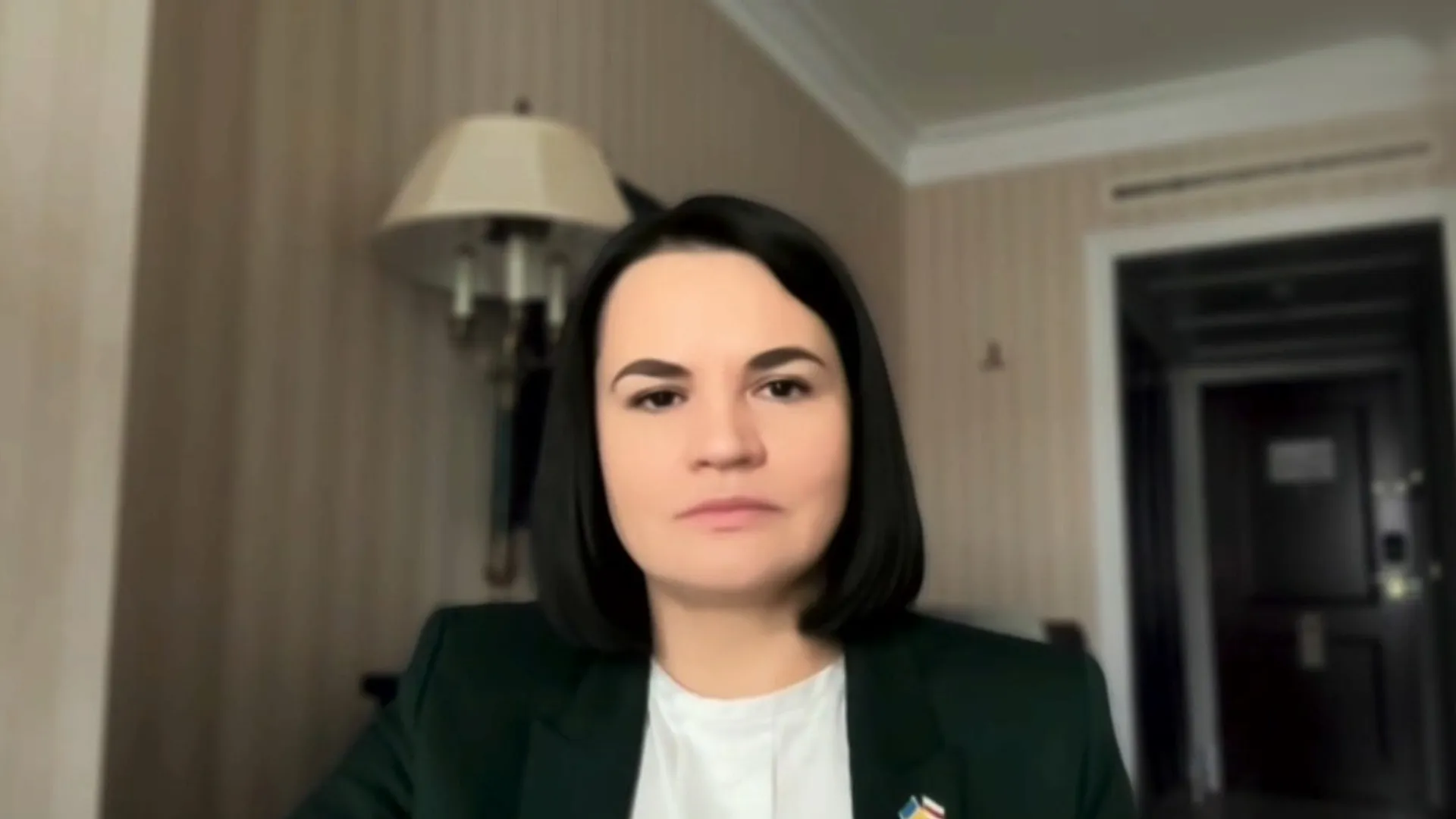
Minsk is no longer a passive flank.
Kyiv, May 2026
Sviatlana Tsikhanouskaya warned that Alexander Lukashenko will follow Vladimir Putin’s orders if Moscow demands deeper Belarusian involvement in the war against Ukraine. Her statement came during a visit to Kyiv, amid Ukrainian concerns that Russia could again use Belarusian territory to pressure the northern front and threaten routes toward the capital.
The warning matters because Belarus is not simply Russia’s ally; it is the platform through which Moscow has already expanded the geography of war. Lukashenko insists that Belarus does not seek direct entry into the conflict, but his dependence on Putin narrows the space between neutrality, complicity and obedience. In that ambiguity, Minsk becomes useful precisely because it can deny escalation while preparing for it.
Tsikhanouskaya’s message also reframes Belarus as a contested society rather than a unified instrument of the Kremlin. She argues that Lukashenko acts against the will of Belarusians, turning the country’s territory, military infrastructure and political captivity into assets for Russian strategy. That distinction is central: the regime may align with Moscow, but the nation cannot be reduced to the regime.
For Ukraine and Europe, the risk is not only another attack corridor. It is the normalization of authoritarian subcontracting, where one state absorbs the political cost of another power’s military ambition. Belarus now stands as a warning that sovereignty can survive on paper while being emptied operationally from within.
Lo visible y lo oculto, en contexto. / The visible and the hidden, in context.