

 Mario López Ayala, PhD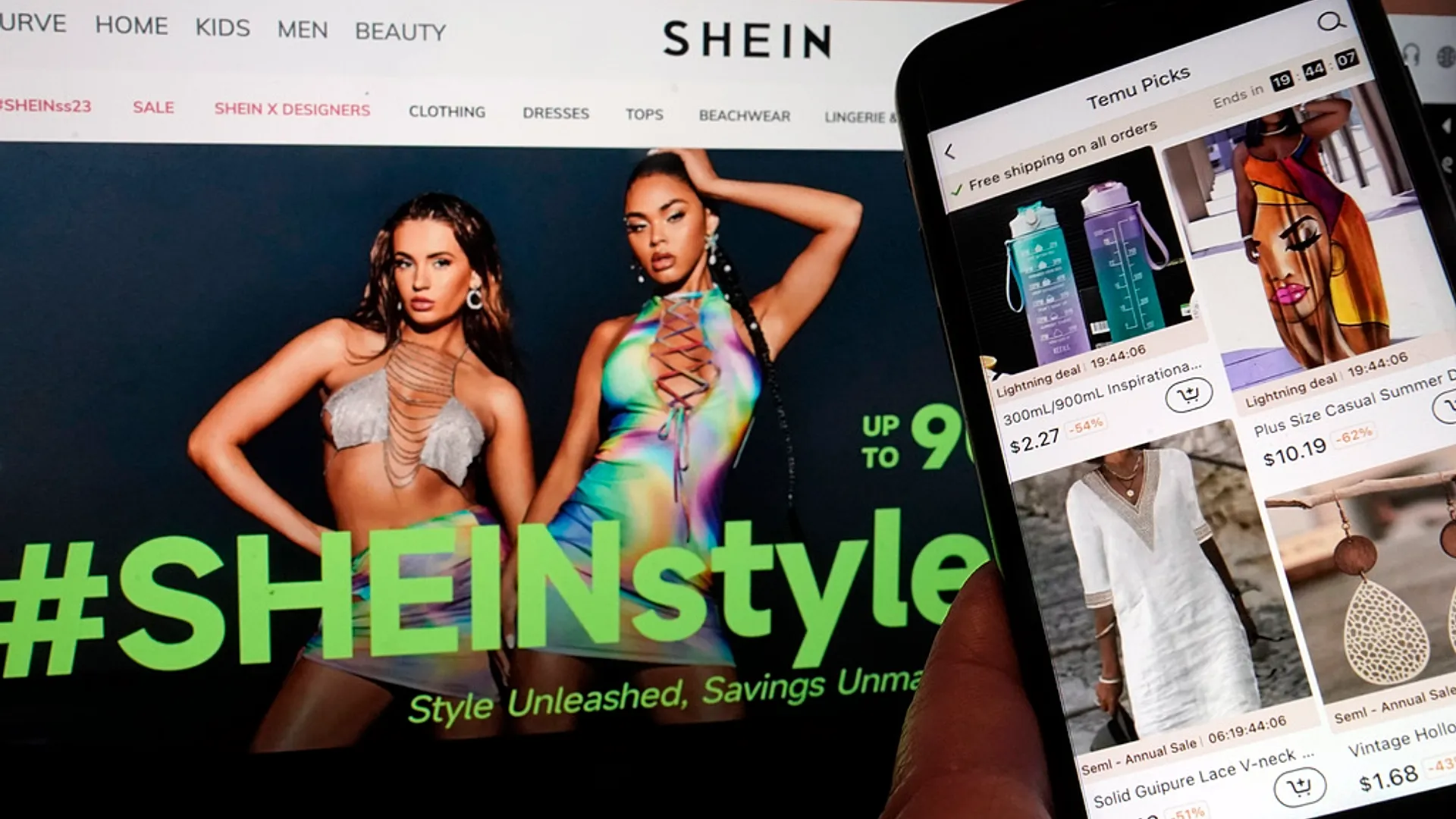
A digital disruptor steps into the physical world, only to meet a wall of resistance from lawmakers, activists, and the fashion establishment.
Paris, October 2025
Chinese fast-fashion giant Shein, one of the most influential players in global e-commerce, is facing a storm of public backlash as it prepares to open its first permanent physical stores in France. What was meant to be a strategic expansion into European retail has instead become a lightning rod for debates about labor exploitation, sustainability, consumer culture, and economic sovereignty. The company’s plan to establish stores in key locations, including within BHV’s flagship in Paris and Galeries Lafayette branches across several cities, has triggered protests, legal scrutiny, and even calls for outright bans.
The reaction to Shein’s move goes far beyond a simple business rivalry. French fashion associations accuse the company of flooding the market with ultra-cheap garments that undercut domestic producers and devalue craftsmanship. Industry leaders argue that decades of heritage, artisanal techniques, and local employment are being jeopardized by a business model built on low-cost mass production and rapid turnover. For many designers, this is not merely an economic issue but a cultural one, threatening France’s long-standing reputation as a global fashion capital.
Consumer activists and environmental groups have amplified the resistance, staging demonstrations in major cities and targeting Shein stores with graffiti and coordinated boycotts. A petition demanding restrictions on Shein’s advertising has collected hundreds of thousands of signatures, and social media campaigns calling for a boycott of the brand have gone viral. Protesters argue that the company epitomizes the worst excesses of fast fashion, producing disposable clothing at enormous environmental cost and with little regard for ethical labor standards.
The backlash has also reached the political arena. The French Senate recently advanced a sweeping bill aimed at curbing the ecological and social damage caused by ultra-fast fashion. Proposed measures include higher taxes on low-cost clothing, restrictions on advertising for companies whose business models encourage overconsumption, and new transparency requirements regarding supply chains and carbon footprints. Analysts see the legislation as a direct response to Shein’s rapid expansion and as a signal that France intends to use policy tools to shape the future of its retail landscape.
Shein, for its part, has sought to portray its physical expansion as a natural evolution of its business model. Company representatives argue that French consumers have repeatedly expressed a desire for physical points of sale where they can see and try on products before purchasing. They emphasize that the new stores will create hundreds of jobs and help the company adapt to European consumer preferences. However, critics see these arguments as superficial and accuse the company of attempting to normalize practices that are fundamentally unsustainable.
The operational challenges of opening physical stores also present risks for Shein. The company’s success has long depended on its lean, inventory-light e-commerce model, which minimizes costs and maximizes responsiveness to shifting trends. Entering the physical retail market requires significant investments in logistics, staffing, and inventory management, potentially eroding the razor-thin margins that fuel Shein’s dominance online. Moreover, establishing a physical presence in France exposes the company to stricter local regulations and labor laws than it faces in its digital operations.
Internationally, the controversy surrounding Shein’s expansion reflects broader tensions over globalization, trade policy, and sustainability. The European Union has introduced new regulations requiring greater corporate accountability on carbon emissions, labor practices, and product traceability. These initiatives are part of a larger effort to hold multinational companies accountable for the social and environmental impact of their global supply chains. As a result, Shein’s business model — built on rapid production cycles and outsourced manufacturing — faces mounting pressure to adapt.
Public opinion in France is deeply divided. While some consumers welcome the affordability and accessibility of Shein’s products, others view them as symbols of a throwaway culture that prioritizes quantity over quality and convenience over conscience. The protests unfolding across French cities reflect a deeper societal debate about consumption, sustainability, and the kind of economic model citizens want to support.
The outcome of this confrontation could have far-reaching consequences for the global fashion industry. If France succeeds in imposing new regulatory standards or significantly curbing Shein’s influence, other European markets may follow suit, reshaping the landscape for fast-fashion retailers across the continent. On the other hand, if Shein overcomes the backlash and establishes a strong physical presence, it could cement its position as a dominant global retailer and set a precedent for how e-commerce giants expand into traditional retail spaces.
What is clear is that Shein’s arrival on French soil is more than a business story. It is a flashpoint in a larger cultural and political battle over how fashion is made, sold, and consumed in an era defined by climate urgency and economic inequality. As the company prepares to cut the ribbon on its new stores, it faces not only market competition but also a determined coalition of activists, lawmakers, and industry veterans determined to make this expansion a turning point in the fight for a more sustainable fashion future.
Beyond the news, the pattern. / Más allá de la noticia, el patrón.