

 Phoenix 24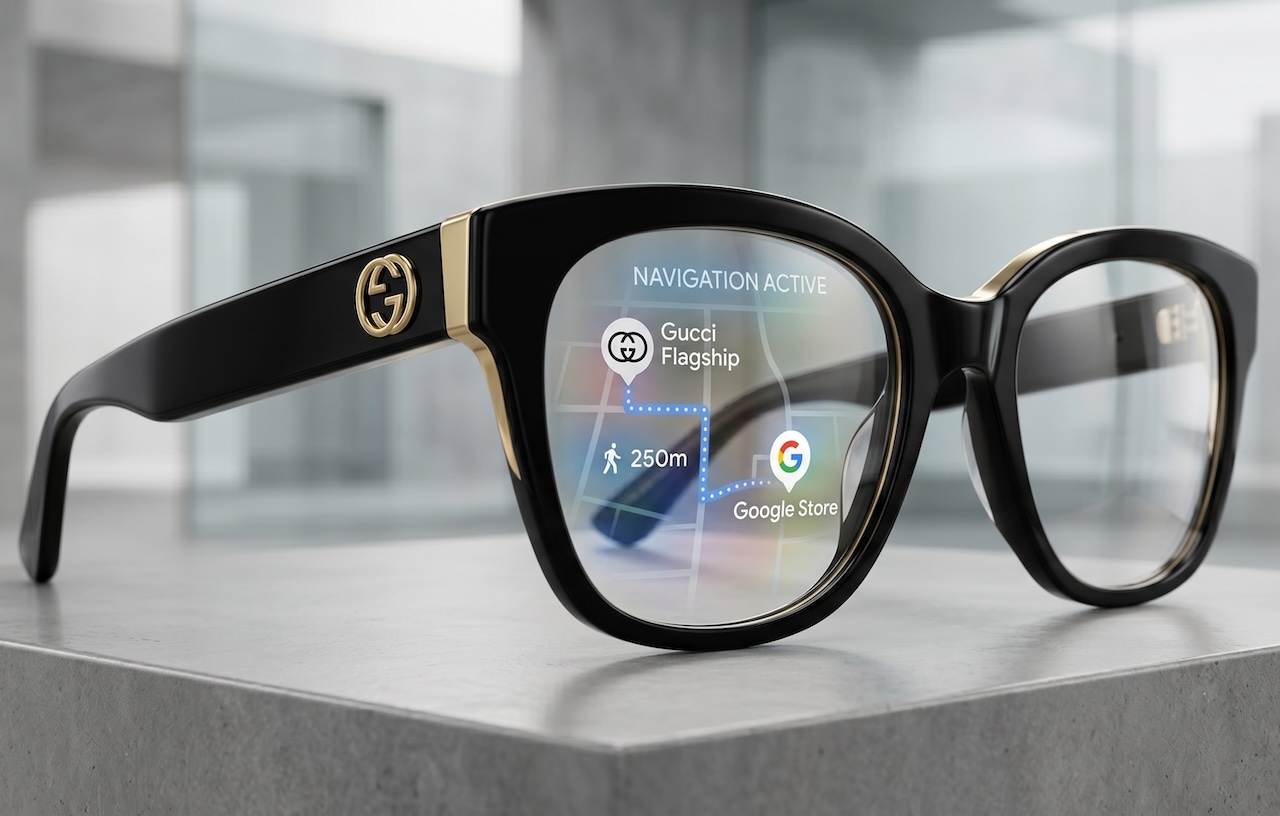
The next screen may be worn, not held.
Global, April 2026. Google’s future smart glasses, expected for 2027 with the backing of Gucci, point to a strategic alliance between artificial intelligence, wearable computing and luxury fashion. The move places Google back in a market it once entered too early with Google Glass, but this time the company appears to understand a harder lesson: smart glasses must be desirable before they can become useful.
The partnership with Gucci gives the project a different entry point. Instead of presenting the device only as technology, Google can position it as an object of style, status and everyday identity. That matters because glasses sit on the face, where design resistance is stronger than with phones, watches or earbuds.
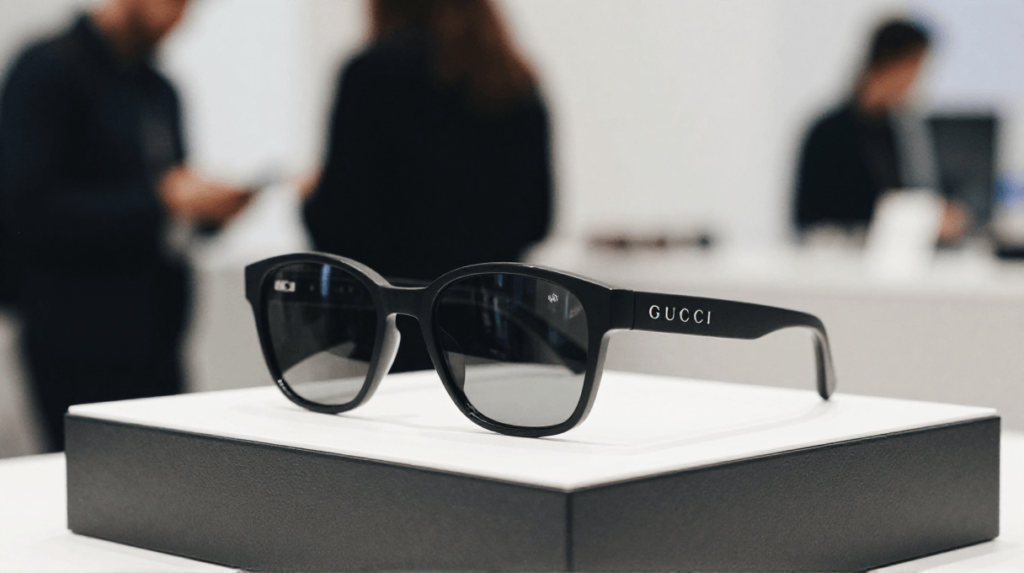
The device is expected to connect with Google’s Android XR ecosystem and artificial intelligence services, potentially supporting functions such as notifications, navigation, translation and contextual assistance. The technical promise is important, but the commercial challenge is deeper: convincing users that wearing AI on their face feels natural, elegant and socially acceptable.
Gucci’s role is therefore not decorative. It helps solve one of the central problems of wearable technology: cultural adoption. A product can be advanced and still fail if people feel awkward using it in public. Fashion gives technology permission to enter spaces where raw engineering often looks intrusive.

The competition is already taking shape. Meta has pushed smart glasses through its Ray-Ban partnership, while Apple is expected to continue exploring the post-smartphone category. Google’s alliance with Gucci suggests that the next hardware battle will not be fought only through processors and cameras, but through aesthetics, identity and trust.
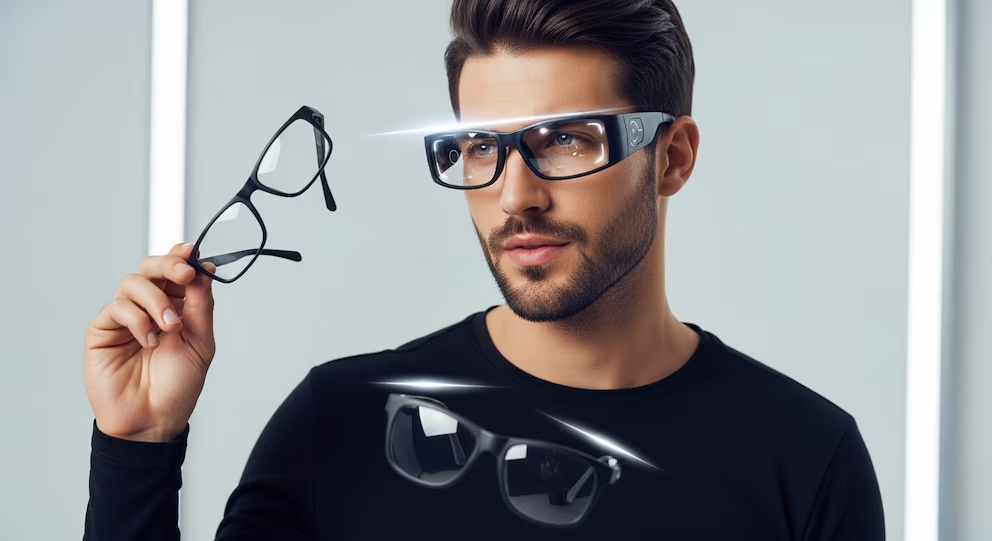
Privacy will remain the unresolved question. Glasses with cameras, microphones and AI assistance can generate convenience, but also discomfort among people who do not know when they are being recorded, analyzed or assisted by invisible systems. The more intimate the device becomes, the sharper the social debate will be.
Google is not simply preparing another gadget. It is trying to reenter the future of personal computing through the face, the body and the language of luxury.
Detrás de cada dato, hay una intención. Detrás de cada silencio, una estructura.