

 Phoenix 24
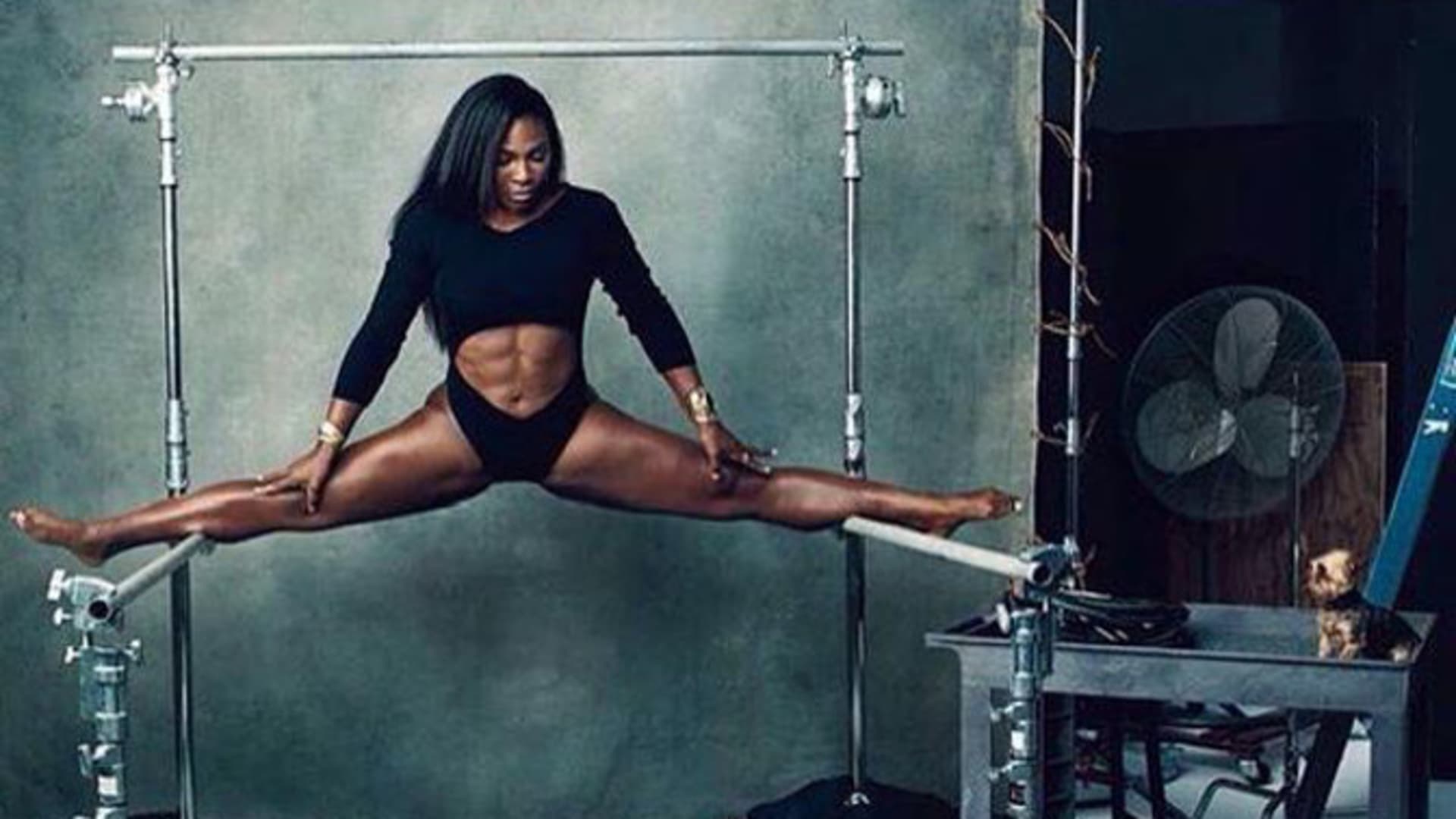
Strength is the reply when the internet doubts.
Los Angeles, February 2026.
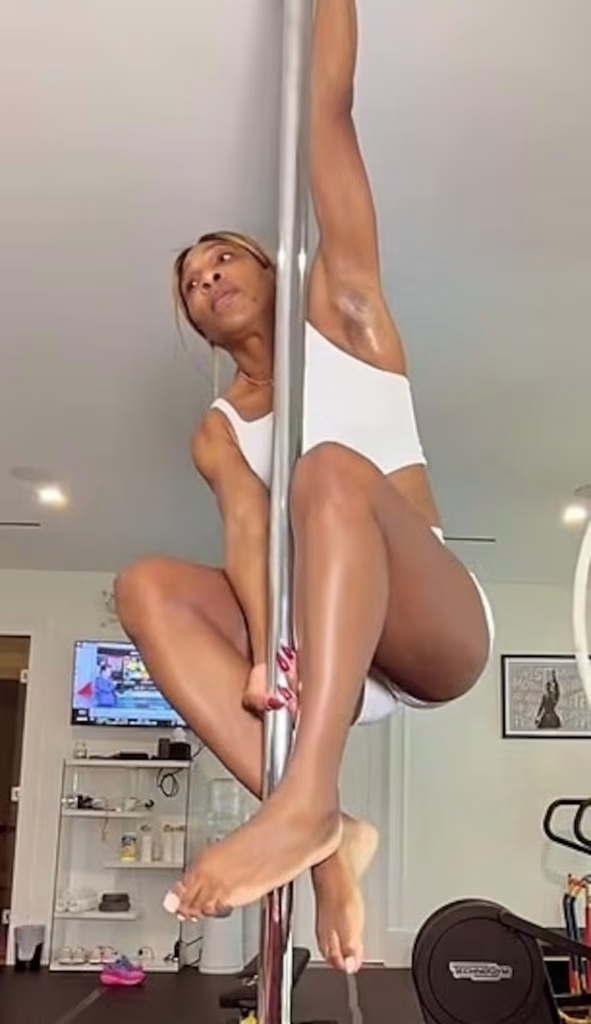
Days after drawing criticism for appearing in a high-profile campaign connected to prescription weight loss treatment, Serena Williams posted a short pole dance clip that instantly reframed the conversation. The video was not a press statement, and it did not read like an apology. Instead, it functioned as a demonstration of control, grip strength, core stability, and the kind of coordination most people associate with trained athletes, not with the stereotyped language of “before and after.” The timing made the subtext hard to miss: if the public wants to reduce her to a debate, she can still answer with performance.
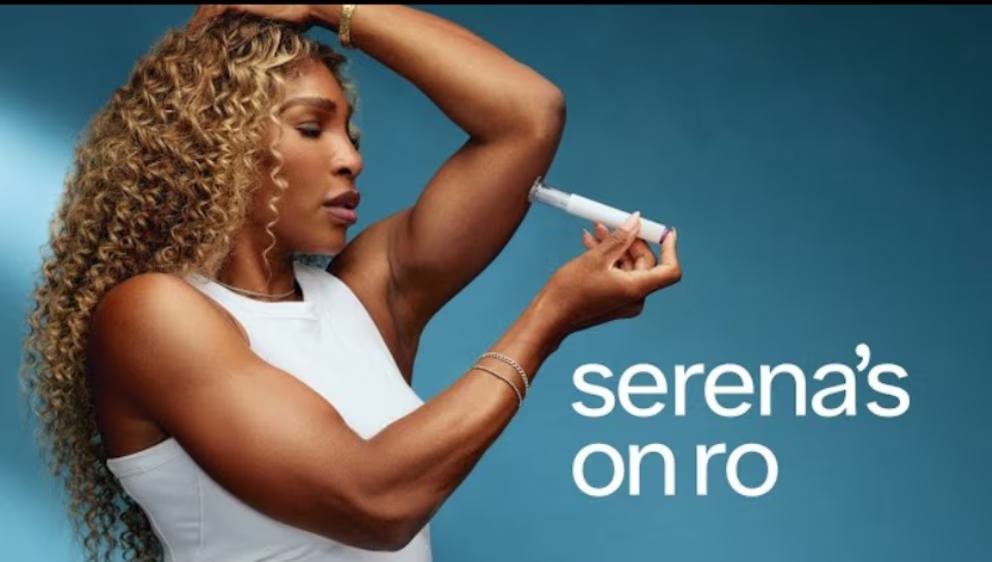
The backlash that preceded the post revolved around an advertisement in which Williams discussed using a GLP-1 medication as part of her health and weight journey through Ro, a model that has become increasingly visible in the United States. For critics, the concern was not only celebrity endorsement but the cultural signaling, a global icon linking status and thinness to a pharmaceutical shortcut. Supporters countered that adults can make informed choices, that stigma around medical obesity care is often moralistic, and that Williams has a long track record of training discipline that does not vanish because a new tool enters the equation. What looked like a single commercial quickly became a referendum on credibility, influence, and who gets to define “health” in public.
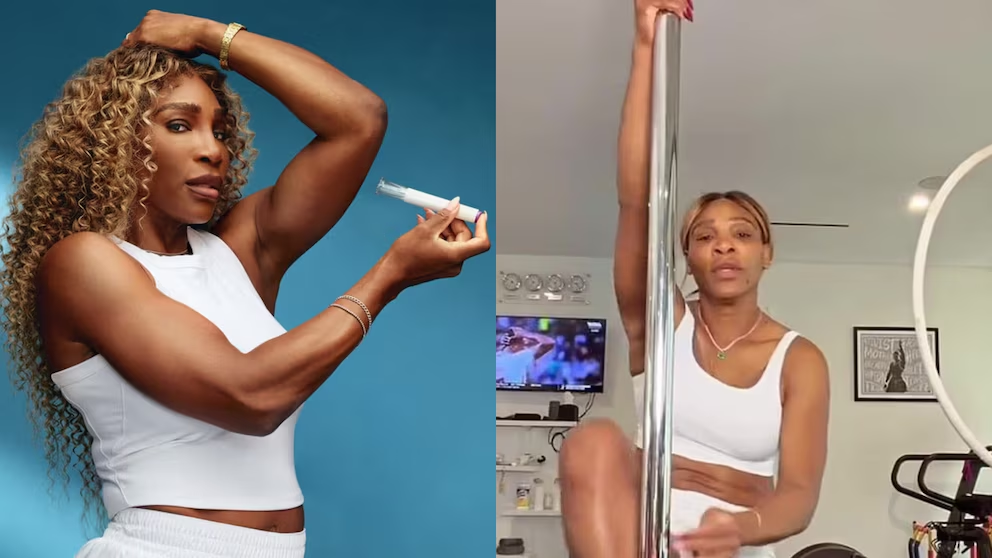
The pole dance clip landed in that tension because it did not argue in words, it changed the viewer’s frame. Pole dance, when performed with control, sits closer to gymnastics than to the simplistic stereotypes people project onto it. It is also brutally honest: if strength is missing, the body cannot fake the holds, the transitions, or the slow rotations. By choosing that format, Williams effectively shifted attention from the morality play of weight loss to the measurable reality of athletic capacity, which is her native language.
There is a psychological logic to why that move worked online. Controversies about bodies spread because they offer easy identity sorting: disciplined versus indulgent, authentic versus marketed, empowerment versus manipulation. A physical performance interrupts that sorting because it introduces evidence that does not fit cleanly into the usual moral categories. Viewers may still dislike the ad, but it becomes harder to claim she is selling weakness, because the clip shows competence. In the attention economy, competence is one of the few counters to ridicule that does not require negotiation.
The episode also exposes how celebrity health disclosures are now treated as product interfaces rather than private experiences. When a public figure says “this helped me,” the statement becomes both testimony and marketing asset, even if it is personally true. That is why critics react so sharply: they suspect the line between disclosure and persuasion has collapsed, especially when the message travels at scale during a mass event like the Super Bowl. Yet the same scale is why brands recruit icons, because trust is portable when attention is fragmented, and an endorsement can compress skepticism into curiosity in a single viewing.
Cross-regional reactions underline how culturally unstable this topic is. In the United States, the conversation tends to split between medical framing and body-image backlash, often amplified by partisan tones about pharma and consumerism. In parts of Europe, criticism more often centers on advertising ethics and the visibility of prescription culture in mainstream entertainment. Meanwhile, the defense from athletes outside the United States, including European voices, signals that this debate is not contained by borders, because celebrity influence is now global by default. A thirty-second narrative can ricochet across continents faster than regulators or clinicians can add nuance.
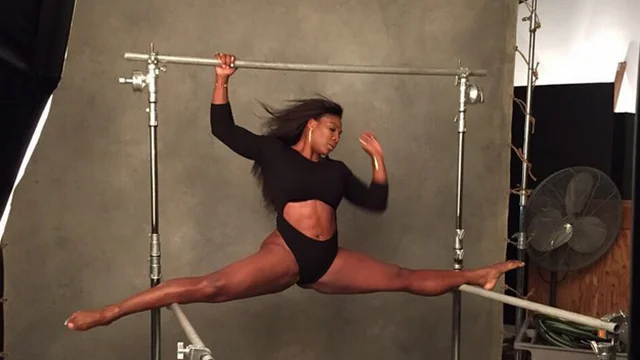
What remains easy to miss is that Williams is navigating two reputations at once: the elite athlete and the public woman whose body has been policed for decades. Her career was filled with moments where strength was treated as something suspicious, unfeminine, or excessive, and that history sits behind today’s commentary even when it is not stated. The pole dance clip reads as a refusal to re-enter that old argument on the internet’s terms. It says, without saying, that she is not auditioning for approval, she is exhibiting capacity.
The deeper pattern is that modern fame forces public figures into a permanent credibility loop. If they say nothing, they are accused of hiding. If they share, they are accused of selling. If they perform, they are accused of deflecting, yet performance is often the only language that can cut through noise without escalating the fight. Williams’ post did not resolve the ethics debate around celebrity involvement in medical weight loss, and it was never going to. It did something more strategic: it reclaimed authorship of the story’s emotional tone, from scandal to strength, from commentary to capability.
Más allá de la noticia, el patrón. / Beyond the news, the pattern.