

 Phoenix 24
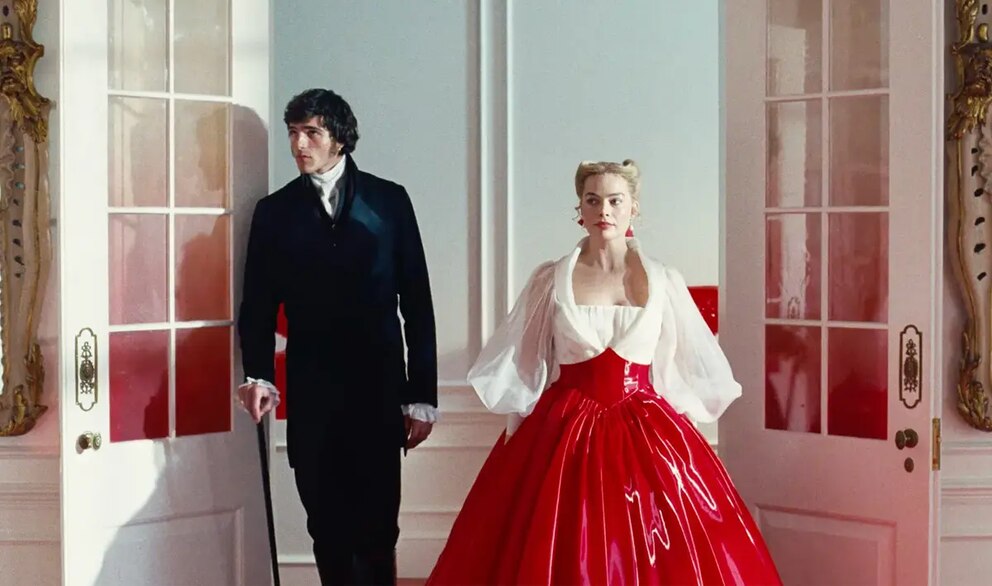
A chair snapped, and the room believed.
Los Angeles, February 2026.
What reads as gothic excess on the page can feel oddly procedural on a set. Marks are taped. Lights are measured. Emotions are scheduled. And yet, every so often, a production designed to be “safe” for everyone involved still needs one moment that does not look safe at all, a micro fracture that convinces the crew, the camera, and the audience that something unrepeatable just happened. That is the story Margot Robbie shared about filming Wuthering Heights with Jacob Elordi: in an early, highly charged scene, he broke a chair for real.

In her account, the chair was not a gimmick or a neatly controlled stunt beat. It was a physical action inside a moment meant to communicate desire and intensity, and it landed because the room reacted the way the character would react. Robbie’s point was less “look what happened” than “look what it did.” When the chair splintered, she scanned the set and saw seasoned professionals wide eyed, mouths open, mirroring the on screen shock. That collective reaction became proof that the scene had found its temperature. She confirmed that her response in the moment was genuine rather than manufactured.
This matters because the entire pitch of this adaptation is extremity with intention. The film is written and directed by Emerald Fennell, and her approach has been described by the team as more primal and sexual, prioritizing force and emotional exposure over polite restraint. Robbie frames that approach as permission. Her default instinct, she says, is to go all in and then wait for a director to pull her back. With Fennell, the pull back rarely arrives. Instead, the directive is to push further, to locate the maximal version first, and only then decide what to trim, if anything.
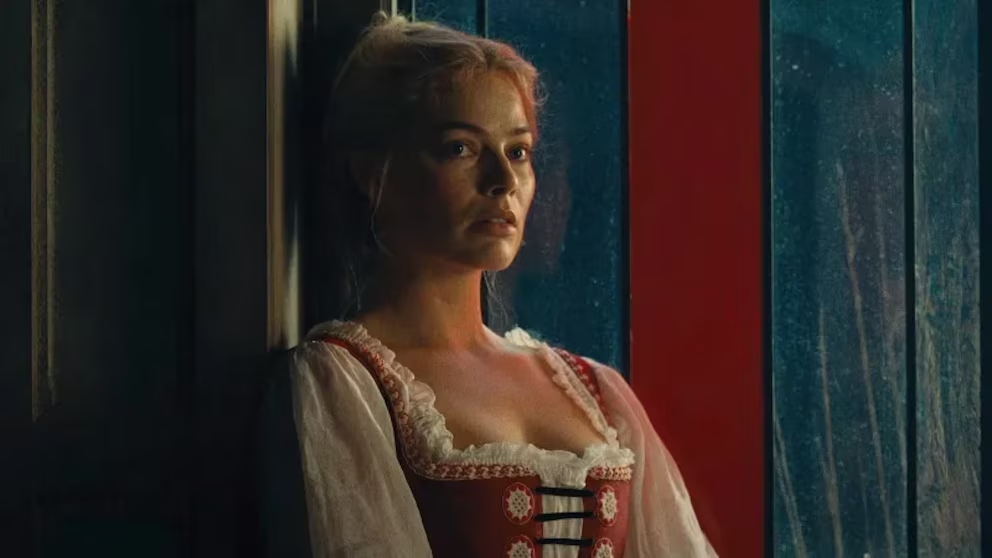
From a performance craft lens, that is not just a “style.” It is a working method that changes what actors risk psychologically and physically. When the creative center of a set rewards intensity, you get louder days, bigger choices, and more volatility in the room. The director has framed the shoot as emotionally high volume, and the intent as deliberate: artists should have license to go too far, to commit something unsubtle or even embarrassing, because the edge of “this is too much” is often where the material becomes honest.
The reason this anecdote is circulating now is timing. The film’s theatrical release is scheduled for mid February 2026, and publicity has converged on the idea that this is not a museum piece adaptation, but a version built to hit contemporary nerves. The casting signals that intent: Robbie as Catherine Earnshaw and Elordi as Heathcliff, with a supporting ensemble that has been presented as a serious prestige lineup. The campaign language has leaned into the relationship’s brutality and magnetism, framing it as obsession and emotional extremes rather than soft romance.
Within that frame, the broken chair becomes a thesis statement. It illustrates how this version wants the story to feel: less literary fog, more bodily certainty. The audience is not meant to admire the tragedy from a tasteful distance. They are meant to flinch with it. And in practical terms, productions chase that flinch because it reads instantly on camera. You can fake tears. You can fake anger. But you cannot easily fake a room full of people involuntarily reacting at once, especially when they have seen everything.
There is also a quieter subtext: the discipline behind the chaos. Robbie stresses that the most intense scenes still require preparation, and that this film demands sustained output from everyone involved. She describes her character as crying in most scenes, swinging between extremes, and she frames that as exhausting but rewarding work precisely because it is so total. In other words, the “explosive moment” is not chaos as an operating system. It is chaos allowed to puncture a controlled system at exactly the point where it delivers truth.
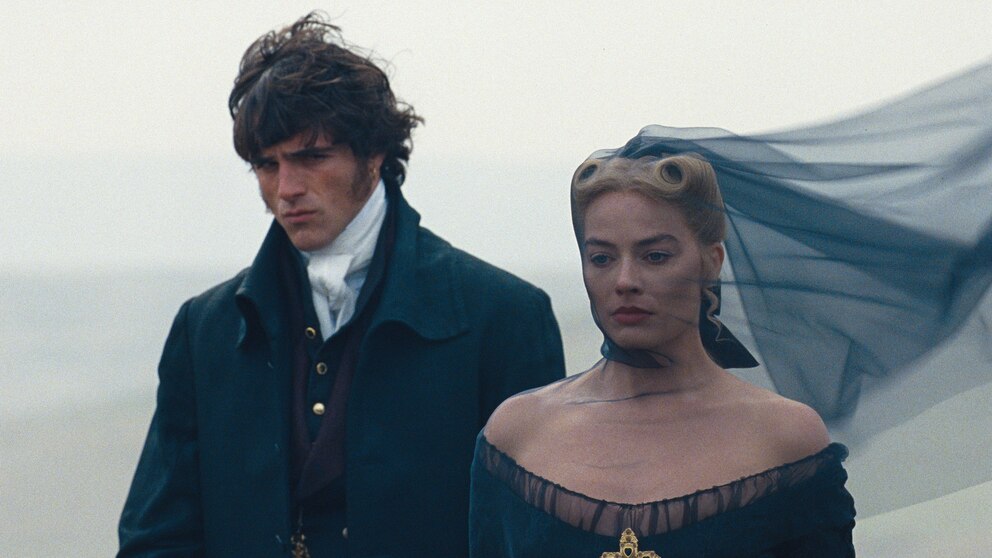
That is the paradox of modern prestige filmmaking. The industry is more safety conscious and more technically capable than ever. Yet the aesthetic hunger remains the same: audiences want to watch something that looks like it could not be planned, even when it was. When a prop breaks at the right moment, it becomes evidence. Not of recklessness, but of commitment. And for a story that survives because it refuses to behave, that evidence is the marketing.
Detrás de cada dato, hay una intención. Detrás de cada silencio, una estructura.
Behind every data point, there is an intention. Behind every silence, a structure.