

 Phoenix 24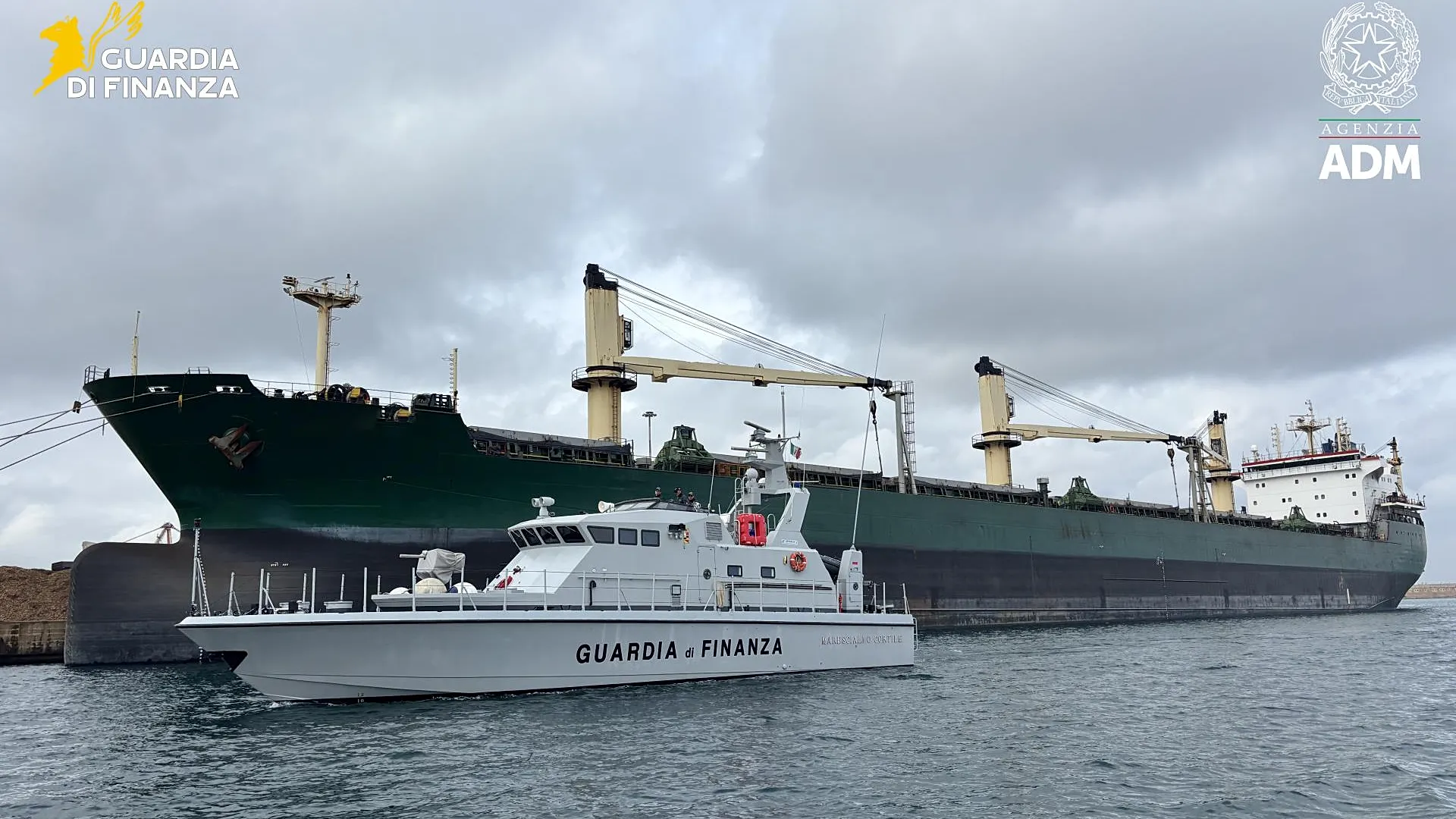
When rules meet the pier, power becomes visible.
Brindisi, January 2026.
Italian authorities have impounded a cargo vessel in the port of Brindisi on suspicion of violating European Union sanctions against Russia, turning a quiet Adriatic dock into a frontline of geopolitical enforcement. The operation, led by financial police and customs officials, is being treated as a test case for how far Europe is willing to go to make its sanctions real beyond paper.
The ship arrived carrying tens of thousands of tons of ferrous metal. Investigators believe the cargo may be linked to a Russian export chain that should be blocked under current EU restrictions. Early checks raised red flags about the vessel’s route and documentation, suggesting that its journey may have been deliberately masked to hide connections with sanctioned ports.
Authorities placed the ship and its cargo under preventive seizure, a legal mechanism that freezes assets while an investigation determines whether a crime has been committed. The move prevents the vessel from leaving and blocks the unloading or resale of its cargo until prosecutors decide the next steps.
According to officials involved in the case, the ship had previously operated in waters connected to Russian ports that are under European restrictions. That alone does not prove a crime, but it triggers enhanced scrutiny, especially when combined with irregularities in shipping records, gaps in tracking data and inconsistencies in port declarations.
The investigation now focuses on several layers: the shipping company, the importer listed in Italy, intermediaries involved in the transaction and parts of the crew responsible for navigation logs and communications. Prosecutors are examining whether false documentation, altered routes or technical manipulation of tracking systems were used to conceal the ship’s real itinerary.
Since the war in Ukraine, the European Union has built one of the most complex sanctions regimes in its history. It limits trade in energy, metals, technology and transport services connected to Russia. But enforcement is difficult. Global shipping relies on flags of convenience, offshore ownership structures and long chains of intermediaries that can blur responsibility.
That is why the case in Brindisi matters beyond Italy. It shows how sanctions move from diplomatic statements to physical control: ships stopped, cargo frozen, money flows interrupted. It also exposes how sanctions are constantly tested by actors willing to take risks for profit.
For Italian authorities, the message is clear. Sanctions are not symbolic. They are meant to be enforced at borders, ports and financial channels. The seizure is being presented as proof that controls are not limited to paperwork checks but can involve full physical intervention.
From Brussels, officials have repeatedly warned that attempts to bypass restrictions through complex maritime routes will be met with stronger monitoring. The Brindisi case fits into that strategy: focus on ports, logistics and shipping lanes where sanctions can be violated quietly and profitably.
Shipping experts note that enforcement at sea is one of the weakest points in global sanctions systems. Ships can change flags, rename owners, alter routes and use intermediary ports to disguise origin. That makes every seizure politically significant. Each one signals that invisibility is no longer guaranteed.
For businesses, the case is also a warning. Companies that rely on intermediaries or distant suppliers are now expected to conduct deeper checks. Claiming ignorance is becoming a weaker defense when authorities argue that due diligence is a legal duty, not a courtesy.
In Russia, officials have consistently denounced Western sanctions as illegal and ineffective. Yet cases like this show their practical cost: delayed shipments, frozen goods, disrupted contracts and rising risk for anyone still trading along the edges of restriction zones.
The Brindisi ship is now a legal object as much as a physical one. Lawyers, investigators and judges will decide whether the route, the cargo and the paperwork amount to a criminal breach. If confirmed, penalties could include heavy fines, confiscation of goods and long-term restrictions on the companies involved.
Beyond the courtroom, the case feeds a larger story. Sanctions are no longer abstract measures debated in capitals. They are lived in ports, on docks, in warehouses and in courtrooms. They affect sailors, traders, insurers and entire logistics chains.
In Brindisi, cranes stand still around the seized vessel. Workers wait. Officials file reports. Behind that stillness lies a wider conflict playing out through trade routes and cargo holds. What used to be routine commerce has become part of a global power struggle.
Whether the ship is ultimately condemned or released, its detention already serves a purpose. It reminds everyone watching that in today’s world, even a vessel quietly entering port may be carrying not just metal, but politics.
Every silence speaks.