

 Phoenix 24
Unexpected battery readings raise questions about software reliability.
Seoul, South Korea
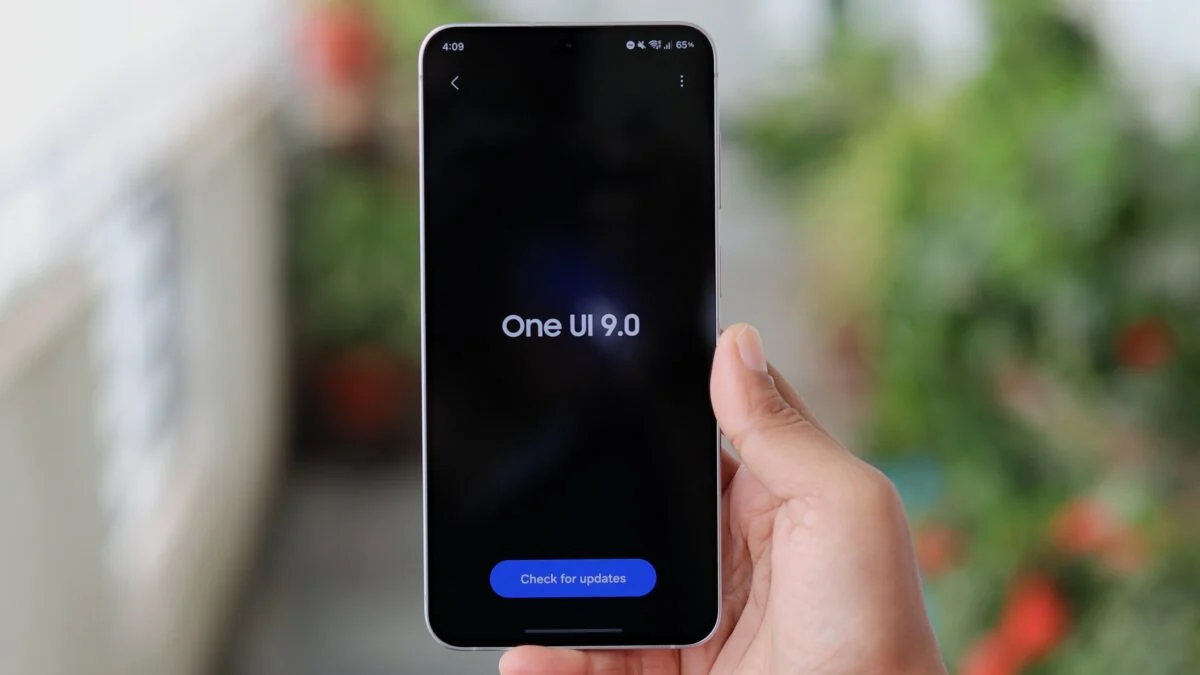
Samsung is preparing a software correction for Galaxy smartphones after users reported unusually rapid declines in battery health following the installation of One UI 9.0. The company’s support team in Turkey indicated that the forthcoming One UI 9.5 update would address the problem, following complaints submitted through Samsung Members. Some users reported battery health readings falling to approximately 94% within a month, raising concerns about the longevity of relatively new devices. However, an important technical question remains unresolved: whether the batteries are physically deteriorating or the operating system is producing inaccurate measurements.
The controversy gained attention after a Galaxy S25 owner shared correspondence with Samsung’s technical support team on the company’s Turkish community forum. According to the user, abnormal readings appeared after upgrading to One UI 9.0, with the displayed percentage declining repeatedly over short periods. A response reportedly communicated through Samsung’s support organisation identified One UI 9.5 as the forthcoming solution. Samsung has not issued a separate global technical statement explaining the root cause or identifying every potentially affected device.
The distinction between actual battery degradation and inaccurate software reporting is fundamental. Lithium-ion batteries naturally lose capacity through chemical ageing, charging cycles, temperature exposure and operating conditions. Software estimates battery health by interpreting information from the device’s battery management system, but those calculations can sometimes become inaccurate. If the reported declines result from a measurement error, a software correction could restore reliable readings without changing the battery’s physical condition.
A different situation would arise if the update had genuinely accelerated battery wear. Excessive power consumption, sustained background activity or increased operating temperatures can contribute to battery stress under certain conditions. Although software optimisation may reduce future energy consumption, it cannot restore electrochemical capacity already lost through irreversible degradation. Determining which mechanism is responsible will be essential before concluding that the upcoming update has resolved the underlying problem.
The issue follows separate reports of increased battery consumption on some Galaxy S24 and S25 devices after One UI 9.0, Samsung’s Android 17-based interface. Battery endurance and battery health, however, measure different characteristics. A smartphone may discharge more quickly because applications consume additional power without experiencing permanent capacity loss. Confusing these phenomena could lead users to interpret temporary performance changes as evidence of irreversible hardware damage.
Samsung officially launched its One UI 9.5 beta programme for the Galaxy S26 series in November, introducing improvements involving photography, accessibility, privacy and Samsung Health. The company has confirmed the availability of the beta software, but its public announcement did not provide technical details about the reported battery health correction. The stable release schedule, the complete list of supported devices and the effectiveness of the proposed fix remain subject to confirmation.
Beyond the immediate software concern, the episode highlights the growing importance of transparency in consumer electronics. Battery health indicators increasingly influence purchasing decisions, device replacement cycles and perceptions of product reliability. Manufacturers therefore face a responsibility not only to optimise energy performance, but also to explain how diagnostic information is calculated and what users should reasonably conclude from it.
For Galaxy owners, the expected update offers a potentially important solution, although its effectiveness has yet to be demonstrated through independent testing. The broader lesson concerns the relationship between software diagnostics and physical hardware performance. As smartphones become increasingly dependent on complex operating systems, maintaining consumer confidence will require accurate measurements, clear technical communication and reliable long-term support.
Where Innovation Meets Responsibility.