

 Phoenix 24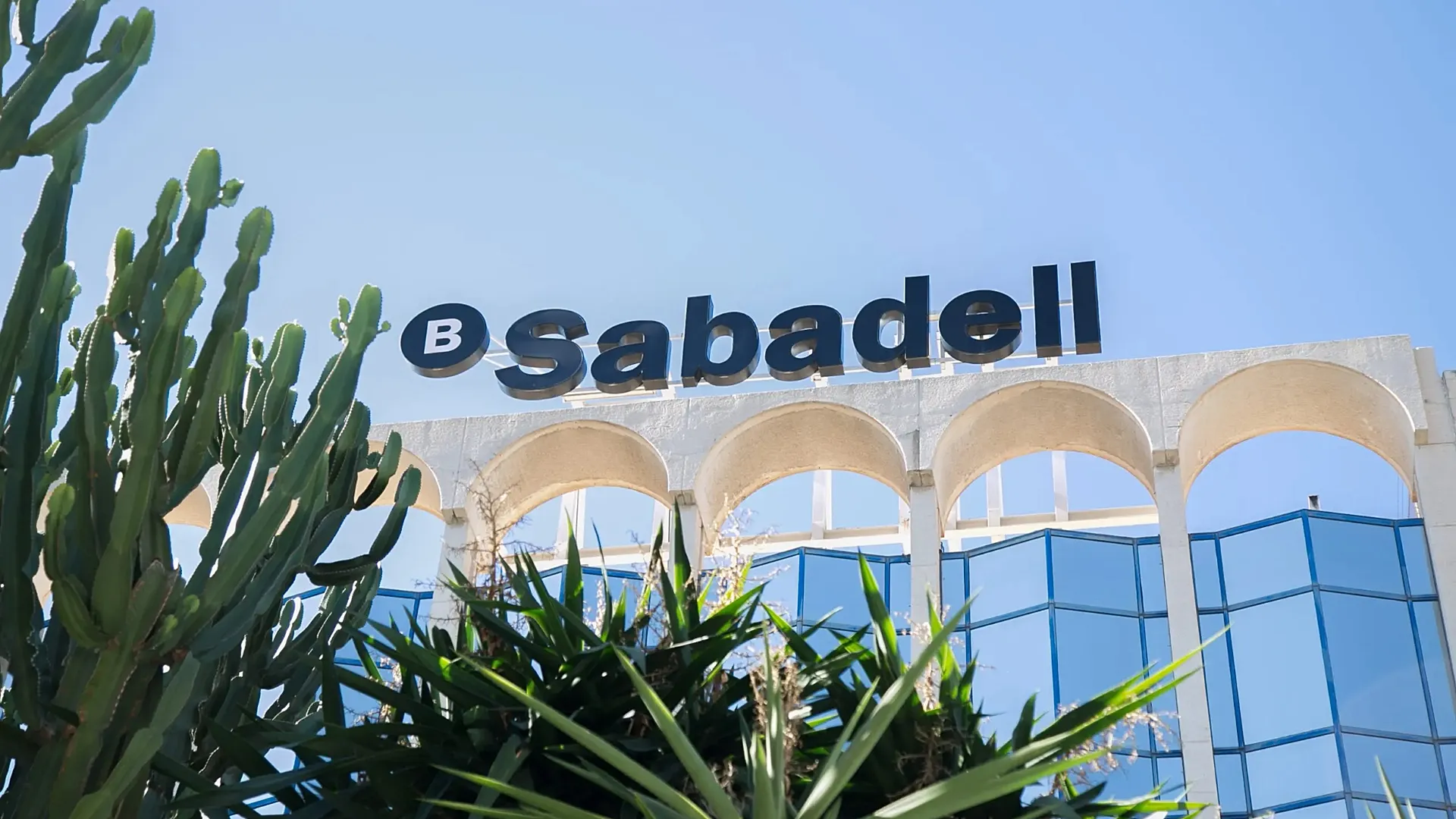
When price undervalues potential, loyalty to independence can become the clearest profit.
Madrid, September 2025. The board of Banco Sabadell has unanimously recommended that its shareholders refuse the hostile takeover offer from BBVA, judging that the terms undermine the bank’s intrinsic value and destroy potential upside if it remains independent. Despite the unanimity, one significant shareholder and board member dissented in part, expressing approval of the strategic rationale but criticizing the price as insufficient.
Sabadell’s board released its fairness opinion after a full review of the OPA (Oferta Pública de Adquisición) terms issued by BBVA. The offer proposes one newly issued BBVA share plus 0.70 euros in cash for every 5.5483 shares of Sabadell. Based on this formula and current market values, the valuation implied by the offer falls short of Sabadell’s recent trading price and the forecasts underpinning its standalone growth strategy. Accepting the deal under these terms would mean, they argue, that shareholders would be selling at a discount relative to what the bank is currently worth on the market.
The board’s reasoning draws on multiple valuation metrics. They assert that fundamental value metrics such as price-to-earnings ratios for comparable banks and book value multiples both suggest that Sabadell is being undervalued by between 24% and 37% compared to the offered price. They also emphasize that Sabadell’s strategy, which includes high profitability targets and substantial dividend distributions over the coming years, supports greater value if the bank remains independent.
Tax implications feature among the reasons to reject the offer. Many shareholders residing in Spain face capital gains taxation if they accept the offer, and could miss out on a planned extraordinary dividend expected in early 2026 associated with the sale of Sabadell’s British unit, TSB. Unless one holds shares at the key ex-dividend date, that payment will not accrue to holders who tender their shares now.
A notable dissent comes from David Martínez Guzmán, a board member who holds around 4 percent of Sabadell’s capital. He agrees with rejecting the offer on the basis of price, though he does not align with all the arguments of the board. Martínez has urged BBVA to improve its price to make the offer acceptable, emphasizing that a fair premium is essential if shareholders are to consider tendering.
Sabadell’s board also warns that BBVA’s estimates of synergies and cost savings may be overly optimistic, especially given regulatory constraints and government restrictions on merging large banks in the coming years. They question whether the forecasted benefits will materialize fully, and whether potential losses or dilution could offset anticipated gains.
The regulatory environment complicates the scenario. The CNMV (Spain’s market regulator) recently approved the offer’s prospectus, which means the ball now passes to shareholders. However, government policy and public sentiment have shown resistance to large scale bank consolidations, especially when potential impacts on competition, employment and regional banking services are involved. These political risks factor into the board’s evaluation of accept-vs-reject.
Shareholders have until October 7, 2025 to decide whether to accept the offer. If BBVA fails to secure a controlling stake of more than fifty percent, it may pursue alternative strategies, including attempting to negotiate price or seeking other routes to exert influence without full ownership. Meanwhile, Sabadell reaffirms the strength of its independent path, projecting returns from its standalone operations that the board believes will outweigh any short-term gains from the takeover.
What this moment crystallizes is a choice familiar in corporate battles: control or value, certainty or promise. Sabadell insists that its value lies not just in its assets and earnings today, but in its capacity to grow, pay dividends, and pursue its strategy unshackled. As the acceptance deadline looms, the question for shareholders is whether the offer’s cash plus shares will compensate for the diluted future that might follow under control of another entity.
“Detrás de cada oferta subvaluada, hay una intención. Detrás de cada estrategia, una estructura.”
“Behind every undervalued offer, there is an intention. Behind every strategy, a structure.”