

 Phoenix 24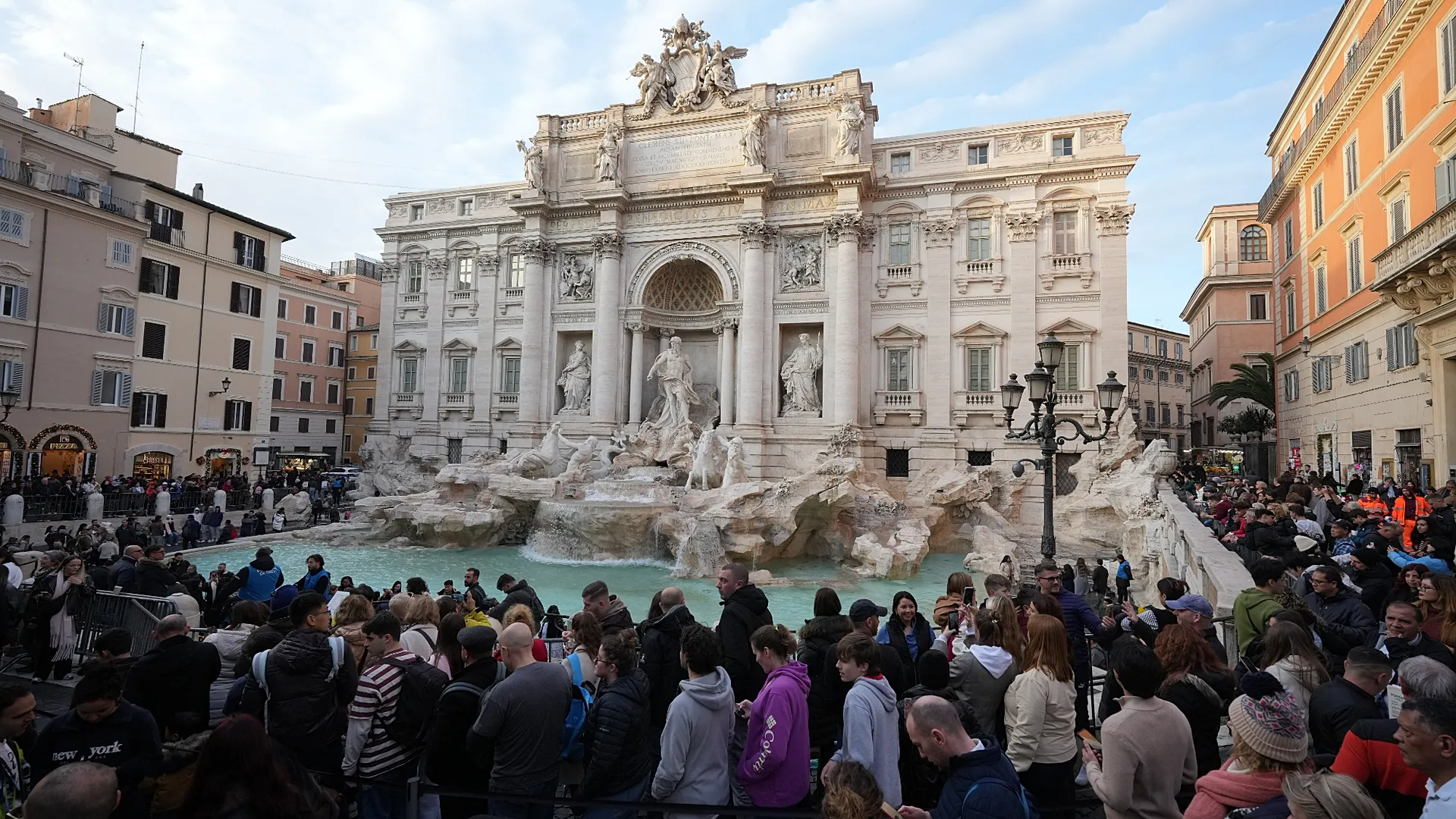
When a city monetises iconic public space, the balance between preservation and access becomes a global talking point.
Rome, December 2025
Rome’s municipal government has announced that starting in 2026 tourists will be required to pay a fee to approach the iconic Trevi Fountain, a decision aimed at managing crowds, protecting heritage infrastructure and generating revenue for conservation efforts. The move marks a significant shift for one of the world’s most visited landmarks, where millions of visitors each year congregate to admire the Baroque masterpiece, toss coins and participate in a ritual deeply embedded in global popular culture. City officials frame the policy as a necessary response to overtourism and the wear and tear it imposes on historic urban fabric, even as the prospect of paid access raises questions about equitable enjoyment of public spaces.
Under the new scheme, access zones within a defined perimeter around the Trevi Fountain will require visitors to obtain a pass or ticket, with pricing tiers differentiated by age, residency and seasonality. Exemptions will apply to local residents and certain categories of workers whose daily activities intersect with the area, such as performers, vendors and guided tour operators. The revenue collected is earmarked for maintenance of the fountain’s delicate stonework, enhancement of crowd management infrastructure and support for broader cultural heritage programmes across the city. Officials emphasise that the fees are not intended as a barrier to cultural participation but as a tool for sustainable preservation in the face of mass visitation.
Rome’s approach reflects a growing trend among global cities contending with overtourism at landmarks of exceptional popularity. As visitor numbers continue to rebound after pandemic-related declines, urban centres from European capitals to Asian metropolises are exploring mechanisms such as timed entry, reservation systems and access fees to regulate flows and mitigate environmental and social impacts. In the case of the Trevi Fountain, which sits at the intersection of narrow streets and high pedestrian density, unregulated crowds have long complicated public safety, local resident quality of life and conservation logistics. City planners argue that a managed access model will reduce congestion, enhance visitor experience and ensure that protective measures keep pace with demand.
The policy announcement has generated mixed responses among tourism stakeholders. Supporters, including heritage preservation advocates and urban planners, welcome a framework that channels funds directly into the upkeep of a monument that bears the cumulative effects of centuries of weathering and human interaction. They argue that a modest fee paired with robust exemptions can create a more orderly and respectful visitation environment, foregoing solutions that treat cultural sites like theme parks without regard for local context.
Critics caution that introducing charges at a site traditionally open and free risks commodifying public heritage and privileging those with greater financial means. For some business owners, especially those operating nearby, there are concerns that fees could deter casual visitors and reduce foot traffic in commercial corridors that depend on tourism spending. Discussions about the potential economic trade-offs are unfolding among stakeholders who recognise both the financial imperatives of conservation and the need to sustain vibrant urban street life around the monument.
Local resident associations have also weighed in, noting that overcrowding often spills into adjacent neighbourhoods, exacerbating pressures on sidewalks, waste management systems and residential tranquility. In their view, the new access regime could help rebalance public space use between international visitors and long-term inhabitants, although they stress that measures should respect the rights and rhythms of daily life for Romans.
International visitors who have long anticipated the traditional, free-form stroll to the fountain express a range of sentiments. Some view the fee as an understandable cost of preserving shared cultural heritage, particularly if it leads to improved visitor experiences with less congestion and clearer sightlines. Others lament the formalisation of access to a space that has symbolised spontaneous participation in the life of the city for generations of travellers.
The implementation of the new policy will be accompanied by technological and logistical support, including digital ticketing platforms, information campaigns in multiple languages and coordination with tour operators to integrate access planning into wider travel itineraries. Authorities are optimistic that piloting the system early in 2026 will provide data to refine pricing, exemptions and crowd management tactics, ensuring that the initiative not only preserves the fountain but enhances its role as a living part of Rome’s urban tapestry.
Phoenix24. Lo visible y lo oculto, en contexto. / Phoenix24. The visible and the hidden, in context.