

 Phoenix 24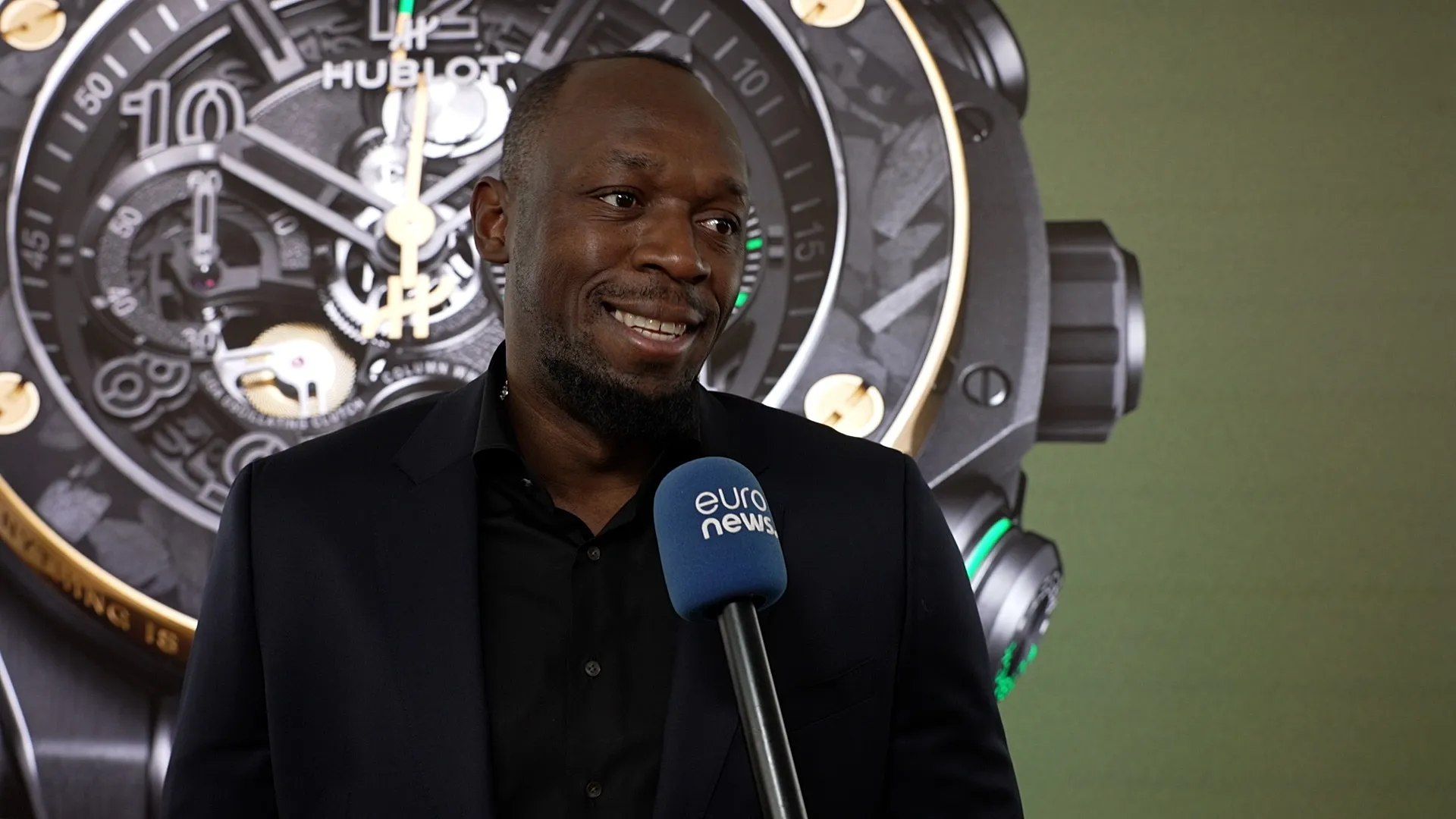
When culture becomes a form of market power.
Geneva, April 2026
Hublot is advancing a vision of luxury in which emotion, culture, and symbolic relevance matter as much as technical excellence. Under CEO Julien Tornare, the brand has emphasized that creativity does not emerge only from design laboratories or industrial precision, but from contact with art, music, sport, and the broader emotional environment in which people assign meaning to objects. This is not a decorative statement. It is a strategic repositioning of luxury itself.
The significance of that position becomes clearer when placed against the structure of the Swiss watch industry. Many legacy houses rely on historical continuity, inherited prestige, and centuries of accumulated narrative capital. Hublot, by contrast, has built its identity through disruption, fusion, and visibility. Rather than competing on age, it competes on energy. Rather than claiming permanence through tradition alone, it seeks relevance through cultural intensity.
That logic helps explain why the brand repeatedly aligns itself with high-profile figures, elite sport, and creative collaborations. These associations are not secondary marketing gestures. They are part of a wider production model in which the watch becomes more than an instrument or status object. It becomes a carrier of emotion, spectacle, and self-projection. In that framework, the product is inseparable from the symbolic universe around it.
This reflects a wider transformation inside the luxury sector. Consumption at the high end is no longer driven only by rarity, craftsmanship, or material quality, even though those elements remain important. It is increasingly shaped by narrative force and experiential attachment. Buyers are not simply acquiring an object with technical value. They are entering a branded emotional field that promises identity, distinction, and participation in a recognizable cultural language.
For Hublot, this creates both advantage and risk. The advantage lies in agility. A brand built around fusion and experimentation can adapt faster to shifts in taste, celebrity, and visual codes than one tied too tightly to canonical tradition. The risk is that emotional branding requires continuous renewal. A luxury house that depends on cultural electricity must keep generating it, or the aura weakens quickly. Relevance, unlike heritage, cannot be stored for long.
The deeper implication is that luxury is being redefined as a contest over meaning. Technical mastery still matters, but it is no longer sufficient on its own. The brands that dominate the next phase may be those most capable of transforming emotion into form, culture into desirability, and creativity into a durable market advantage. Hublot appears determined to compete on precisely that terrain.
Behind every data point, there is an intention. Behind every silence, a structure.
Detrás de cada dato, hay una intención. Detrás de cada silencio, una estructura.