

 Phoenix 24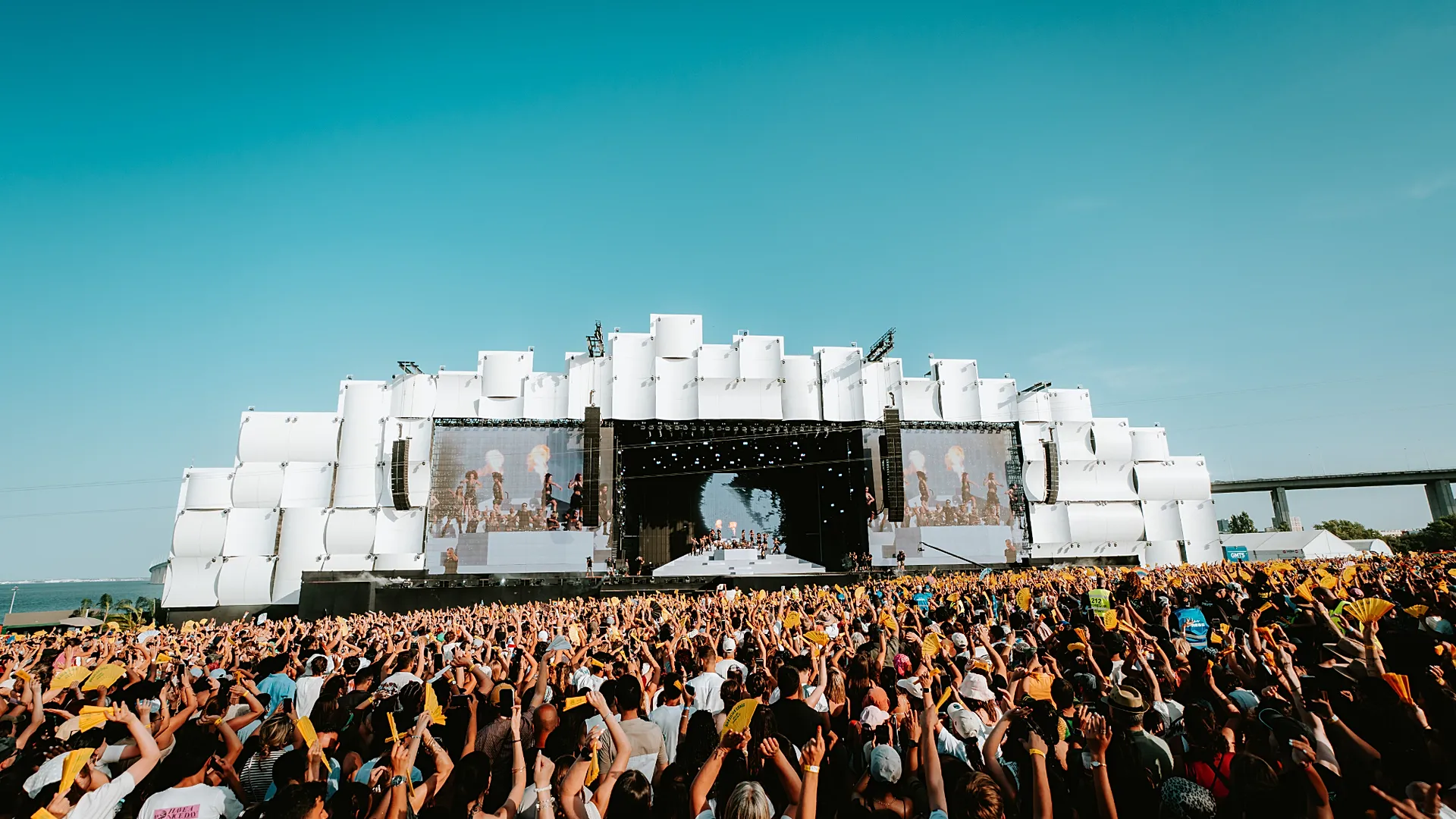
Screens multiply access, but they cannot reproduce collective emotion.
Lisbon, June 2026
Rock in Rio Lisboa returned for its eleventh edition with more than 200,000 people attending the festival’s opening weekend at Parque Tejo. Visitors arrived from Portugal and 124 other countries, confirming that large-scale concerts remain capable of mobilizing international audiences despite the constant availability of music through streaming platforms and social networks. The turnout reflected more than interest in individual artists. It demonstrated that the physical experience of sharing music with thousands of people still holds a value that digital consumption cannot fully replace.
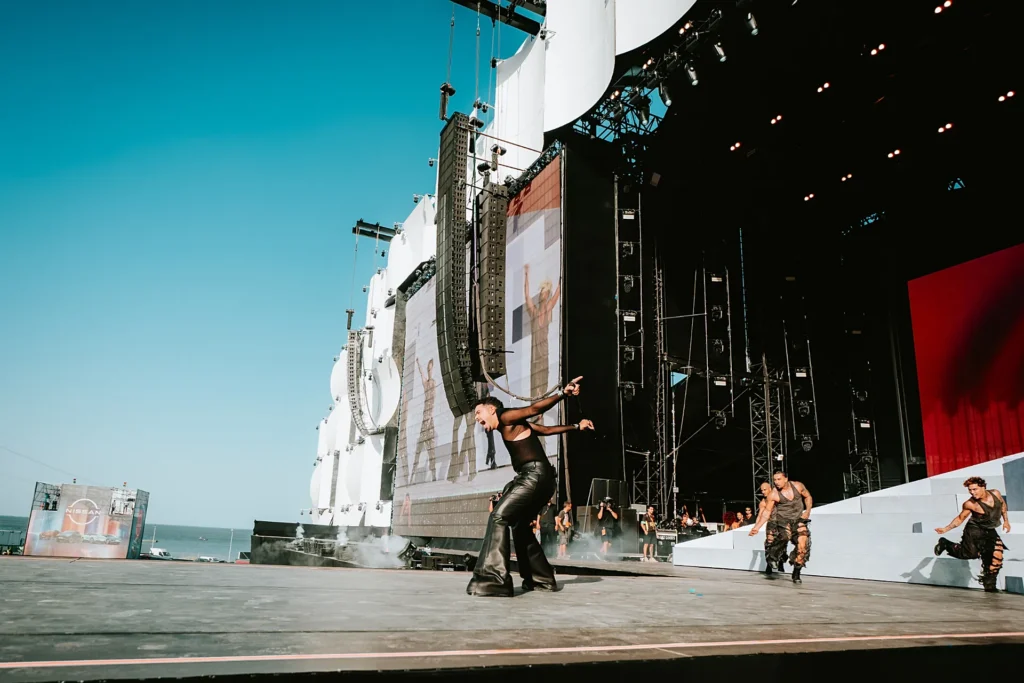
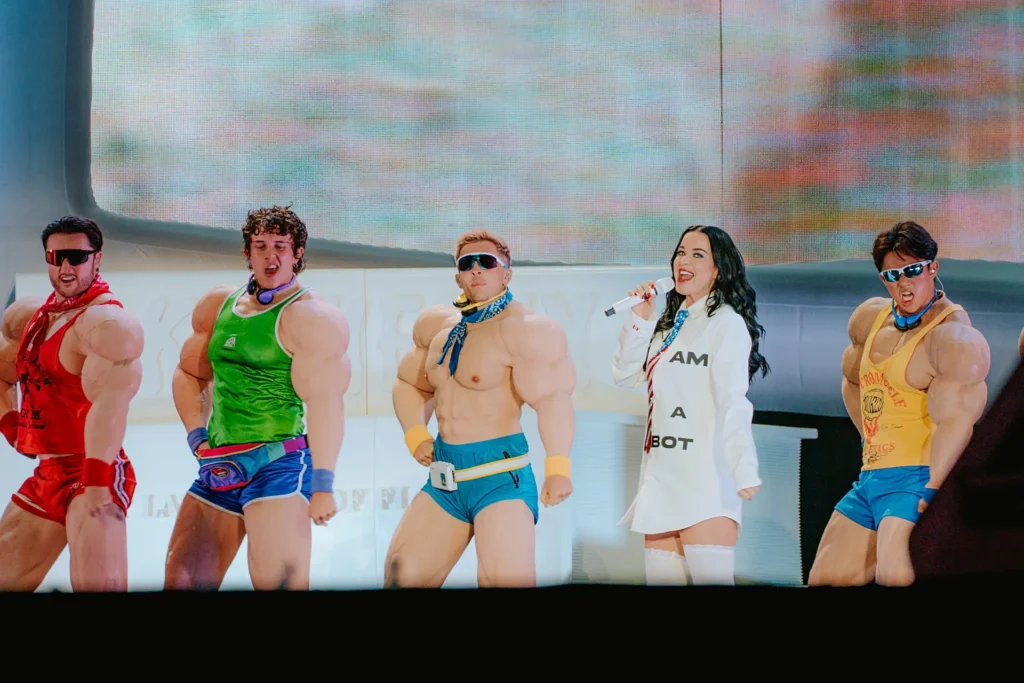
The festival opened on June 20 with a program dominated by pop, led on the main stage by Calema, Pedro Sampaio, Charlie Puth and Katy Perry. Rock took control the following day through performances by Linkin Park, Cypress Hill, The Pretty Reckless and Grandson. The contrast between the two programs allowed the event to attract audiences with different musical preferences and generational backgrounds. Rather than restricting itself to the genre suggested by its name, Rock in Rio continued operating as a broad entertainment platform built around global popular culture.
Attendees interviewed during the festival emphasized the difference between watching a performance through a telephone or television and experiencing it inside a crowd. Dancing among strangers, hearing thousands of voices sing the same chorus and observing artists in real time create a form of collective participation that recorded content cannot reproduce. Social media may intensify the desire to attend by showing users what they are missing. In that sense, digital platforms do not necessarily compete with festivals and may instead function as permanent promotional engines for live events.
The appeal of Rock in Rio also extends beyond the concerts. The festival grounds offer attractions including a Ferris wheel, zipline, interactive brand experiences and a wide selection of food services. These elements transform the event into a temporary leisure city where visitors can spend an entire day moving between music, entertainment and social encounters. For some participants, the complete atmosphere is as important as any individual performance.
This expanded format reflects a significant transformation in the global festival business. Major events increasingly sell experiences rather than simple access to a stage, combining entertainment, gastronomy, technology and commercial activations within a single environment. The model encourages visitors to remain inside the venue for longer periods and creates additional sources of revenue beyond ticket sales. It also allows sponsors to interact directly with audiences whose attention is increasingly difficult to capture through conventional advertising.
A survey conducted by Marktest found that visitors gave the first weekend an average satisfaction score of eight out of ten. The result suggests that the combination of musical programming, infrastructure and complementary activities was positively received despite the logistical pressures created by such a large audience. Festival organizers have presented the current edition as a consolidation of Parque Tejo, also known as Parque Papa Francisco, as the event’s new home in Lisbon. The location is intended to support larger operations and a broader range of experiences than a traditional concert venue.
Roberta Medina, executive vice president of Rock in Rio, said the organization has worked to improve the quality of services, entertainment and infrastructure. She also highlighted the international reach of the audience and the importance of attracting visitors from 125 countries. The festival’s global appeal strengthens Lisbon’s position as a destination for cultural tourism while generating activity for hotels, restaurants, transportation providers and other local businesses. The event consequently functions as both an artistic gathering and an economic instrument for the host city.
The audience itself has become an essential part of the spectacle. A performer may lead the show from the stage, but the emotional intensity frequently comes from the crowd singing, dancing and reacting as a single body. Participants described the pleasure of realizing that thousands of strangers shared the same songs and musical references. This collective recognition creates a temporary sense of belonging that private listening, however personalized or convenient, rarely provides.
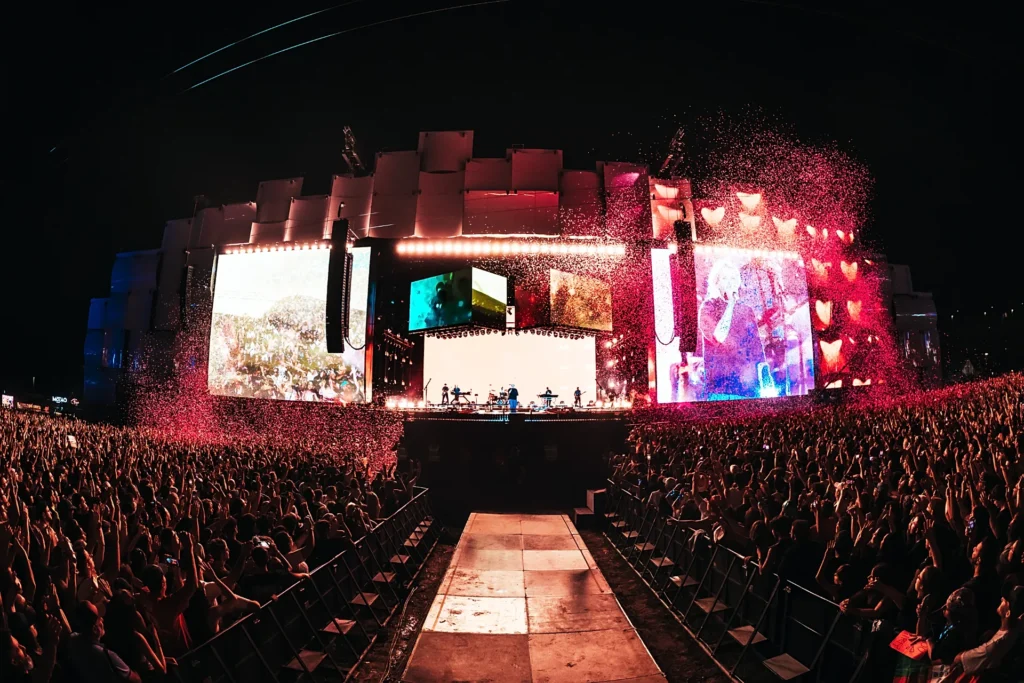
Streaming has transformed music into an almost unlimited and immediately available service. Listeners can access extensive catalogues without purchasing physical albums or waiting for scheduled broadcasts, while social networks distribute fragments of concerts within seconds. Yet that abundance may have increased the symbolic value of experiences that cannot be downloaded or replayed in exactly the same form. A live performance remains temporary, unpredictable and connected to a specific place, audience and moment.
The festival is scheduled to continue on June 27 with Rod Stewart, Cyndi Lauper, Shaggy and 4 Non Blondes among the principal performers. Its final day on June 28 will shift toward rap, hip-hop and Afrobeats through appearances by 21 Savage, Central Cee, Rema and Matuê. The programming illustrates how Rock in Rio has expanded across genres while retaining its identity as a major live entertainment brand. It also reflects the increasingly international and stylistically diverse habits of younger audiences.
The presence of established artists alongside contemporary performers allows the festival to connect different generations within the same venue. Rod Stewart and Cyndi Lauper bring catalogues associated with decades of popular music, while Central Cee, Rema and 21 Savage represent forms shaped by streaming, global collaboration and digital culture. This coexistence gives festivals an advantage over conventional tours because they can assemble audiences that would not ordinarily attend the same individual concert. Diversity becomes both a cultural feature and a commercial strategy.
Rock in Rio Lisboa 2026 ultimately reinforces the idea that technological access has not eliminated the social need for live music. Digital services make songs easier to hear, but they cannot duplicate the physical intensity, unpredictability and shared memory created by a festival crowd. More than 200,000 visitors attended the opening weekend because they were seeking something beyond sound alone. They came to participate in an event that could only exist fully in that place and among those people.
Resistencia narrativa global. / Global narrative resilience.