

 Phoenix 24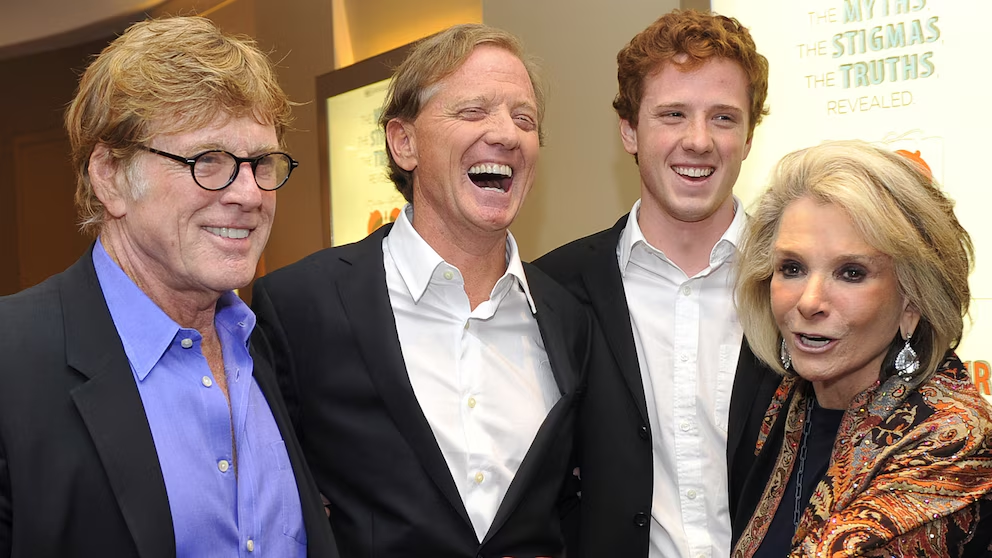
Beyond fame, pain marked his family life, leaving invisible scars that accompanied every achievement of the iconic artist.
Los Angeles, United States — September 2025
Robert Redford lived a life celebrated with awards, cinema, activism, and art, but also one deeply marked by loss. Of the four children he had with Lola Van Wagenen —Scott, Shauna, James, and Amy— two passed away. Scott died in 1959 at just two and a half months old from sudden infant death syndrome. Decades later, in 2020, James lost his life after a long struggle with liver disease and bile duct cancer. These tragedies shaped Redford’s identity, teaching him about resilience, pain, and the fragile human dimension behind stardom.
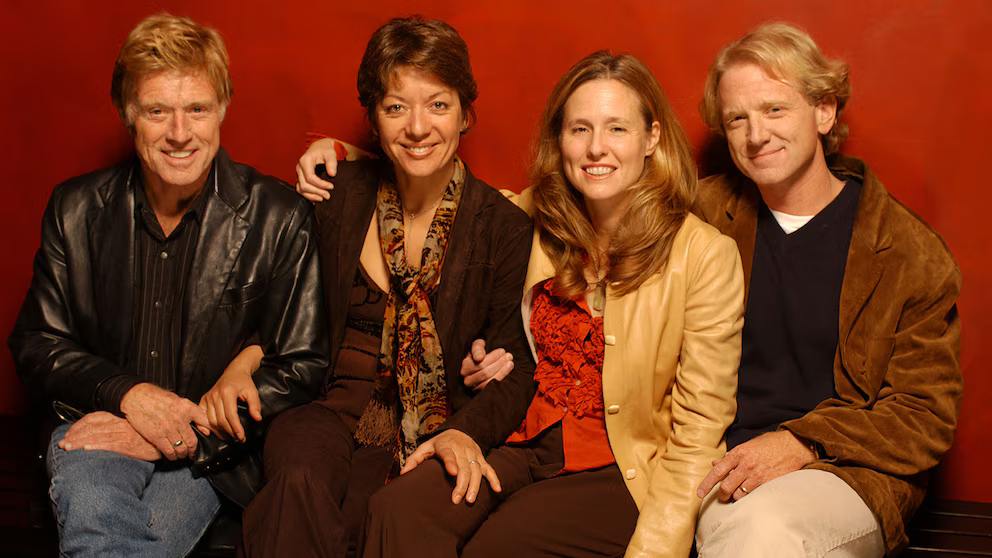
The family also faced brushes with tragedy beyond illness. In 1984, Shauna survived a serious car accident when her vehicle plunged into an icy river; rescuers managed to save her. Her life was further shaken by the murder of her boyfriend in Boulder, Colorado, which left her battling profound depression. These episodes, Redford later admitted, reverberated through the family and altered their dynamics permanently.
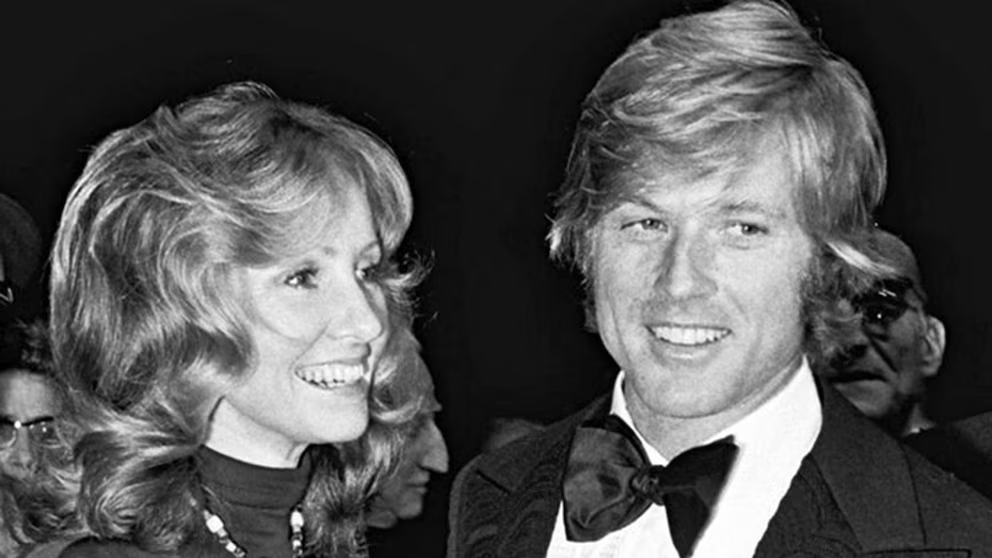
Redford himself acknowledged in interviews that grief left scars that never faded. He sought professional help after Scott’s death, but said therapy never fully “healed” what was broken inside him. Guilt, unanswered questions, and the unrelenting thought of what he might have done differently accompanied him for decades.
For Shauna and Amy, “following in their father’s footsteps” became both a privilege and a burden. The Redford name carried immense cultural weight, but it also imposed constant expectations: the need to succeed under the spotlight, the relentless comparison to their father, the tension between forging their own paths and honoring a towering legacy. Some pursued cinema with varying intensity, while all carried the emotional weight of family loss.
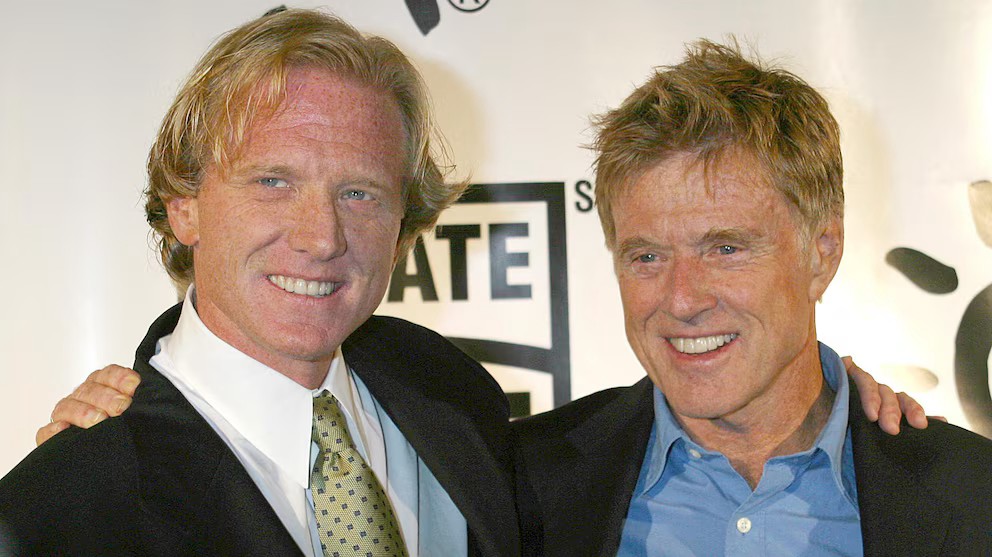
Redford admitted that these losses influenced his professional choices as much as his personal life. Out of grief emerged projects that reflected justice, memory, and humanity. His activism in environmental causes and his choice of roles were often informed by a need to address brokenness, resilience, and the search for meaning. At the same time, silence became another form of response: stepping back, valuing private life, and finding solace in family despite its fractures.
His death on September 16, 2025, reframed his legacy. It brought not only his cinematic impact into focus but also the private battles his family endured under the glare of public life. Shauna has spoken about carrying an inner voice shaped by absence and grief, even amid privilege and recognition. Amy chose smaller, more personal projects, carving out spaces away from Hollywood’s relentless spotlight, often selecting roles that resonated emotionally with her own experience.
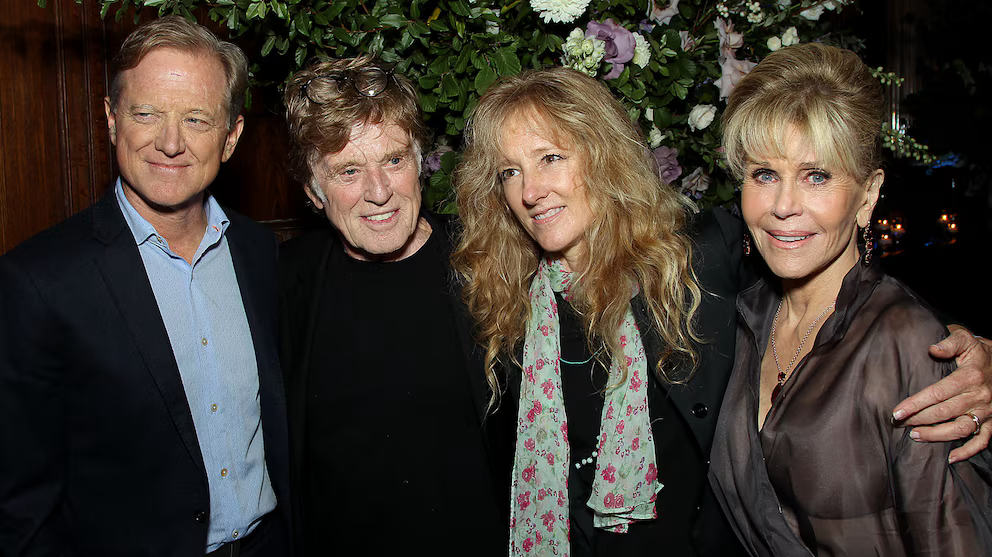
The paradox of being Robert Redford’s child has always included both open doors and invisible burdens. Fame carried advantages, yet it also meant struggling with identity: how to build one’s own artistry without being overshadowed by a legendary surname? How to transform grief into growth rather than paralysis? For Robert Redford, father as much as actor, those tensions defined his life as much as his triumphs.
Behind every data point, there’s an intention. Behind every silence, a structure.