

 Phoenix 24
Cinema is often saved in the editing room.
Los Angeles, May 2026
Marcia Lucas, the Oscar-winning editor whose work helped shape the emotional power of Star Wars, has died at 80. Her passing closes a decisive chapter in modern film history, especially for a generation of editors whose creative intelligence transformed the language of American cinema.
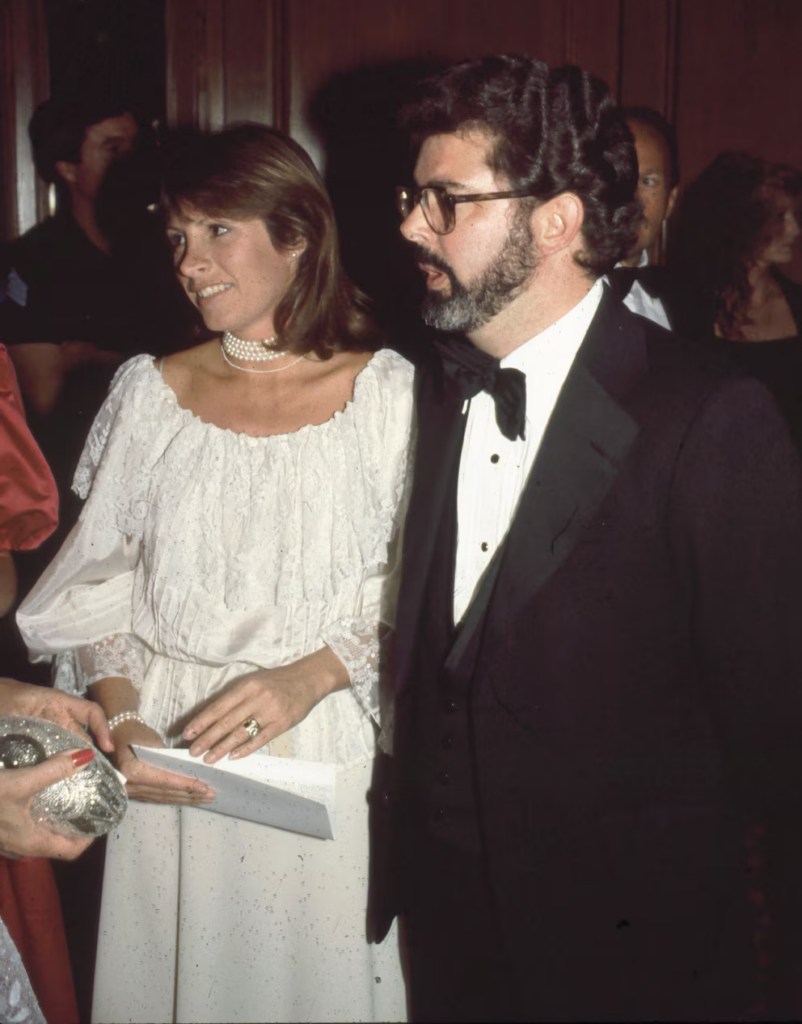
Her contribution to Star Wars was not merely technical. Editing gave rhythm, clarity and emotional force to a film that could have remained a strange space adventure without the human pulse that made it unforgettable. Lucas helped turn spectacle into story.
Her legacy also extends beyond one franchise. She worked on American Graffiti, Return of the Jedi and major films associated with the New Hollywood era, including collaborations connected to Martin Scorsese’s cinematic world. Her career belonged to a period when editors often saved, sharpened and redefined films from inside the shadows.
What makes her figure so important is the invisibility of

craft. Audiences remember characters, music, images and dialogue, but editing determines how those elements breathe. It decides when tension rises, when silence matters and when emotion finally lands.
In Star Wars, that invisible architecture became mythology. The final battle, the sense of urgency, the balance between adventure and vulnerability all depended on editorial decisions that gave the film its pulse. Marcia Lucas helped make the galaxy feel alive.

Her death also invites a broader recognition of women editors who shaped some of Hollywood’s most influential films while receiving far less public attention than directors and actors. Their work was structural, precise and often decisive.

Marcia Lucas leaves behind more than credits. She leaves a lesson about cinema itself: the heart of a movie is not always found in front of the camera. Sometimes it is built quietly, frame by frame, by the person who knows where the story must truly begin and end.
La narrativa también es poder. / Narrative is power too.