

 Phoenix 24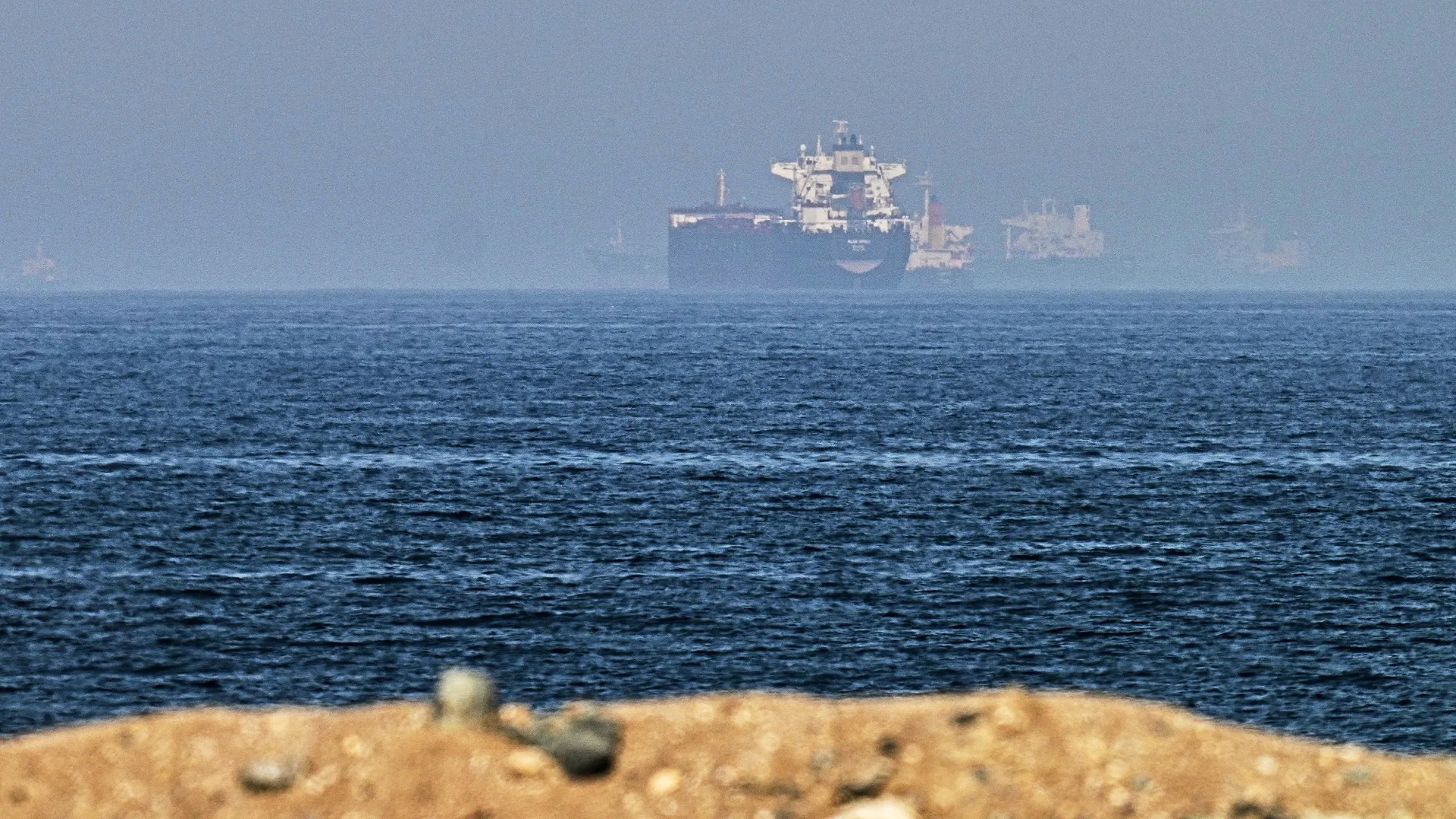
Energy security is becoming the region’s diplomatic pressure point.
Doha
Qatar is urging Iran to immediately reopen the Strait of Hormuz while intensifying diplomatic efforts to restart negotiations between Tehran and Washington. Qatari Foreign Ministry spokesperson Majed Al Ansari said officials are communicating with the parties every day, working alongside Pakistan and other regional actors to identify a path back to negotiations. Doha maintains that diplomacy remains the only viable route out of the current crisis and is calling on both sides to engage seriously with mediation efforts. The initiative places Qatar once again at the center of attempts to contain a confrontation with consequences far beyond the Middle East.
The Strait of Hormuz has become one of the most critical dimensions of the conflict because disruption there directly affects international energy markets and maritime security. Qatar, one of the world’s largest exporters of liquefied natural gas, depends heavily on freedom of navigation through the waterway to reach global customers. Doha has rejected the idea of negotiating a separate arrangement with Tehran to protect only its own energy shipments, arguing that the problem requires a regional solution. Its position effectively frames freedom of navigation as a collective security issue rather than a bilateral commercial concession.
Pakistan has simultaneously intensified its diplomatic role, with army chief Field Marshal Asim Munir holding high-level talks in Tehran as part of efforts to reduce tensions and revive negotiations. Pakistani officials have described those discussions as producing significant progress, although a comprehensive settlement remains uncertain. The diplomatic push is unfolding as Washington expands economic sanctions against Iran, increasing pressure on Tehran while intermediaries attempt to restore a negotiating channel. The combination of sanctions, military tension and mediation illustrates how economic and security instruments are operating simultaneously across the crisis.
Hormuz therefore represents much more than a maritime passage. It is a strategic chokepoint connecting Gulf energy producers with global markets and a pressure point capable of transmitting regional instability into energy prices, supply chains and economic expectations worldwide. Qatar’s insistence on restoring navigation to prewar conditions signals that Gulf states increasingly view prolonged disruption as a threat to their own strategic interests regardless of their individual relationships with Tehran or Washington. The struggle over Hormuz is becoming a test of whether regional diplomacy can prevent control of a narrow waterway from becoming leverage over the global economy.
Geopolitics, unmasked. / Geopolítica, sin maquillaje.