

 Phoenix 24
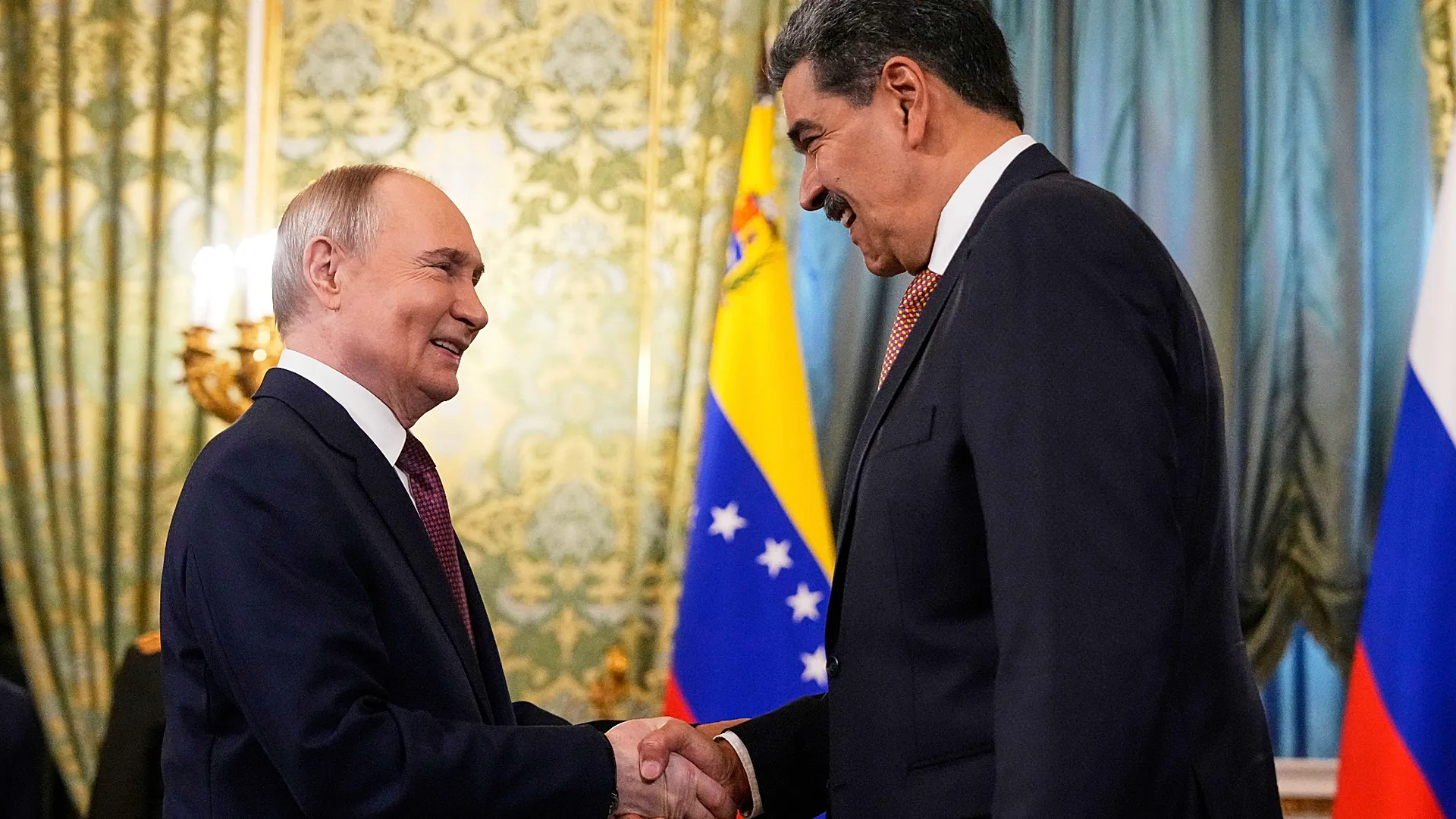
A discreet phone call between two presidents reshaped the geopolitical temperature across the hemisphere, revealing once again that Venezuela remains a strategic pressure point on the global map.
Moscow, December 2025. The communication between Vladimir Putin and Nicolás Maduro sent a calibrated signal through diplomatic channels, reaffirming that the Kremlin will not stand idle as tensions between Caracas and Washington intensify. According to diplomatic sources cited across international outlets, the Russian president expressed direct support for his Venezuelan counterpart at a moment when the United States has increased its military footprint in the Caribbean, a move interpreted in Moscow as an assertive attempt to squeeze the Maduro administration through maritime pressure.
Putin used the opportunity to stress that Russia’s relationship with Venezuela is neither symbolic nor circumstantial. Analysts in Latin America describe it as part of a larger geopolitical architecture in which Moscow seeks to sustain influence in the Western Hemisphere, leveraging US pressure to strengthen ties with governments that view Washington’s posture as intrusive. In Europe, security specialists aligned with institutions comparable to the CSIS note that Russia is employing a strategy of diversified diplomatic friction, projecting resilience across multiple theaters to counter sanctions and diplomatic isolation.
US intelligence agencies maintain that the Caracas Moscow nexus remains central to financial and energy operations designed to bypass Treasury restrictions. These assessments gained weight following the recent seizure of an oil tanker off Venezuela’s coast by US forces, an event Caracas classified as a violation of sovereignty. In that context, Russia’s pledge of support acts simultaneously as political reassurance for Maduro and as a veiled message to Washington that Moscow will remain a disruptive counterweight in the region.
In the Middle East, diplomats monitoring the emergence of alternative political blocs observe that Venezuela is increasingly integrated into a network of tactical partnerships involving Russia, Iran and other actors seeking to challenge Western dominance through coordinated military, technological and energy cooperation. Analysts in Asia, including voices from institutions aligned with the Seoul National Institute, argue that the Putin Maduro conversation reflects a broader pattern in which strategic alliances are being recalibrated worldwide amid shifting power dynamics.
The Venezuelan government celebrated the exchange, asserting that the call exemplifies growing international solidarity and undermines Washington’s attempts to destabilize the country. Opposition figures, however, contend that deepening ties with Moscow reinforce authoritarian drift and sideline domestic concerns by embedding Venezuela into the geopolitical ambitions of larger powers. Multilateral organizations continue to warn that the country’s internal crisis remains severe, turning any external intervention or diplomatic maneuver into a high impact variable for regional stability.
The episode underscores how the Russia Venezuela relationship remains a latent conflict node within the hemisphere’s strategic landscape. Putin’s call was far from mere protocol. It functions as a calibrated indicator of an increasingly tense global environment where traditional balances no longer provide predictable stability.
Phoenix24: clarity in the grey zone.
Phoenix24: claridad en la zona gris.